Prevention from Suicide, Addiction, Narcotics and Pollution. Withdrawal and Recovery Facts of Narcotics | Symptoms of Suicidal thoughts & Ideations | Effects of Environment Pollution | Understand Addiction withdrawal
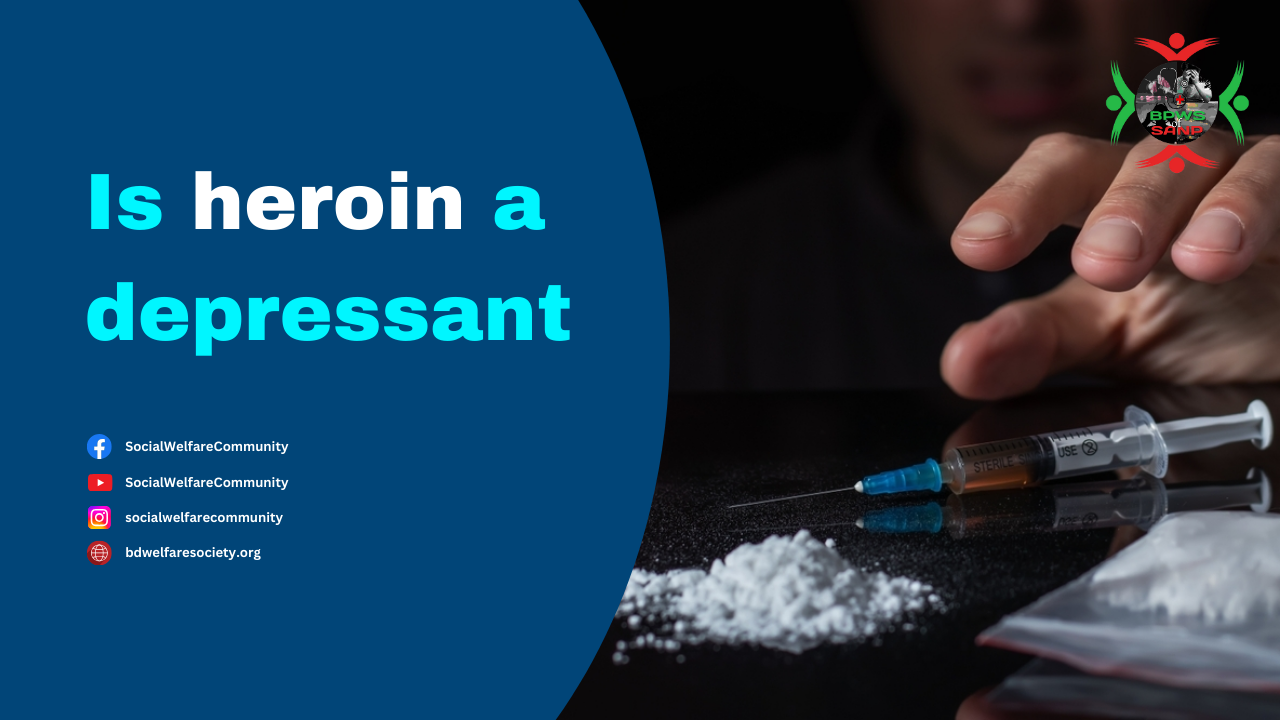 Heroin is a highly potent and highly addictive drug derived from morphine, a naturally occurring chemical found in the seed pods of some varieties of poppy plants. Heroin is an opioid medication that is most commonly known for producing intense feelings of euphoria as well as a pain-relieving effect. Many ask: Is heroin a depressant? Yes. Heroin is classified as a central nervous system (CNS) depressant, indicating it depresses brain and body functioning. This article examines how heroin acts as a depressant, how it affects the body, the risks involved with its use, and treatment for individuals with addiction.
What is a Depressant?
Depressants are drugs that reduce central nervous system activity. Depressants slow down brain activity, lower heart rate, lower blood pressure, and create a sense of relaxation or sleepiness. Alcohol, benzodiazepines (Valium and Xanax), and barbiturates are examples of depressants. Depressants are occasionally prescribed to alleviate anxiety, insomnia, or muscle tension. However, depressants are primary causes of severe health effects, addiction, and overdose when used illegally or in large quantities.
Why is Heroin Classified as a Depressant?
Heroin is a depressant since it influences the central nervous system to decelerate basic body operations directly. Upon consumption, heroin binds quickly with the opioid receptors in the brain to trigger the onset of the experience of enjoyment and relaxation for an instant rush. It slows down respiratory and cardiac functions, which can prove to be harmful at high dosages. Where stimulants lead to being awake and highly energized, heroin leads to sleepiness, drowsiness, and troubles with concentration.
Effects of Heroin on the Body
Heroin has short-term and long-term effects on the body. Understanding these effects can identify the dangers of heroin use and its depressant effect.
Short-Term Effects
The moment heroin is in the bloodstream, it rapidly crosses the blood-brain barrier, causing an immediate rush of euphoria. Other short-term effects include:
Sedation and Drowsiness: The user feels extremely relaxed or even semi-conscious.
Slowed Respiration (Respiratory Depression): A most dangerous side effect of heroin use. Slow to a life-threatening level in severe cases, leading to hypoxia or death.
Decreased Heart Rate and Blood Pressure: Heroin suppresses cardiovascular function, causing dizziness and syncope.
Nausea and Vomiting: Nausea and vomiting in some users, especially on initial use.
Dry Mouth and Pruritic Skin: Common reaction among heroin users.
Clouded Mental Function: Heroin affects cognitive functioning, causing impaired judgment, coordination, and confusion.
Euphoria and Relaxation: The initial high typically results in an overwhelming feeling of pleasure and relaxation.
Suppressed Cough Reflex: Heroin affects the brainstem, reducing the ability of the body to cough and clear airways.
Long-Term Effects
Chronic heroin use has devastating effects on the body and mind. Some of these include:
Physical Dependence and Addiction: The body develops heroin rapidly, leading to dependence and tolerance. Addiction follows, with the drug users finding it extremely difficult to abstain from the drug without experiencing extreme withdrawal symptoms.
Respiratory Issues: Chronic heroin use destroys lung function, increasing the risk of pneumonia and other respiratory diseases.
Brain Damage: Chronic use alters brain chemistry, affecting decision-making, impulse control, and mood.
Liver and Kidney Damage: Heroin ultimately leads to infections and organ failure as a result of prolonged use, particularly when injected using unsterilized needles.
Collapsed Veins and Infections: Intravenous injection may cause vein destruction, abscesses, and even life-threatening infections like endocarditis (heart infection) and sepsis.
Mental Health Disorders: Depressed mood, anxiety, and other mood disorders frequently occur in many heroin users.
Gastrointestinal Problems: Prolonged abuse of heroin has the potential to lead to severe constipation and other gastrointestinal disorders.
Weakened Immune System: Long-term consumption of heroin will weaken the immune system and make the body susceptible to diseases.
Hormonal Imbalance: Heroin is likely to disrupt the endocrine system of the body, thereby decreasing libido, inducing menstrual disorder, and making an individual infertile.
Chronic Insomnia: Heroin impacts normal sleep patterns in the long run, resulting in chronic insomnia.
Heroin Overdose and Its Risks
Due to heroin being such a potent depressant, overdose can easily happen, especially if large amounts are taken or with other drugs like alcohol or benzodiazepines. Signs of heroin overdose include:
- Deep depression of breathing (slow or absent breathing)
- Drowsiness or unresponsiveness
- Pinpoint pupils
- Blue-tinged skin, lips, or nails from a lack of oxygen
- Weak pulse or low blood pressure
- Loss of consciousness
- Choking or gurgling sounds
- Seizures or convulsions
Overdose is a medical emergency. Naloxone (Narcan), the opioid antagonist, can reverse heroin overdose if administered in time. Nevertheless, the assistance of trained medical professionals must be sought in order to prevent extended damage or death.
The Addictive Nature of Heroin
Heroin addiction occurs quickly due to its strong impact on the brain’s reward system. Regular use causes tolerance, and more doses are required to achieve the same result. The user experiences withdrawal symptoms when not under the influence of heroin, and it is difficult to stop. The withdrawal symptoms are:
- Strong cravings
- Muscle and bone pain
- Cold sweats and chills
- Nausea, vomiting, and diarrhea
- Insomnia and anxiety
- Restlessness and agitation
- Increased heart rate and blood pressure
- Abdominal cramping
- Depression and mood swings
- Hallucinations or paranoia in severe cases
Treatment of Heroin Addiction
Recovery from heroin addiction requires a total treatment regimen. Several options exist:
1. Medical Detoxification
Detox is the first step towards recovery from heroin addiction. It addresses withdrawal symptoms under medical supervision. Detoxification by itself does not cure addiction but makes the patient ready for long-term recovery programs.
2. Medication-Assisted Treatment (MAT)
There are some medications that reduce cravings and withdrawal symptoms:
- Methadone: A long-acting opioid taken to manage cravings and withdrawal.
- Buprenorphine (Suboxone): A partial agonist of the opioid, which is effective in blocking withdrawal symptoms without creating a high.
- Naltrexone: Blocks heroin effects and relapse.
- Clonidine: In selected situations, used to treat withdrawal symptoms.
3. Behavioral Therapies
Therapy and counseling are crucial in recovery. Cognitive-behavioral therapy (CBT) and contingency management help to change hazardous behavior and learn coping skills.
4. Support Groups and Rehabilitation Programs
Group support through groups like Narcotics Anonymous (NA) or inpatient treatment programs provides a structured environment for recovery.
5. Holistic Therapies
Alternative therapies like meditation, yoga, and art therapy are helpful in sustaining stress and emotions during recovery.
6. Aftercare and Relapse Prevention
Recovery needs to be sustained after treatment. Sober living, aftercare, and continuous therapy avoid relapse and maintain long-term sobriety.
Conclusion
Heroin is definitely a depressant as it has the ability to slow down the central nervous system, leading to sedation, respiratory depression, and impairment of cognitive functions. Though it causes temporary euphoria, the risk supersedes any potential benefit. Heroin addiction is fatal, but recovery can be successful with proper treatment and care. If you or your loved one is struggling with heroin use, speaking to a professional can be the beginning of a healthier, drug-free life. With diligence, treatment, and an engaged support group, recovery is achievable.
Frequently Asked Questions
- What are the effects of heroin on the body?
Heroin can cause drowsiness, slowed breathing, and a sense of euphoria. However, it also poses serious risks like respiratory depression, overdose, and long-term health issues. -
Why is heroin considered a depressant and not a stimulant?
Heroin is a depressant because it reduces brain activity and slows down bodily functions, unlike stimulants, which increase energy and alertness. -
Can heroin use lead to addiction?
Yes, heroin is highly addictive. Regular use can lead to physical dependence, withdrawal symptoms, and a strong psychological craving for the drug.