Prevention from Suicide, Addiction, Narcotics and Pollution. Withdrawal and Recovery Facts of Narcotics | Symptoms of Suicidal thoughts & Ideations | Effects of Environment Pollution | Understand Addiction withdrawal
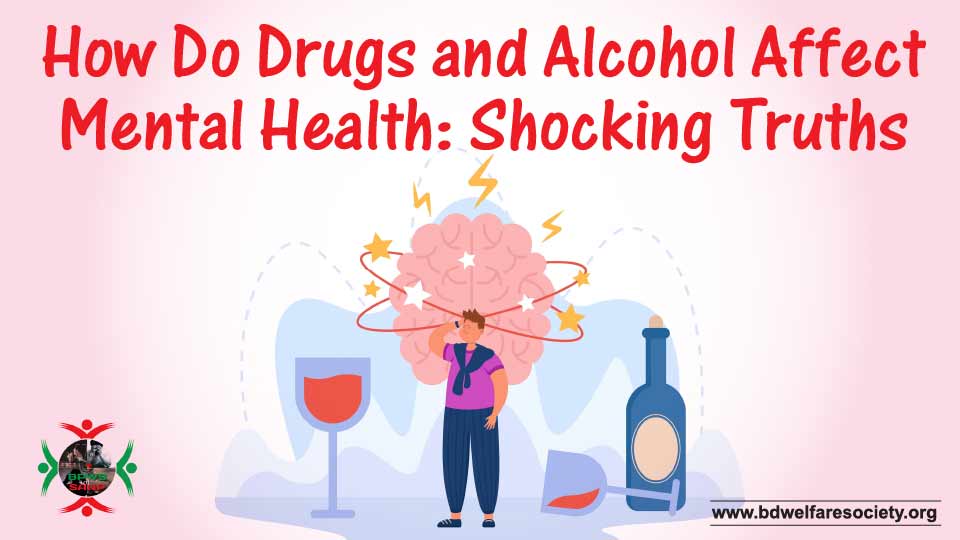
How do drugs and alcohol affect mental health by altering brain chemistry and increasing the risk of mental disorders. They exacerbate anxiety, depression, and other psychiatric conditions.
Substance abuse poses significant challenges to mental well-being. Many individuals turn to drugs and alcohol to cope with stress, but this often leads to a dangerous cycle. Drugs and alcohol disrupt neurotransmitter functions in the brain, leading to mood swings and cognitive impairments.
Over time, these substances can cause long-lasting damage to mental health. People with preexisting mental health issues are particularly vulnerable, as substance abuse can worsen their conditions. Recognizing and addressing the effects of drugs and alcohol on mental health is crucial for achieving overall well-being and stability.
Introduction To Substance Abuse
Substance abuse deeply affects mental health. Drugs and alcohol can change how the brain works. The use of these substances can lead to severe mental health issues. Understanding what substance abuse is and which substances are commonly abused can help in addressing this problem.
Defining Drugs And Alcohol
Drugs are chemicals that change the body’s function. They can affect the brain, mood, and behavior. Alcohol is a common legal drug that affects the central nervous system. It alters mood, thinking, and behavior.
Both drugs and alcohol can be addictive. Addiction means a person cannot stop using them. This leads to negative effects on mental health.

Common Substances Abused
Many substances are commonly abused. These can be legal or illegal. Here are some of the most common ones:
- Alcohol: A legal substance that can cause addiction and mental health problems.
- Marijuana: A drug that can alter mood and perception.
- Opioids: Pain-relief drugs that can be very addictive.
- Cocaine: A powerful stimulant that affects the brain’s reward system.
- Methamphetamine: A highly addictive stimulant that affects the central nervous system.
- Benzodiazepines: Medications that can cause dependence and affect mental health.
These substances can severely impact mental health. They can cause depression, anxiety, and other mental disorders. Knowing which substances are abused can help in recognizing and addressing addiction.
| Substance | Effect on Mental Health |
|---|---|
| Alcohol | Can cause depression and anxiety |
| Marijuana | Alters mood and perception |
| Opioids | Can lead to severe addiction |
| Cocaine | Affects brain’s reward system |
| Methamphetamine | Highly addictive, affects central nervous system |
| Benzodiazepines | Can cause dependence and mental health issues |
Impact On Brain Chemistry
Drugs and alcohol can change brain chemistry. These changes affect mental health. The brain uses chemicals called neurotransmitters to communicate. Substances can disrupt these chemicals, leading to mental health issues.
Neurotransmitter Disruption
Drugs and alcohol change neurotransmitter levels. These changes can cause mood swings. Substances like cocaine and alcohol affect dopamine. Dopamine controls pleasure and reward. When disrupted, it can lead to depression or anxiety.
Other substances affect serotonin. Serotonin helps regulate mood, sleep, and appetite. Drugs like ecstasy increase serotonin levels. Over time, this can lead to serotonin depletion and cause long-term mood disorders.
| Substance | Affected Neurotransmitter | Mental Health Impact |
|---|---|---|
| Alcohol | Dopamine | Depression |
| Cocaine | Dopamine | Anxiety |
| Ecstasy | Serotonin | Long-term Mood Disorders |
Long-term Brain Changes
Long-term use of drugs and alcohol can change brain structure. These changes can last even after stopping substance use. Chronic alcohol use can shrink brain regions. This affects memory and learning.
Substances like methamphetamine can damage brain cells. This damage can lead to cognitive deficits. Long-term use can reduce the brain’s ability to heal. This makes recovery harder.
- Memory loss
- Learning difficulties
- Reduced cognitive function
Maintaining mental health requires avoiding substance abuse. Healthy brain chemistry is crucial for well-being.
Mental Health Disorders
Drugs and alcohol can severely impact mental health. They can worsen or trigger mental health disorders. Below, we explore key disorders affected by substance abuse.

Anxiety And Depression
Anxiety and depression are common mental health issues. Drugs and alcohol can make these disorders worse.
- Anxiety: Substance abuse can increase anxiety symptoms.
- Depression: Alcohol and drugs often worsen depression.
Both anxiety and depression can lead to a vicious cycle. People often use substances to cope. This can create dependency and worsen mental health.
Bipolar Disorder
Bipolar disorder is another condition affected by substance use. This disorder includes extreme mood swings. These mood swings can be either manic or depressive.
| Manic Phase | Depressive Phase |
|---|---|
| Increased energy, restlessness | Low energy, sadness |
| Poor judgment, risky behavior | Lack of interest, hopelessness |
Substance abuse can trigger these phases. It can make symptoms more severe. It can also interfere with treatment.
Behavioral Changes
Drugs and alcohol can cause significant behavioral changes. These changes impact mental health. They influence how a person acts, feels, and interacts with others. Understanding these changes is crucial for addressing substance abuse and mental health issues.
Increased Aggression
Substance use often leads to increased aggression. People may become more irritable and quick to anger. This aggression can harm relationships and worsen mental health. It can also lead to violence and legal problems.
Aggression may come from changes in brain chemistry. Drugs and alcohol can alter neurotransmitters, which control mood and behavior. This can make a person more prone to aggressive outbursts.
| Substance | Effect on Aggression |
|---|---|
| Alcohol | Increases irritability and lowers inhibitions |
| Cocaine | Heightens aggressive behavior |
| Marijuana | Can lead to paranoia and aggressive actions |
Social Isolation
Social isolation is another significant behavioral change. Substance abuse often leads to withdrawal from social activities. This isolation can exacerbate mental health issues such as depression and anxiety.
People may isolate themselves to hide their substance use. They may also lose interest in activities they once enjoyed. This withdrawal can lead to loneliness and further mental health deterioration.
- Avoiding family gatherings
- Skipping social events
- Neglecting friendships
Isolation can create a vicious cycle. The more isolated a person becomes, the more they may turn to substances for comfort. This cycle can be difficult to break without intervention.
Cognitive Impairments
Drugs and alcohol can severely impact mental health. One major effect is cognitive impairments. These impairments can harm your ability to think, remember, and make decisions.
Memory Loss
Drugs and alcohol can cause significant memory loss. This occurs because these substances alter brain function. Short-term memory is often the first to suffer. You might forget recent events or conversations.
Long-term memory can also be affected. You may struggle to recall important past events. These memory issues can worsen over time with continued substance use.
Decision-making Issues
Substance abuse can lead to poor decision-making. Drugs and alcohol impair the prefrontal cortex. This part of the brain controls judgment and planning.
Under the influence, you might make risky or harmful choices. These choices can affect your health, relationships, and overall well-being.
| Impacts | Examples |
|---|---|
| Memory Loss | Forgetting conversations, losing track of time, struggling with past events |
| Decision-Making Issues | Risky behavior, poor judgment, impulsive actions |
Understanding these impacts can help in addressing substance abuse. Seek help if you notice these cognitive issues.

Credit: cpdonline.co.uk
Emotional Consequences
Drugs and alcohol change the way you feel. These substances can deeply affect your emotions. Understanding the emotional consequences is crucial. This can help in managing your mental health better.
Mood Swings
Mood swings become common with drug and alcohol use. One moment you feel happy, the next you feel sad. These rapid changes can confuse you. It also affects the people around you.
Substances like alcohol and drugs mess with brain chemicals. These chemicals control your mood. When they are altered, your mood changes too. You may feel extreme happiness or deep sadness. This instability can lead to more mental health issues.
Emotional Numbness
Emotional numbness is another serious effect. Drugs and alcohol can make you feel nothing at all. You may find it hard to feel happy or sad. This can make life seem dull and empty.
Feeling numb can be dangerous. It may lead to risky behavior. You might use more substances to feel something. This creates a harmful cycle. Breaking this cycle is very important for mental health.
| Emotion | Effect |
|---|---|
| Mood Swings | Rapid changes in mood |
| Emotional Numbness | Inability to feel emotions |
- Drugs and alcohol affect emotions.
- Mood swings and numbness are common effects.
- Understanding these can help manage mental health.
Physical Health Link
Drugs and alcohol don’t just harm your mind. They can also damage your body. This connection between physical and mental health is vital. Understanding it can help you see the bigger picture.

Chronic Diseases
Using drugs and alcohol can lead to chronic diseases. These can include heart disease, liver damage, and respiratory issues. Over time, these diseases can worsen. They can also cause permanent damage. Here are some common chronic diseases linked to substance abuse:
- Heart Disease: Drugs can increase heart rate and blood pressure.
- Liver Damage: Alcohol can cause liver cirrhosis.
- Lung Issues: Smoking drugs can damage lung tissues.
Immune System Weakening
Drugs and alcohol can also weaken your immune system. This makes it harder for your body to fight off infections. A weak immune system can lead to frequent illnesses. This can affect your daily life and mental well-being. Some effects on the immune system include:
- Increased Susceptibility to Infections: Your body gets sick more often.
- Slower Healing: Cuts and wounds take longer to heal.
- Chronic Infections: Some infections never fully go away.
Maintaining good physical health is crucial. It helps keep your mind healthy too. Avoiding drugs and alcohol can protect both body and mind.
Addiction And Dependency
Addiction and dependency on drugs and alcohol can severely impact mental health. Both terms often seem interchangeable, but they differ. Addiction refers to a chronic disease characterized by compulsive substance use despite harmful consequences. Dependency involves physical reliance on a substance, leading to withdrawal symptoms without it.
Signs Of Addiction
Recognizing the signs of addiction can help in early intervention. Common signs include:
- Strong urges to use the substance
- Neglecting responsibilities
- Increasing tolerance
- Withdrawal symptoms
- Continued use despite negative consequences
Cycle Of Dependency
The cycle of dependency often starts with experimentation. It then progresses to regular use, risky use, and finally addiction.
| Stage | Description |
|---|---|
| Experimentation | Trying the substance out of curiosity |
| Regular Use | Using the substance regularly in social settings |
| Risky Use | Using the substance in risky situations |
| Addiction | Compulsive need for the substance |
Breaking the cycle requires awareness, support, and professional help. Understanding the differences between addiction and dependency is crucial for effective treatment.
Impact On Relationships
Drugs and alcohol can have a devastating impact on relationships. They affect how people interact with their loved ones. This strain often results in broken bonds and emotional pain.

Family Dynamics
Substance abuse can tear families apart. Trust is often the first casualty. Parents abusing drugs may neglect or harm their children. Kids may feel unsafe and unloved. Spouses can lose faith in each other. Arguments become more frequent and intense. The home becomes a war zone instead of a safe haven.
Financial strain also impacts families. Money spent on drugs or alcohol can deplete savings. Bills go unpaid. Essentials like food and clothing become unaffordable. This financial instability adds to the stress.
Friendships And Social Circles
Friendships often suffer when drugs and alcohol are involved. Friends may feel neglected or used. Trust becomes a rare commodity. People may drift apart. Substance abuse can lead to risky behaviors. Friends may not want to be associated with such risks.
Social circles can shrink. Invitations to gatherings may dwindle. People don’t want the drama or unpredictability. Isolation becomes common. The person abusing substances may push others away. Their world becomes smaller and lonelier.
| Aspect | Impact |
|---|---|
| Trust | Severely damaged |
| Financial Stability | Often lost |
| Emotional Health | Negatively affected |
Credit: www.evokewaltham.com
Risk Of Self-harm
Drugs and alcohol can greatly impact mental health. One severe consequence is the increased risk of self-harm. People under the influence may hurt themselves intentionally. This behavior can be life-threatening.
Suicidal Tendencies
Substance abuse often leads to suicidal thoughts. Drugs and alcohol can cause depression. This makes people feel hopeless. Many turn to self-harm, believing it’s a way out. Studies show that many suicides are linked to substance use.
- Alcohol lowers inhibitions, making risky actions more likely.
- Drugs can cause intense mood swings, increasing suicidal urges.
Self-injurious Behavior
Self-injurious behavior includes cutting, burning, or hitting oneself. Drugs and alcohol often lead to this behavior. They numb the mind, making physical pain seem less real. People might hurt themselves to cope with emotional pain.
| Substance | Common Self-Injurious Behavior |
|---|---|
| Alcohol | Cutting, burning |
| Drugs | Hitting, scratching |
Understanding the risk of self-harm is crucial. It helps in seeking timely help. If you or someone you know is struggling, reach out for support.
Legal And Financial Consequences
Drugs and alcohol can lead to severe legal and financial consequences. These impacts extend beyond personal health, affecting various aspects of life. Understanding these consequences is crucial for recognizing the full scope of substance abuse’s harm.
Legal Issues
Substance abuse often leads to legal issues that can disrupt lives. Many substances are illegal, and possessing them can result in criminal charges. Even legal substances, like alcohol, can lead to legal trouble if misused.
Driving under the influence (DUI) is a common legal problem linked to alcohol and drugs. A DUI charge can lead to fines, jail time, and a revoked license. This can severely limit personal freedom and job opportunities.
Legal troubles don’t end with the first offense. Repeat offenses can lead to harsher penalties, including longer jail terms. These legal issues can also create a permanent criminal record, affecting future opportunities.
Financial Instability
Substance abuse also leads to financial instability. The cost of drugs and alcohol can quickly add up, draining savings. This can lead to debt and financial hardship.
Legal fees from drug-related charges can be very high. Hiring a lawyer, paying court fees, and dealing with fines can financially cripple a person. This financial strain often leads to further mental health issues.
Many people with substance abuse problems struggle to hold steady jobs. Frequent absences, poor performance, and legal troubles can result in job loss. This loss of income can make it difficult to pay for basic needs, increasing stress and anxiety.
Here is a table summarizing the legal and financial consequences:
| Category | Impact |
|---|---|
| Legal Issues | Criminal charges, DUI, Repeat offenses, Permanent record |
| Financial Instability | High cost of substances, Legal fees, Job loss, Debt |
Stigma And Discrimination
Stigma and discrimination can deeply affect individuals struggling with drugs and alcohol. These negative attitudes can lead to a cycle of shame and isolation. Understanding the different aspects of this issue is crucial.
Social Stigma
Social stigma is a major challenge for those dealing with substance abuse. People may judge or avoid them, thinking they are morally weak or dangerous. This can lead to feelings of loneliness and depression.
- Stigma often comes from a lack of understanding.
- People may feel embarrassed to seek help.
- Stigma can make mental health issues worse.
Impact On Employment
Employment prospects are often affected by substance abuse stigma. Employers may hesitate to hire someone with a history of drug or alcohol use. This can make it hard to find or keep a job.
| Issue | Impact |
|---|---|
| Job Applications | May be rejected due to past substance use. |
| Work Environment | May face discrimination from colleagues. |
| Career Growth | Limited opportunities for advancement. |
Breaking down stigma and discrimination is vital. This can help those affected to seek treatment and improve their mental health.
Treatment Options
Understanding the impact of drugs and alcohol on mental health is crucial. Effective treatment options can help individuals regain control. Here are some key treatment methods that can make a significant difference.
Therapy And Counseling
Therapy and counseling are essential parts of treatment. They help individuals understand their addiction. Therapy can uncover the root causes of substance abuse. Various types of therapy are available:
- Cognitive Behavioral Therapy (CBT): Focuses on changing negative thought patterns.
- Dialectical Behavior Therapy (DBT): Helps manage emotions and reduce self-destructive behaviors.
- Motivational Interviewing (MI): Encourages individuals to find their own motivation to change.
Therapists work with individuals to develop coping strategies. They also provide support to handle triggers and stressors.
Rehabilitation Programs
Rehabilitation programs offer structured environments for recovery. These programs provide medical and emotional support. There are different types of rehab programs:
| Type | Description |
|---|---|
| Inpatient Rehab | 24/7 care in a residential facility. |
| Outpatient Rehab | Flexible treatment while living at home. |
| Partial Hospitalization | Day programs with intensive treatment. |
Rehabilitation programs often include therapy, medical care, and support groups. They focus on providing a holistic approach to recovery.
Prevention Strategies
Preventing the negative impact of drugs and alcohol on mental health is essential. Implementing effective strategies can reduce the risk and foster a healthier community. Below are some key approaches to prevention.
Education And Awareness
Education and awareness play a critical role in prevention. Informing people about the dangers of drugs and alcohol can make a significant difference. Schools, workplaces, and community centers can host workshops and seminars.
- Provide information on the mental health effects of substance abuse.
- Share personal stories of recovery and resilience.
- Promote the benefits of a healthy lifestyle.
Educational materials should be accessible and straightforward. Use visual aids and engaging content to capture attention. Consistent messaging helps reinforce the importance of making safe choices.
Community Support
Community support is vital in preventing substance abuse and promoting mental health. Building a network of supportive relationships can provide strength and encouragement.
| Type of Support | Benefits |
|---|---|
| Peer Support Groups | Shared experiences and mutual encouragement. |
| Family Involvement | Strong family ties and open communication. |
| Professional Counseling | Guidance from trained mental health professionals. |
Community events and activities can foster a sense of belonging. Encourage participation in sports, arts, and volunteer work. These activities can keep individuals engaged and away from harmful substances.
Conclusion And Future Outlook
The effects of drugs and alcohol on mental health are profound. They can lead to severe mental health issues. Understanding these effects is crucial for both prevention and treatment.
Need For Further Research
There is still a lot to learn about the link between drugs, alcohol, and mental health. Current studies show a strong connection, but more detailed research is necessary. This research should focus on:
- Long-term impacts of substance abuse on mental health.
- The role of genetics in developing addiction and mental health issues.
- Effective treatment methods for those with dual diagnoses.
Understanding these areas can lead to better prevention and treatment strategies.
Hope For Recovery
Recovery from addiction and mental health issues is possible. Many people find success through therapy and support groups. Key steps for recovery include:
- Seeking professional help as soon as possible.
- Joining a support group for shared experiences and advice.
- Maintaining a healthy lifestyle with proper diet and exercise.
With the right support and treatment, individuals can regain control of their lives. There is always hope for a better future.
Frequently Asked Questions
How Does Alcohol Affect Mental Problems?
Alcohol can worsen mental health issues like depression and anxiety. It disrupts brain function, leading to mood swings. Regular use increases the risk of developing mental disorders.
How Does Drugs Affect You Mentally?
Drugs can alter mood, perception, and behavior. They may cause anxiety, depression, paranoia, and cognitive impairment. Long-term use can lead to addiction and mental health disorders.
How Do Drugs And Alcohol Cause Anxiety?
Drugs and alcohol can disrupt brain chemistry, leading to increased anxiety. They affect neurotransmitter balance, causing mood swings and stress.
How Does Alcohol And Drugs Affect Brain Development?
Alcohol and drugs disrupt brain development. They impair cognitive functions, memory, and decision-making. Exposure during adolescence can cause long-term damage. These substances alter brain chemistry, leading to addiction and mental health issues. Avoiding alcohol and drugs supports healthy brain growth.
Conclusion
Understanding the impact of drugs and alcohol on mental health is crucial. These substances can worsen mental health issues. Prioritizing mental well-being and seeking help can lead to a healthier life. Awareness and education are key. Choose a path of sobriety for improved mental health and overall well-being.