Prevention from Suicide, Addiction, Narcotics and Pollution. Withdrawal and Recovery Facts of Narcotics | Symptoms of Suicidal thoughts & Ideations | Effects of Environment Pollution | Understand Addiction withdrawal
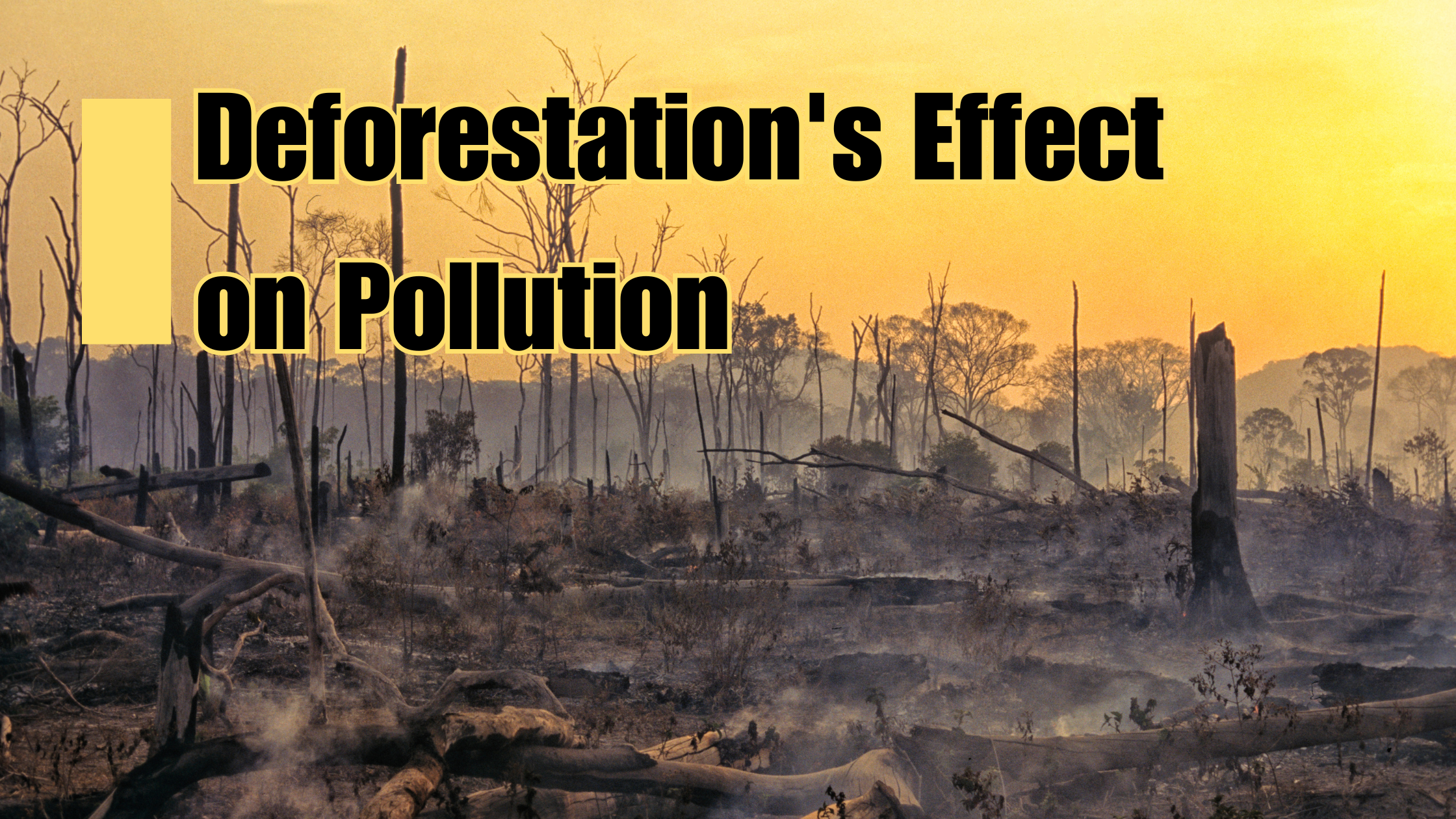
Deforestation, the process of clearing or removing forests or trees, has profound consequences on various aspects of the environment. One of the critical impacts is its effect on pollution, which extends across air, water, and soil. This article explores the intricate relationship between deforestation and pollution, delving into causes, effects, and potential solutions.
Introduction
Deforestation, a widespread environmental issue, refers to the permanent removal of forests for various purposes, including agricultural expansion, urbanization, and timber extraction. Simultaneously, pollution, particularly air and water pollution, poses significant challenges to human health and ecological well-being. The correlation between deforestation and pollution lies in the alteration of natural ecosystems, which disrupts the balance of ecological processes.
Causes of Deforestation
Logging and Timber Extraction
Commercial logging for timber and wood products is a primary driver of deforestation globally. Large-scale logging operations often clear vast areas of forests, leading to habitat loss and fragmentation.
Agricultural Expansion
The conversion of forests into agricultural land, predominantly for crop cultivation and livestock grazing, contributes significantly to deforestation. Clearing forests for agriculture disrupts ecosystems and leads to soil degradation.
Urbanization and Infrastructure Development
Rapid urbanization and the expansion of infrastructure, such as roads, highways, and settlements, necessitate clearing forests to accommodate human activities. Urban sprawl encroaches upon natural habitats, diminishing biodiversity and increasing pollution.
Impact of Deforestation on Air Quality
Deforestation has profound implications for air quality, primarily through the release of greenhouse gases (GHGs) and particulate matter.
Release of Greenhouse Gases
The removal of trees reduces the Earth’s capacity to absorb carbon dioxide (CO2) from the atmosphere, leading to increased concentrations of GHGs. Deforestation contributes significantly to global warming and climate change.
Increase in Particulate Matter
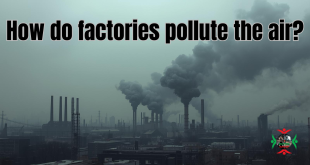
Deforestation results in the release of particulate matter into the atmosphere, primarily from burning forest biomass. These particles contribute to air pollution, respiratory illnesses, and reduced visibility.
Disruption of Natural Carbon Sinks
Forests act as crucial carbon sinks, absorbing CO2 from the atmosphere and storing it in biomass and soil. Deforestation disrupts this natural process, exacerbating the accumulation of CO2 in the atmosphere.
Impact of Deforestation on Water Quality
Deforestation adversely affects water quality through soil erosion, runoff pollution, and disruption of aquatic ecosystems.
Soil Erosion and Sedimentation
The removal of vegetation cover increases soil erosion, leading to sedimentation in rivers, lakes, and other water bodies. Sediment-laden water negatively impacts aquatic habitats and reduces water quality.
Runoff Pollution
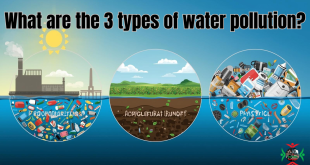
Deforestation intensifies surface runoff, carrying pollutants such as fertilizers, pesticides, and sediment into waterways. This runoff pollution poses risks to aquatic life and human health.
Disruption of Aquatic Ecosystems
Deforestation alters hydrological patterns and reduces water availability, affecting aquatic ecosystems’ health and biodiversity. Loss of riparian forests contributes to habitat degradation and species decline.
Impact of Deforestation on Climate Change
Deforestation plays a significant role in climate change, influencing both local and global climates.
Alteration of Local and Global Climates
The removal of forests alters local climates by reducing evapotranspiration, increasing surface temperatures, and disrupting precipitation patterns. At a global scale, deforestation contributes to climate change by releasing stored carbon and reducing carbon sequestration.
Feedback Loops Exacerbating Warming Trends
Deforestation triggers feedback loops that amplify warming trends, such as the albedo effect and changes in atmospheric circulation patterns. These feedback mechanisms further accelerate climate change, leading to adverse impacts on ecosystems and societies.
Effects on Biodiversity
Deforestation poses a grave threat to biodiversity, resulting in habitat loss, species extinction, and ecological imbalances.
Loss of Habitat and Species Extinction
The destruction of forests deprives countless plant and animal species of their habitats, pushing them towards extinction. Deforestation is a leading cause of biodiversity loss worldwide, threatening ecosystems’ resilience and stability.
Disruption of Ecological Balance
Forests play a crucial role in maintaining ecological balance by regulating nutrient cycles, supporting pollination, and providing habitat for diverse species. Deforestation disrupts these ecological processes, leading to cascading effects on ecosystem dynamics and functioning.
Human Health Implications
Deforestation and associated pollution have significant implications for human health, ranging from respiratory issues to waterborne diseases.
Respiratory Issues
Air pollution resulting from deforestation contributes to respiratory illnesses such as asthma, bronchitis, and chronic obstructive pulmonary disease (COPD). Particulate matter and air pollutants can penetrate deep into the lungs, causing inflammation and respiratory distress.
Waterborne Diseases
Polluted runoff from deforested areas contaminates water sources, increasing the risk of waterborne diseases such as cholera, dysentery, and giardiasis. Poor water quality compromises public health, particularly in communities dependent on freshwater resources.
Mental Health Impacts
The degradation of natural landscapes due to deforestation can have adverse effects on mental health and well-being. Loss of access to green spaces and natural environments can contribute to stress, anxiety, and depression among individuals.
Solutions to Combat Deforestation and Pollution
Addressing deforestation and pollution requires a multifaceted approach, including reforestation, sustainable land management, and policy interventions.
Reforestation and Afforestation
Replanting trees in deforested areas and establishing new forests through afforestation can help mitigate the impacts of deforestation on pollution. Reforestation projects enhance carbon sequestration, improve air and water quality, and restore ecosystem services.
Sustainable Land Management Practices
Implementing sustainable land management practices, such as agroforestry, conservation agriculture, and watershed management, promotes ecosystem resilience and reduces pollution. Integrating trees into agricultural landscapes can enhance soil fertility, mitigate erosion, and enhance water quality.
Policy Interventions and Regulations
Enacting and enforcing policies to protect forests, regulate land use, and promote sustainable development is essential for combating deforestation and pollution. Government interventions, such as implementing land-use planning, establishing protected areas, and incentivizing sustainable forestry practices, can help mitigate deforestation and its associated pollution. International agreements and initiatives, such as REDD+ (Reducing Emissions from Deforestation and Forest Degradation), provide frameworks for cooperation and financial support to combat deforestation at a global scale.
Conclusion
Deforestation’s effect on pollution is multifaceted and far-reaching, impacting air quality, water quality, climate change, biodiversity, and human health. Addressing deforestation requires concerted efforts to promote sustainable land management, reforestation, and policy interventions. By mitigating deforestation and its associated pollution, we can safeguard ecosystems, protect biodiversity, and improve the well-being of both humans and the planet.
References:
-
-
- Achard, F., Beuchle, R., Mayaux, P., Stibig, H. J., Bodart, C., Brink, A., … & Simonetti, D. (2014). Determination of tropical deforestation rates and related carbon losses from 1990 to 2010. Global Change Biology, 20(8), 2540-2554.
- Curtis, P. G., Slay, C. M., Harris, N. L., Tyukavina, A., & Hansen, M. C. (2018). Classifying drivers of global forest loss. Science, 361(6407), 1108-1111.
- FAO. (2020). The State of the World’s Forests 2020. Forests, biodiversity and people – In brief. Food and Agriculture Organization of the United Nations.
- IPCC. (2019). Climate Change and Land: an IPCC special report on climate change, desertification, land degradation, sustainable land management, food security, and greenhouse gas fluxes in terrestrial ecosystems. Intergovernmental Panel on Climate Change.
- Myers, N., Mittermeier, R. A., Mittermeier, C. G., da Fonseca, G. A. B., & Kent, J. (2000). Biodiversity hotspots for conservation priorities. Nature, 403(6772), 853-858.
- Nepstad, D., McGrath, D., Stickler, C., Alencar, A., Azevedo, A., Swette, B., … & Armijo, E. (2014). Slowing Amazon deforestation through public policy and interventions in beef and soy supply chains. Science, 344(6188), 1118-1123.
- United Nations. (2018). World Urbanization Prospects: The 2018 Revision. Department of Economic and Social Affairs, Population Division.
- WHO. (2018). Ambient (outdoor) air pollution. World Health Organization.
- WWF. (2020). Deforestation. World Wildlife Fund.
- Zahawi, R. A., & Augspurger, C. K. (2006). Tropical forest restoration: tree islands as recruitment foci in degraded lands of Honduras. Ecological Applications, 16(2), 464-478.
-