Prevention from Suicide, Addiction, Narcotics and Pollution. Withdrawal and Recovery Facts of Narcotics | Symptoms of Suicidal thoughts & Ideations | Effects of Environment Pollution | Understand Addiction withdrawal
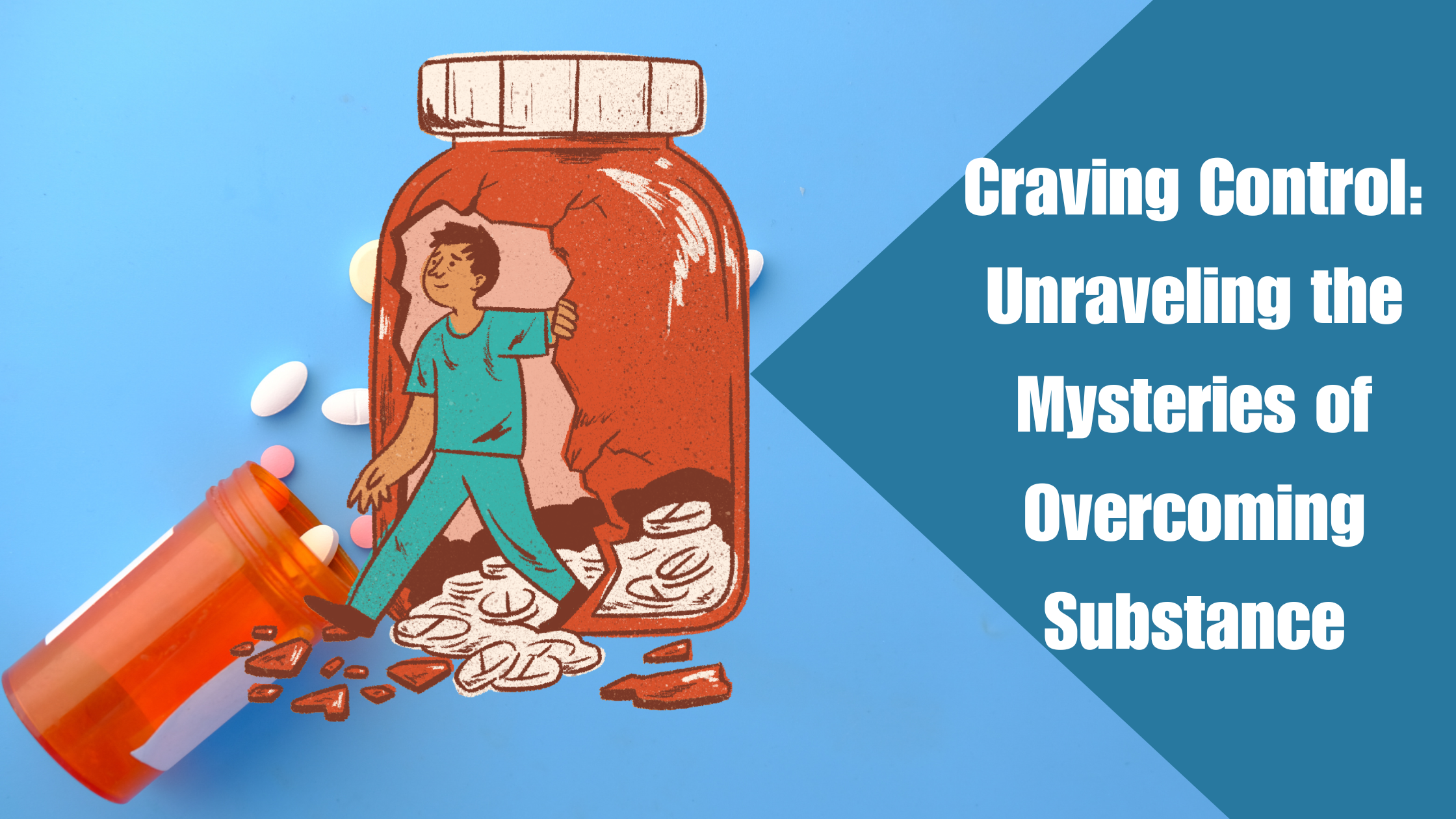
Strong cravings have the potential to push people down paths toward addiction and dependency. Knowing how to recognize and control these cravings is crucial to beating addiction, whether the substance is something like alcohol or drugs or the behaviour is something like gambling or overeating. This extensive guide will examine the science underlying cravings, their effects on behaviour, and practical methods for overcoming them.
Understanding Cravings:
Nuerothelial circuits, hormones, and neurotransmitters interact intricately in the brain to cause cravings. A major factor in the experience of cravings is the reward system of the brain, specifically the mesolimbic dopamine pathway. The brain’s reward system is triggered by various stimuli, including stress, environmental cues, or even the sight or smell of an addictive substance.
Dopamine is released due to this activation; it is a neurotransmitter linked to reinforcement and pleasure. The dopamine surge produces a strong desire to repeat the behaviour or consume the substance that triggered it. Repeated exposure to drugs or behaviours over time can cause neuroadaptation, a condition in which the brain loses its dopamine sensitivity. To get the same level of pleasure, this means taking larger doses of the drug or engaging in the behaviour more frequently, which eventually builds tolerance and dependence.
Impact on Behavior:
Strong desires during cravings have the power to override logical thought processes, causing people to put their cravings ahead of other obligations or worries. Serious repercussions, such as poor decision-making, strained relationships, trouble with money, and negative health effects, may result.
It is also difficult for people to escape the clutches of addiction because the cycle of cravings, consumption, and fleeting solace feeds the addiction. It is, therefore, essential to identify and deal with cravings to start and maintain recovery efforts.
Five Strategies for Conquering Cravings:
1. Identify Triggers:
Identifying the circumstances, feelings, or ideas that set off cravings is the first step in overcoming them. Maintain a journal to record when cravings happen and what happened before them. This will help you spot trends and create coping mechanisms or avoid triggers. Stress, boredom, social settings, or particular environmental cues are common triggers.
2. Develop Coping Skills:
Create healthy coping strategies to deal with stress, anxiety, and other emotional triggers rather than giving in to cravings. This could entail exercising mindfully or asking friends, family, or a therapist for support. Long-term recovery requires the ability to control emotions and tolerate discomfort without turning to substance abuse or addictive behaviours.
3. Distract Yourself:
When cravings hit, use mentally and physically stimulating activities to divert your attention. Craving Control could entail engaging in hobbies, working out, or hanging out with friends. You can lessen your intensity and duration by turning your attention away from the craving. Enjoyable or fulfilling activities can also improve mood and give a sense of fulfilment, which lessens the need to turn to addictive behaviours for short-term solace.
4. Practice Mindfulness:
You can ride out cravings without giving in to them by practising mindfulness techniques like progressive muscle relaxation, deep breathing, or meditation. Craving Control techniques can help you stay in the present moment. Self-awareness and resilience can be achieved by observing your thoughts and feelings. It has been demonstrated that mindfulness techniques lessen stress, anxiety, and cravings, which makes them useful tools in the treatment of addiction.
5. Seek Professional Help:
If your attempts to curb cravings are unsuccessful, don’t be afraid to consult a professional. A licensed therapist or counsellor can offer you individualized techniques and encouragement to help you overcome cravings and overcome obstacles in your recovery. Craving Control motivational interviewing, cognitive-behavioural therapy (CBT), and other evidence-based techniques can assist in pinpointing underlying triggers and creating useful coping mechanisms. To lessen cravings and withdrawal symptoms, medication-assisted treatment, or MAT, may also be suggested for specific substance use disorders.
Resources:
- American Psychological Association (APA): www.apa.org
- National Alliance on Mental Illness (NAMI): www.nami.org
- National Suicide Prevention Lifeline: www.suicidepreventionlifeline.org