Prevention from Suicide, Addiction, Narcotics and Pollution. Withdrawal and Recovery Facts of Narcotics | Symptoms of Suicidal thoughts & Ideations | Effects of Environment Pollution | Understand Addiction withdrawal
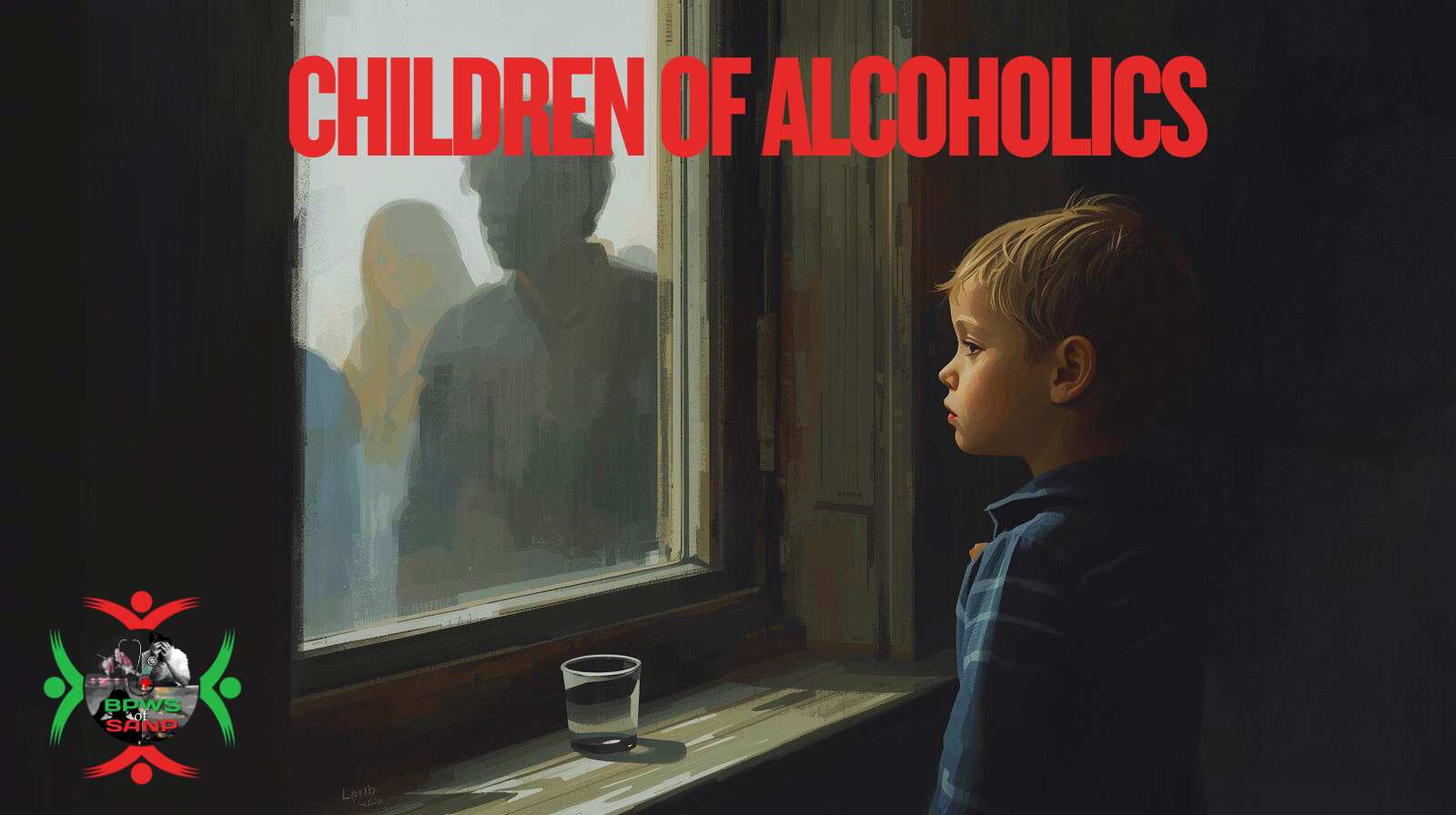
Children of Alcoholics: Healing from a Difficult Past
A child who grows up in a home that shares this disease also carries invisible scars. These children of Alcoholics, or COAs, experience a childhood built on instability, unpredictability and emotional chaos. A parent’s drinking problem has consequences that rip through well beyond the immediate family chaos and can have lasting effects on a child’s development, relationships, sense of self well into adulthood.
Though every family has its own story, there are threads that run through the stories of millions of COAs. Recognizing these patterns is the first step to healing and breaking the cycle. In this post, we will go over what life is like for the adult children of alcoholics, the long-lasting impact that it has and what they can do to build a better future through recovery.
Understanding the Family Dynamic
One of the things often found in a family with an alcoholic parent is that there’s a whole set of unspoken rules and regulations to keep the underground operation on firm ground. It’s a confusing and stress-inducing dynamic in which the child’s emotional needs are often not met.
Secrecy and Denial
One of the hallmarks of an alcoholic family is a deeply embedded pattern of secrecy and denial. Families get taught to act like things are normal, even though they obviously aren’t. And ironically, the parent’s alcohol issue becomes what my therapist likes to call “the elephant in the room;” everyone knows it’s there, but no one talks about it. This tacit rule trains kids not to believe their perceptions and emotions. They witness their parent’s addiction but are informed that they are inventing or exaggerating, often to deny facing what is happening in front of their face. This denial is self-preserving, but it separates relatives and keeps them from reaching out.
Unpredictability and Inconsistency
Life with an alcoholic parent is tumultuous and chaotic. The mood and conduct of the parent can vary widely according to whether he or she is drinking, sober or hung over. One day, a child may have a loving and attentive parent; the next they could be responding to an angry, neglectful or abusive one. This lack of reliability and consistency doesn’t allow a child to feel safe. They learn to be hypervigilant, always on the lookout for what the parent might do next. This condition of chronic hypervigilance or a sustained state of increased alertness can get hardwired into their personality.
Enabling and Codependency
One parent can inadvertently enable another to drink. An enabler excuses the alcoholic’s behavior, cleans up their messes, and protects them from their own behaviour. That could include calling in sick for the parent, paying their bills or lying to friends and relatives. Commonly out of love and attempts to keep the peace, enabling makes letting go of the addiction impossible.
This relationship can result in codependency, as the life of the non-alcoholic parent revolves around managing the alcoholic parent’s behavior. Kids in these homes may also become codependent and learn to keep prioritizing their parent’s needs above their own.
Common Challenges Faced by COAs
Growing up in such an environment forces children to adopt survival roles that help them cope. These roles, first identified by therapist Sharon Wegscheider-Cruse, include:
- The Hero: Typically the oldest, the hero is a high-achiever who puts effort into making their family look perfect. They are sensible, successful and strive for a measure of order within the chaos. But they frequently carry a sense of inferiority and fear of failure.
- The Scapegoat: This is the child that everything is blamed on in the family. They misbehave, run into problems and otherwise divert the negative focus from the alcoholic parent. Their actions are not cries for help, but rather, they are labeled as the problem child.
- The Lost Child: This child remains invisible for coping. They are silent and withdrawn, and they spend a great deal of time alone. They come to understand not to make a fuss or express any need, setting aside their needs and feelings so as not to further burden the family.
- The Mascot: The team mascot uses humor and charm to lighten the mood. They are the jester, ever quick with a joke to amuse others. Not what you were expecting? As carefree as they seem, free-spirited people aren’t completely immune to insecurity.
These are coping mechanisms, but they can also inhibit the ability of children to develop an authentic self.
Long-Term Impacts on Adult Children of Alcoholics
For the child who has grown up with an alcoholic parent, it doesn’t end once that child is too old to live at home. The experiences that an endless love child has with their alcoholic parent is taken with them into the real world and translated in an array of ways and may include:
- Problems in Relationships: Adult children of alcoholics have a hard time creating solid, healthy relationships. Having recognized they could not rely on it, they may have difficulty with intimacy, and fear being abandoned. They may seek out chaotic or abusive relationships that mirror their family patterns.
- Low Self-Esteem: Having been in a household where their needs were not primary, many ACOAs believe there is something wrong with them. Although they might appear self-depreciating, they usually require a great deal of approval from others.
- Anxiety and Depression: The repetitive stress and emotional strain of childhood can lead to long-term anxiety or depression in adulthood.
- Control Issues: Growing up in a home out of control, many ACOAs have an exaggerated need to control themselves and the environment around them. They might struggle to be as fun and spontaneous or flexible.
- Greater Likelihood of Becoming Addicted: Research indicates that children of alcoholics are four times as likely as other people to become an alcoholic. This is a complex interplay of genetics and the environment.
Pathways to Healing and Recovery
Healing is possible even in these conditions. Adult children of alcoholics can be free from the legacy of their past and build satisfying lives. There are some humps to conquer on the road to recovery.
Acknowledging the Past
Step 1 is to recognize the direct effect a parent’s alcoholism has had on your own life. It is breaking the rule of silence and saying, “My childhood wasn’t normal.” It is painful to face these truths, but it’s part of the healing process.
Seeking Support
You don’t have to do this alone. Support groups and therapy offer a safe place to acknowledge your experiences, with peers who know what you have endured.
- Al-Anon/Alateen: Support groups for relatives and friends of alcoholics. Alateen is for young people rebuilding their lives after discovering that a friend or relative has a drinking problem.
- Adult Children of Alcoholics (ACA/ACOA): This is a 12 step program geared toward adults who grew up in alcoholic or otherwise dysfunctional homes.
- Therapy: Have a therapist who is well versed in addiction and family dynamics help you see and process the issues related to your childhood. Cognitive-behavioral therapy (CBT) has been known to be especially effective in altering negative ways of thinking.
Developing Self-Compassion
Learn to be kind to yourself. Also, do note that the survival skills you learned as a child may or may not be helping you any longer, but they helped you out in a tough time. Take care of yourself and establish healthy boundaries, it’s okay to feel your feelings.
A Healthier Future is Possible
To be the child of an alcoholic is a heavy weight to bear, yet it doesn’t have to live with you forever. You can escape the patterns of the past if you know what they are and get support to care for you. The journey is not without challenge, but it’s a future where you are the author of your life story – one that is hopeful, healthy and happy.