Prevention from Suicide, Addiction, Narcotics and Pollution. Withdrawal and Recovery Facts of Narcotics | Symptoms of Suicidal thoughts & Ideations | Effects of Environment Pollution | Understand Addiction withdrawal
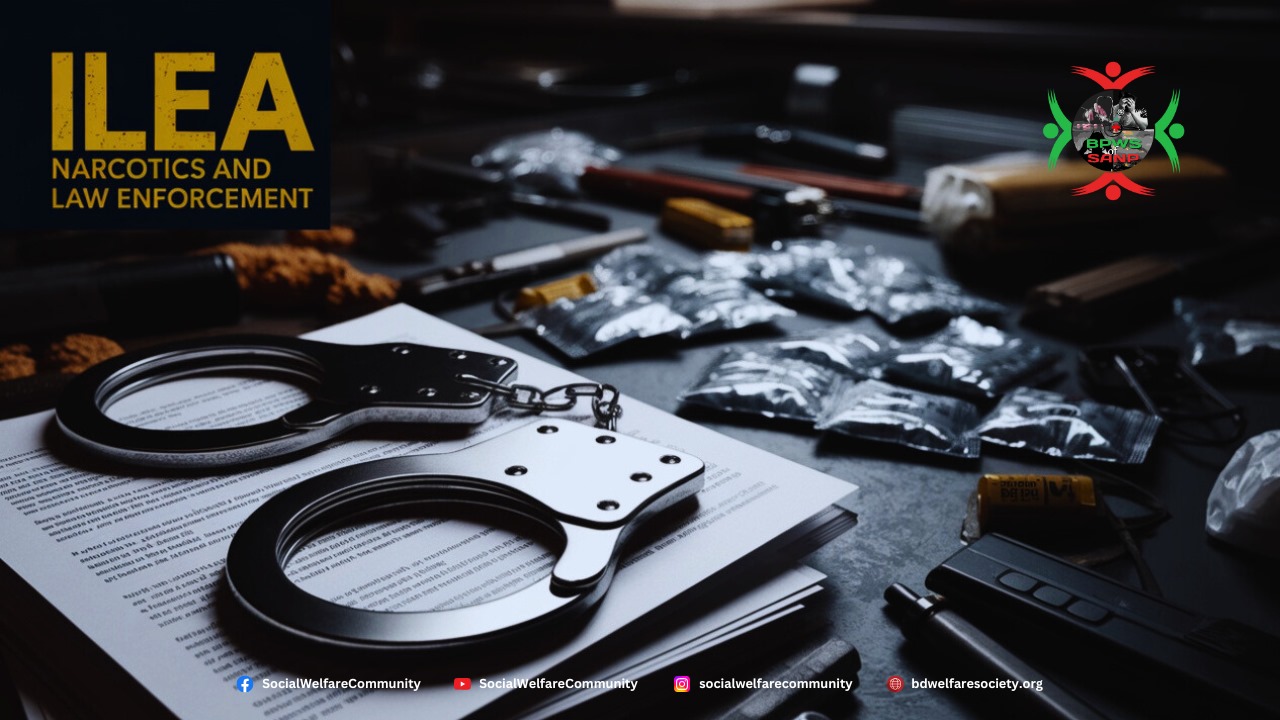 The problem of the illicit drug trade and its impact on society is one that exists the world over, and Ilea is no different. We visit with the responders who bring order to chaos, not just of criminal activity but of community too — as narcotics became more widespread, so did their effects. This means that for law enforcement in Ilea, tackling these challenges has meant a holistic approach to controlling drug supply, policing those who commit drug-related crime and addressing the social ills that arise from substance abuse. This article delves into the history of ilea narcotics and law enforcement, current trends, measures undertaken by law enforcement, community involvement, and the future of the narcotics landscape in the region.
A Short History of Narcotics in Ilea
Historical trends provide insight into the ilea narcotics and law enforcement crisis. As with many places, Ilea was introduced to drugs through their medical and recreational use. But by the mid-20th century, drugs like cannabis, opium and cocaine went from casual or medicinal use to the underworld.
By the 1980s, illegal use of narcotics was reaching alarming levels, spurred by expanding global trading networks and local economic conditions. Trafficking organizations took advantage of the weaknesses along Ilea’s borders, and the region became a critical pipeline for major drug routes. This change occurred during a time of increasing addiction rates amongst the population as well as an upswing in drug-related crime.
During the later part of the 20th century, Ilea’s government took sporadic actions against narcotics, almost exclusively with reactive policing approaches. But their effort was ultimately insufficient, since law enforcement was not yet integrated and had neither the resources nor coordination necessary to beat back the wave of drug spread. This era also spawned social stigmas around drug addiction that often interfered with efforts to treat those afflicted.
Drug Trends in Ilea
Ilea’s recreational drugs scene today is vastly more complicated. A mix of globalization, technological progress and evolving consumer habits among drug users has contributed to a new set of challenges for the region.
Emergence of Synthetic Drugs
Methamphetamines, fentanyl and other lab-made drugs are worrisome trends in Ilea. Not only are these drugs many times more potent, they are also cheaper to produce, making them hugely appealing to traffickers. The underground markets have been flooded with synthetic narcotics, creating a public health crisis with soaring rates of overdose.
Digital Black Markets
The advent of digital technology has also opened up a new front with drug trafficking in Ilea. Encrypted communications platforms and dark net networks enable traffickers to work with almost total anonymity. Buyers and sellers can now transact in cryptocurrencies, making it more difficult to track illicit financial activity.
Shifting Demographics of Substance Use
Young people on Ilea are increasingly experimenting with narcotics without fully understanding how badly this could affect their lives. Social media has further facilitated the normalization of substance use among youths, with specific channels inadvertently becoming platforms for drug promotion. Moreover, the recession and unemployment in some regions of Ilea has made a population at risk more prone to addictions.
Connections between drugs and organized crime
Dope is combined with organized crime in Ilea, which is another disturbing phenomenon. Gangs and cartels transport and distribute drugs, often maintaining control through violence. These criminal enterprises contribute to cycles of poverty and crime in the communities where they operate, compromising public safety and undermining economic development.
Narcotics and Law Enforcement Action Plans
As the crisis continued to wash over Ilear society, the law enforcement czar and his police took matters into their own hands with a variety of strategies to deal with the growing narcotics problem. These initiatives are aimed not just at enforcement but at prevention, treatment and rehabilitation as well.
Interagency Coordination
One of these strategies focused on encouraging increased cooperation between law enforcement, customs and intelligence agencies. Collaborative task forces now focus on trafficking networks at every echelon, from street dealers to drug cartels. Better sharing of intelligence has allowed for better intervention at the local and national level.
Technological Integration
Technology is now an inseparable component of the war on drugs. Faster and Faster: Surveillance tools such as drones and facial recognition software, and data analytics platforms allow officers to monitor criminal activity more efficiently. Cybercrime units also attempt to take down dark net drug markets and follow the trails of cryptocurrency transactions.
Targeting Supply Chains
Law enforcement has put a lot of focus on disrupting supply chains. That includes impeding drug shipments from going to street-level distribution. Border patrols have stepped up inspections at critical crossing points and, for suspected activity, marine units are patrolling the coasts. The international partners have also played a key role in halting the flow of narcotics that come into Ilea from abroad.
Community Policing
Realizing that heavy-handed methods can turn locals against them, Ilean law enforcement agencies have implemented community policing models. There are so many caged dogs that by developing trust with residents, officers can get more intel on drug dealers, drug users, thieves, etc, and work together to create a safer neighborhood.
Tackling Drug-Related Violence
And because of the connection between narcotics and violent crime, police departments have also made gang intervention strategies a priority. Such specialized units have seen success focusing on gang activity, from not only drug trafficking operations but also the larger empowering organized crime.
Community Participation in Narcotics Suppression
It takes more than just law enforcement to solve Ilea’s narcotics crisis. Recycler view Involvement of community in prevention, treatment, and reintegration programs is important.
Public Awareness Campaigns
Education is the best method to reduce drug use in the communities. Ilea conducts public awareness campaigns to shed light on the threats of narcotics, also working to counter the stigma surrounding addiction. Among them are school-based interventions, media campaigns, and grassroots efforts that reach at-risk populations.
Aid for Addiction Rehabilitation
To truly be effective at combating narcotics also means offering assistance to those afflicted with addiction. In Ilea, community rehabilitation centers offer treatment services, counseling, and support groups to assist in the recovery process. Faith-based groups and NGOs are also important actors in providing sustainable resources for long-term recovery.
Youth Engagement Programs
By providing interesting activities to youths, they can be diverted from the path of narcotics. Constructive outlets including sports programs, arts initiatives and vocational training, not only provide healthy activities but also teach lifelong skills. That’s part of why communities across Ilea are striving to increase access to such programs, at least in regions where economic mobility offers hope.
Fortifying Family and Social Networks
However families and social support systems can be key in preventing substance abuse. Family counseling and educational workshops promote open communication and development of environments where individuals can ask for help without fear of being judged.
Ilea Drug Laws Enforcement Challenges
Ilea’s narcotics strategy has come a long way, but it’s not without its problems.
Resource Limitations
Enforcement agencies typically suffer from inadequate funding and staffing. The fight against narcotics is additionally undermined by corruption in some sectors and the impunity with which criminal organizations take advantage of vulnerabilities. On the other hand, the Ilea overcrowded prisons worsen the recidivism phenomenon with drug dealers returning to illegal trafficking immediately after the release.
The Challenge of Balancing Enforcement and Treatment
Another challenge is finding the right balance between punitive actions and public health approaches. An over-emphasis on enforcement risks criminalizing addiction; meanwhile, under-enforcement leaves communities open to trafficking and organized crime.
International Cooperation
Drugs are worth more and more, and the position of Ilea was such that it was an intermediary place for drug warlords operating across the border. International cooperation has certainly evolved, yet differences in laws, intelligence sharing, and resource allocation still challenge cross-border operations.
Evolving Drug Trends
Finally, the chaotic nature of illegal drug markets complicates long-term forecasting. A constant evolution of new narcotics, methods of trafficking and demographics of users requires an adjustment process which taxes law enforcement resources.
Anticipating Future of Narcotics Crisis in Ilea
On the horizon, there are multiple avenues for Ilea to innovate and improve its approach to narcotics and law enforcement.
Building a system that focuses on education and prevention
Among its narcotics problems, prevention is the most sustainable solution for Ilea. Investing more in public education programs while working on social and economic equality can curb root causes that lead people to substance use.
Developing Monitor-Based Tools
The potential for artificial intelligence (AI) and machine learning to assist Ilea in tackling narcotics trafficking is revolutionary. Predictive analytics could enable law enforcement agencies to forecast criminal activity, and real-time surveillance could improve interdictions.
Regional Cooperation
Strengthening regional cooperation will be vital to combat drug trafficking. Ilea has an opportunity to deepen partnerships with other countries in the region, to share intelligence and resources to combat the transnational aspects of the drug trade.
Models for Decriminalization and Harm Reduction
Decriminalization policies combined with harm reduction approaches are increasingly being shown to be effective at reducing drug use and related harms. Portugal, for instance, has had great success since it decriminalized the use of some drugs and invested heavily in treatment programs. Delivering comparable methods in Ilea could change the focus from punishment to recovery.
More Integrated into Communities
Finally, in Ilea, the key to the future of drug enforcement is community empowerment. Together with neighborhoods Witer, local leaders and civil society groups, resistant environments to the influence of narcotics and supportive people who want to fight those addictions could be created.
Closing Thoughts
ILEA narcotics and law enforcement faces substantial challenges with the nexus of narcotics and law enforcement but also an opportunity for meaningful change. The way forward may be complicated but taking a balanced approach, integrating their enforcement, prevention, and community engagement, is the best way forward.
Frequently Asked Questions:
1. What are the main hindrances for law enforcement fighting with narcotics on Ilea?
The narcotics problem is not a very easy one to tackle from law enforcement’s perspective in the state of Ilea. This can include resource constraints such as limited funding, staffing, and advanced technology. The influence of organized crime also hampers efforts at enforcement and corruption in certain sectors makes it easier for these groups to operate. Moreover, the fast-paced shifts in drug trends, including the emergence of synthetic drugs and the exploitation of digital black markets for drug distribution, pose real-time challenges for law enforcement agencies trying to keep up with drug comportment. Cross-border trafficking networks add another layer of complexity, necessitating improved international collaboration.
2. What are law enforcement doing confront the explosion of synthetics drugs and open drug markets?
However in Ilea, law enforcement is using technology to face these 21st century challenges. They deploy sophisticated surveillance instruments, cybercrime teams and data analytics to identify and break apart operations connected to synthetic drugs or online drug markets. Elite units intercept dark net sites and crypto transactions to stifle these illicit operations. It also allows for coordination with public health officials to monitor and respond to the public health crisis created by overdoses of synthetic drugs.
3. What is the role of the community in the narcotics problem in Ilea?
Community build Ilea are key to fighting the ILEA narcotics and law enforcement crisis. Public awareness campaigns also educate residents, especially young people, on the dangers of drug use while reducing stigma around addiction. For those in need, rehabilitation centers and social programs provide their treatment and assistance. Moreover, community policing initiated by law enforcement encourages them to work more closely with those they serve, building trust and responsibility for safe neighbor hoods. Programs, including youth engagement, family counseling, and grassroots solutions, help reinforce the community’s role in solving the issue.
4. Would decriminalization and harm reduction policies work in Ilea?
However, decriminalization combined with harm reduction measures may redirect Ilea’s attention from punishment to care and prevention. Such strategies have worked elsewhere, including Portugal, which went on to decriminalize some drugs and invest heavily in treatment programs, leading to a decline in drug use and related harms. For Ilea, adopting this model would decrease the criminalization of addiction, increase access to rehabilitation services and optimize resources toward public health. However, it would need careful planning, public education, and support from wider society to be successful.