Prevention from Suicide, Addiction, Narcotics and Pollution. Withdrawal and Recovery Facts of Narcotics | Symptoms of Suicidal thoughts & Ideations | Effects of Environment Pollution | Understand Addiction withdrawal
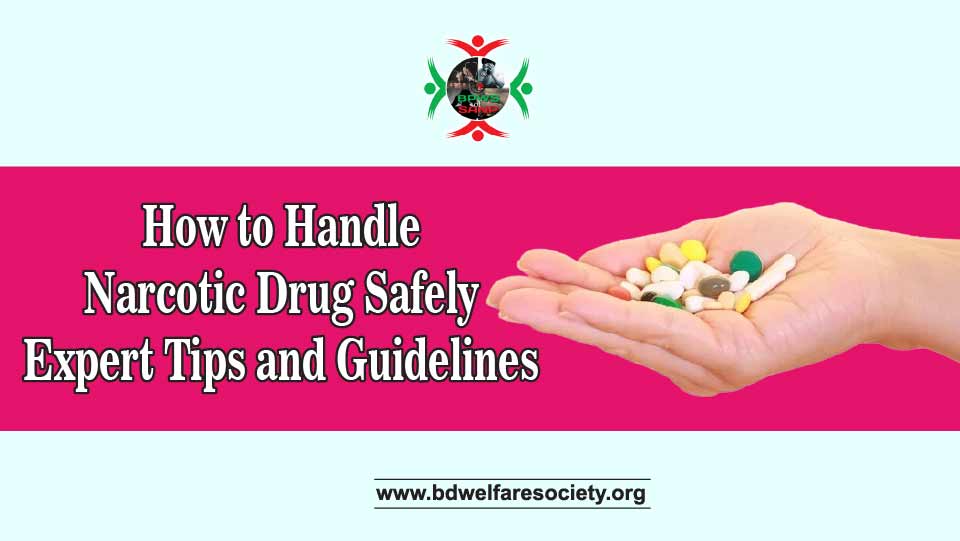
Store narcotic drugs in a secure, locked cabinet. Only authorized personnel should have access to these substances.
Handling narcotic drugs requires strict adherence to safety protocols and regulatory guidelines. Ensuring proper storage and controlled access prevents misuse and theft. Authorized personnel must document all transactions meticulously, maintaining an accurate inventory. Proper training for handling and administering these drugs is essential for healthcare professionals.
This minimizes the risk of accidental exposure or overdose. Regular audits and compliance checks help in maintaining safety standards. Understanding legal responsibilities and ethical considerations is crucial in handling narcotics. Effective communication among team members ensures smooth operations and enhances patient safety. Adopting best practices in narcotic management promotes a secure and responsible environment.
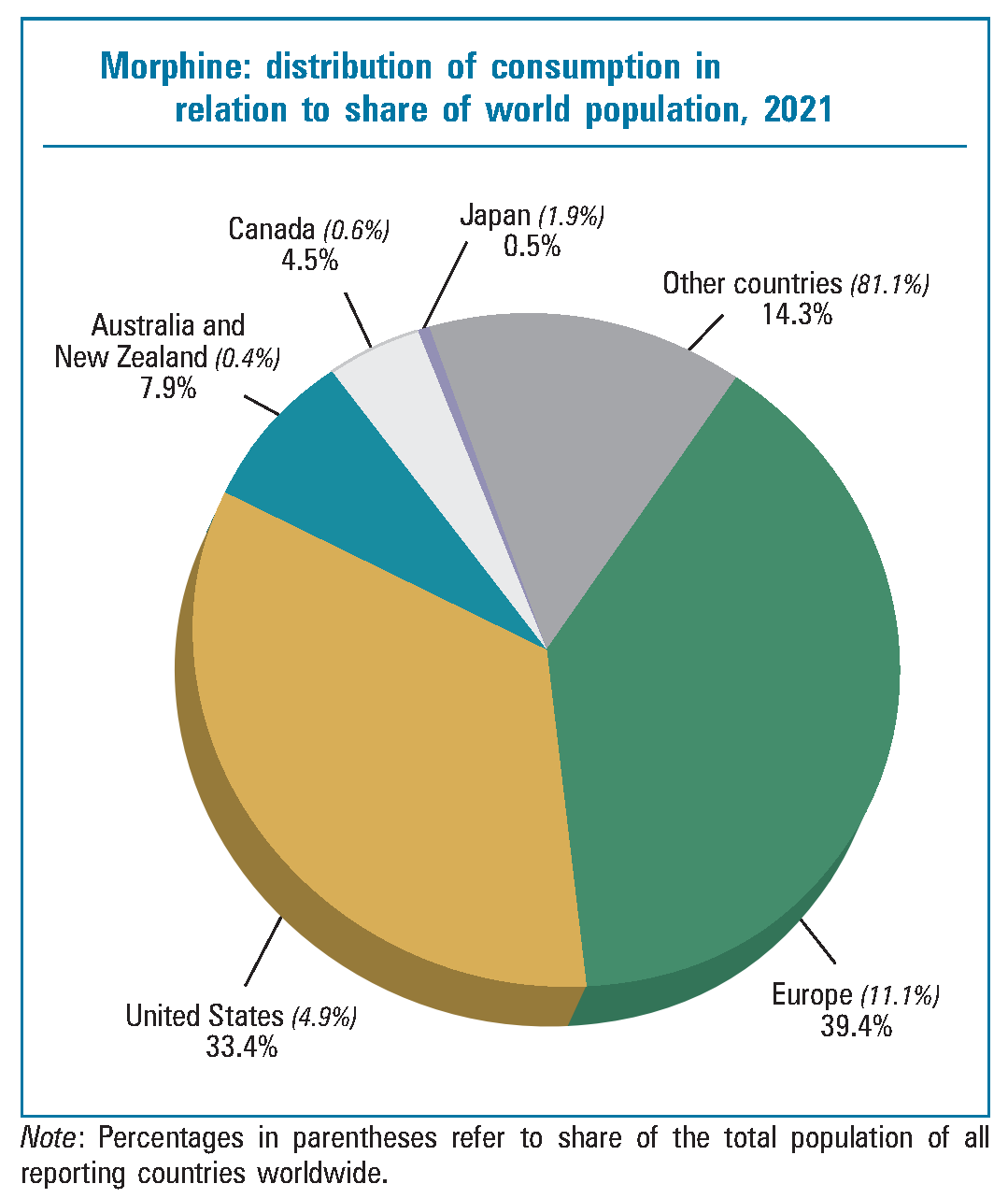
Credit: www.incb.org
Safe Storage Practices
Handling narcotic drugs requires strict safe storage practices. Proper storage ensures safety and maintains drug efficacy. Below, we detail essential practices for storing these substances.
Secure Locations
Store narcotic drugs in secure locations. Use a locked cabinet or safe. Only authorized personnel should have access to these areas.
- Lock drugs in a dedicated cabinet.
- Limit access to authorized staff.
- Install surveillance cameras for added security.
Temperature Control
Maintain proper temperature control to preserve drug potency. Follow manufacturer guidelines for specific storage temperatures.
| Drug Type | Recommended Temperature |
|---|---|
| General Narcotics | 15°C – 25°C (59°F – 77°F)</td |

Credit: www.slideshare.net
Proper Labeling
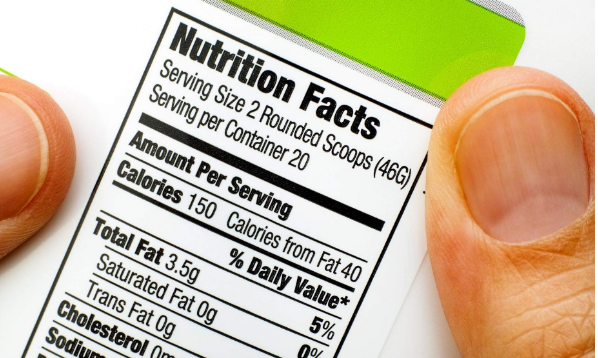
Proper labeling is crucial in handling narcotic drugs. Clear labels ensure safety and compliance. Labels must be easy to read and understand. This section highlights key elements of proper labeling.
Clear Instructions
Every narcotic drug label must include clear instructions. This ensures correct usage and dosage. Follow these guidelines:
- Use simple words.
- Include dosage instructions.
- State the purpose of the drug.
- Specify storage conditions.
Here’s an example of a label with clear instructions:
| Instruction | Details |
|---|---|
| Dosage | Take 1 tablet every 4 hours |
| Purpose | For pain relief |
| Storage | Store in a cool, dry place |
Warning Signs
Warning signs on narcotic drug labels are vital. They alert users to potential risks. Include the following warning signs:
- Side Effects: List possible side effects.
- Interactions: Mention drug interactions.
- Overdose: Provide overdose warnings.
Example warning signs might include:
- “May cause drowsiness.”
- “Do not mix with alcohol.”
- “Seek medical help if overdosed.”
Clear warning signs ensure user safety. They also help in preventing misuse.
Handling Procedures
Handling narcotic drugs requires strict procedures to ensure safety. Proper handling helps prevent contamination and misuse. This guide covers key steps for safe handling.
Use Of Gloves
Always wear gloves when handling narcotic drugs. Gloves protect your skin from direct contact. They also prevent contamination of the drugs.
Choose gloves that fit well and are non-porous. Latex or nitrile gloves are often recommended. Ensure gloves are clean and free from tears.
Follow these steps to use gloves correctly:
- Wash your hands before putting on gloves.
- Inspect gloves for any damage.
- Put on gloves without touching the outside.
- Dispose of gloves properly after use.
Avoiding Contamination
Contamination can make drugs unsafe to use. Follow strict protocols to avoid contamination.
Use clean tools and surfaces. Regularly disinfect work areas. Avoid touching drug containers with bare hands.
Here are some tips to avoid contamination:
- Use single-use tools when possible.
- Store drugs in clean, sealed containers.
- Keep work areas tidy and free from clutter.
These steps ensure narcotic drugs remain safe and effective. Proper handling protects both the handler and the drugs.
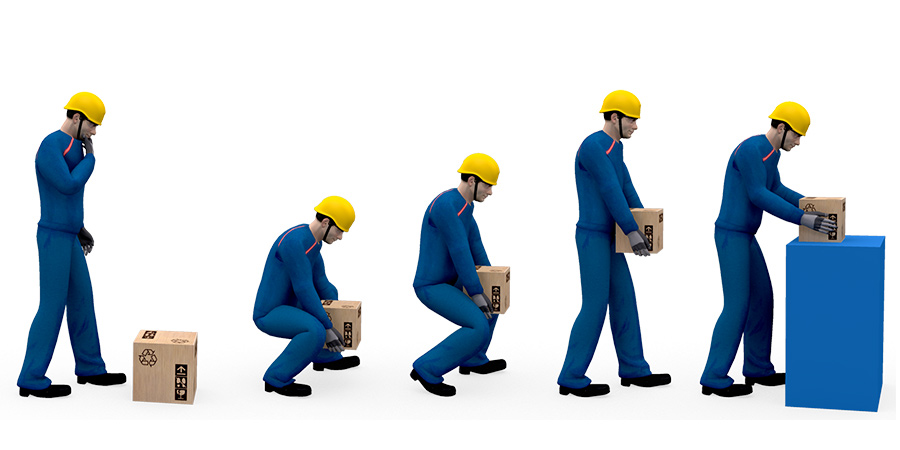
Dispensing Guidelines
Dispensing narcotic drugs requires strict adherence to guidelines. These ensure safety and compliance. Proper practices minimize the risk of misuse. Below are essential guidelines for accurate dispensing.
Dosage Accuracy
Ensuring dosage accuracy is crucial. Always double-check the prescribed dose. Use a calibrated dispensing tool. This reduces the risk of errors.
Keep a dose chart handy. This helps in cross-verifying the prescribed dosage. A sample table for dose accuracy checks is shown below:
| Drug Name | Prescribed Dose | Dispensed Dose |
|---|---|---|
| Morphine | 10 mg | 10 mg |
| Oxycodone | 20 mg | 20 mg |
Patient Verification
Always verify the patient’s identity. This ensures the drug reaches the right person. Use multiple forms of identification like:
- Government ID
- Patient’s medical record
- Prescription number
Document the verification process. This adds an extra layer of security. It also helps in keeping accurate records.
Transportation Safety
Transportation safety is crucial when handling narcotic drugs. Ensuring their safe transport prevents theft, loss, and misuse. This guide covers essential aspects of transportation safety.
Secure Packaging
All narcotic drugs must be in secure packaging. Use tamper-evident seals and sturdy containers. Ensure the packaging is damage-resistant. Tamper-evident seals show any unauthorized access attempts.
- Use thick, durable materials for packaging.
- Label packages clearly and accurately.
- Seal packages with tamper-evident tape.
Packaging should also be discreet to avoid drawing attention. Avoid labels that indicate the contents are narcotics. This reduces the risk of theft during transport.

Tracking And Monitoring
Tracking and monitoring are vital for safe transportation of narcotic drugs. Use GPS tracking devices on transport vehicles. This ensures real-time location updates.
| Tracking Method | Benefits |
|---|---|
| GPS Devices | Real-time location updates |
| RFID Tags | Track package movement |
Monitoring should include regular check-ins. Drivers should report their status at scheduled intervals. This ensures the transport is proceeding as planned.
- Install GPS on all transport vehicles.
- Equip packages with RFID tags.
- Schedule regular check-ins with drivers.
Tracking and monitoring reduce the risk of loss and theft. They ensure timely delivery and maintain accountability.
Emergency Protocols
Handling narcotic drugs requires strict emergency protocols to ensure safety. Knowing what to do in emergencies can prevent serious harm. Here, we will discuss the essential steps for spill response and exposure treatment.
Spill Response
Accidents with narcotic drugs can occur. It’s important to have a clear spill response plan.
- Alert everyone in the area.
- Wear protective gear like gloves and masks.
- Contain the spill using absorbent materials.
- Dispose of contaminated materials in a sealed bag.
- Clean the area with a disinfectant.
Make sure to document the spill and report it to your supervisor.
Exposure Treatment
Exposure to narcotic drugs can be dangerous. Follow these steps to treat exposure:
- Remove the person from the exposure area.
- Wash affected skin with soap and water.
- Flush eyes with water if exposed.
- Seek medical attention immediately.
- Provide first aid if the person is unconscious.
Always keep an emergency contact list handy for quick access.
| Emergency Action | Steps to Follow |
|---|---|
| Spill Response |
|
| Exposure Treatment |
|
Disposal Methods
Proper disposal of narcotic drugs is vital. It prevents misuse and protects the environment. This section covers safe and effective disposal methods.
Approved Containers
Use approved containers for disposing of narcotics. These containers are designed to prevent leaks. They also protect against accidental exposure.
- Find these containers at pharmacies.
- Look for a tightly sealed lid.
- Label the container correctly.
Never use household trash bins for narcotic disposal. This can lead to misuse and environmental harm.
Environmental Considerations
Think of the environment when disposing of narcotics. Improper disposal can pollute water and soil. Follow these steps for eco-friendly disposal:
- Do not flush drugs down the toilet.
- Use drug take-back programs.
- Consult local guidelines for disposal.
Many communities offer special disposal days. Participate to ensure safe and eco-friendly disposal.
Training Programs
Proper handling of narcotic drugs is crucial. Implementing effective training programs ensures staff know the correct procedures. These programs also reduce risks associated with narcotic drugs.
Staff Education
Staff education is the foundation of safe narcotic drug handling. Training should cover:
- Proper storage of narcotics
- Correct labeling of drugs
- Safe disposal methods
Educating staff on these topics helps prevent misuse. It also ensures compliance with regulations.
Regular Updates
Regular updates to training programs are essential. This ensures staff are aware of the latest safety protocols. Regular updates can be delivered through:
- Monthly meetings
- Online courses
- Workshops
These updates keep staff informed about new regulations. They also help reinforce existing knowledge.
| Training Method | Frequency | Content |
|---|---|---|
| Monthly Meetings | Once a month | New protocols, Q&A sessions |
| Online Courses | Quarterly | Updated regulations, handling techniques |
| Workshops | Bi-annually | Hands-on practice, case studies |
Regulatory Compliance
Regulatory Compliance is crucial when handling narcotic drugs. It ensures the safety and legality of your operations. Understanding the legal landscape and being prepared for inspections can help maintain compliance and avoid penalties.
Legal Requirements
Every country has strict legal requirements for handling narcotic drugs. You must know the laws in your region. These laws often require specific licenses and permits.
Make sure your staff is trained in regulatory compliance. Training ensures everyone knows how to handle narcotics safely.
Keep detailed records of all transactions involving narcotic drugs. Record-keeping is essential for both legal and safety reasons.
Inspection Readiness
Always be prepared for inspections. Inspectors can visit your facility without warning. Preparation is key.
Regularly audit your processes and documentation. This ensures everything is up to date.
- Keep all records organized and easily accessible.
- Ensure your storage areas meet all safety standards.
- Train staff on what to expect during inspections.
Use checklists to stay inspection-ready. Checklists help ensure you don’t miss any details.
| Inspection Checklist |
|---|
| Update all licenses and permits. |
| Audit record-keeping practices. |
| Verify storage compliance. |
| Conduct staff training. |
| Prepare for unannounced inspections. |
Credit: www.britannica.com
Patient Education
Patient education is crucial for safe narcotic drug use. Understanding proper usage and risks can prevent misuse and adverse effects. Below are essential points for patient education regarding narcotic drugs.
Usage Instructions
Patients must follow prescribed dosage accurately. Never take more than instructed. Always use a measuring tool for liquid forms. Do not crush or break tablets unless advised.
- Take medication at the same time each day.
- Store drugs in a secure, dry place.
- Avoid alcohol when using narcotics.
Risk Awareness
Narcotic drugs carry risk of addiction and side effects. Patients should be aware of these risks.
| Risk | Description |
|---|---|
| Addiction | Long-term use can lead to dependence. |
| Overdose | Taking too much can be life-threatening. |
| Side Effects | Nausea, dizziness, and constipation are common. |
Patients must report any unusual symptoms to their doctor.
Record Keeping
Effective record keeping is crucial for handling narcotic drugs. Maintaining accurate records ensures compliance with legal requirements. It also helps in preventing misuse and diversion. This section will cover two key aspects of record keeping: Inventory Logs and Audit Trails.
Inventory Logs
Inventory logs track narcotic drugs from receipt to dispensation. They provide a detailed account of every transaction. This includes the date, quantity, and person responsible for each entry.
Here is a sample layout for an inventory log:
| Date | Drug Name | Quantity Received | Quantity Dispensed | Remaining Stock | Person Responsible |
|---|---|---|---|---|---|
| 01/01/2023 | Oxycodone | 100 | 0 | 100 | Dr. Smith |
| 02/01/2023 | Oxycodone | 0 | 10 | 90 | Nurse Jane |
Regularly update the log to reflect current stock levels. Keep the log in a secure location to prevent unauthorized access.
Audit Trails
Audit trails provide a historical record of all transactions. They help in tracking the movement of narcotic drugs. This is useful for identifying discrepancies or unusual patterns.
Key elements of an effective audit trail include:
- Date and Time: Record the exact date and time of each transaction.
- Person Responsible: Note who handled the drug at each stage.
- Transaction Type: Specify whether the transaction was a receipt, dispensation, or adjustment.
- Quantity: Indicate the amount of drug involved in the transaction.
Audit trails should be reviewed regularly. This helps in identifying any issues promptly. It also assists in ensuring compliance with regulatory requirements.
Using digital systems can simplify maintaining audit trails. These systems can provide automated alerts for any irregularities.
Both inventory logs and audit trails are essential for effective record keeping. They ensure transparency and accountability in handling narcotic drugs.
Risk Management
Managing the risks associated with narcotic drugs is crucial. Proper risk management ensures the safety of patients and healthcare providers. Below, we delve into the steps for effective risk management.
Identifying Hazards
Identifying hazards is the first step. Recognize potential risks in handling narcotic drugs. This includes:
- Storage Issues: Improper storage can lead to theft or misuse.
- Dosage Errors: Incorrect dosage can harm patients.
- Handling Mistakes: Mishandling drugs can cause contamination.
A thorough risk assessment helps in pinpointing these hazards.
Mitigation Strategies
Mitigation strategies are vital for reducing risks. Implement the following measures:
- Secure Storage: Use locked cabinets for narcotic drugs.
- Training: Train staff on proper handling techniques.
- Regular Audits: Conduct audits to ensure compliance.
These steps help in minimizing risks effectively.
| Hazard | Mitigation Strategy |
|---|---|
| Theft | Secure Storage |
| Dosage Errors | Training |
| Contamination | Proper Handling |
Adhering to these strategies ensures safer handling of narcotic drugs.
Technology Integration
In the modern age, technology plays a crucial role in handling narcotic drugs. Leveraging advanced systems can enhance safety and efficiency. This section discusses how technology can aid in managing narcotic drugs.
Automated Systems
Automated systems streamline the process of managing narcotic drugs. These systems reduce human error and increase accuracy. They ensure proper dosage, tracking, and inventory management.
- Reduces human error
- Increases accuracy
- Ensures proper dosage
- Tracks inventory efficiently
Automated systems can include robotic dispensing machines. These machines accurately dispense the right amount of medication. They are programmed to handle various types of narcotic drugs.
| Feature | Benefit |
|---|---|
| Robotic Dispensing | Accurate medication dispensing |
| Inventory Tracking | Efficient stock management |
Data Security
Data security is vital when handling sensitive information about narcotic drugs. Protecting patient data and inventory records from breaches is essential. Implementing secure databases and encryption protocols can help.
- Secure databases
- Encryption protocols
- Access controls
Access controls limit who can view or modify data. These controls ensure only authorized personnel handle narcotic drug information.

Using firewalls and antivirus software can also protect data from cyber threats. Regular audits ensure that security measures are up-to-date.
In summary, integrating technology in handling narcotic drugs enhances safety and efficiency. Automated systems and data security measures are key components.
Ethical Considerations
Handling narcotic drugs involves many ethical considerations. These ensure the safety and well-being of patients. Ethical practices are vital to maintaining trust and professionalism in healthcare.
Patient Confidentiality
Patient confidentiality is crucial. Healthcare providers must protect patient data. They should never share patient information without permission.
Use secure systems to store patient records. Ensure only authorized personnel can access these records. Encryption helps keep data safe from unauthorized access.
Educate staff about the importance of confidentiality. Regular training sessions can help maintain high standards.
Professional Responsibility
Professional responsibility involves several key aspects. Healthcare providers must ensure accurate record-keeping. They should document every use of narcotic drugs.
Always follow protocols for drug storage and disposal. Keep narcotic drugs in secure, locked cabinets. Ensure only authorized staff have access.
Report any suspicious activities immediately. Vigilance helps prevent misuse and diversion of narcotic drugs.
| Key Aspect | Action Required |
|---|---|
| Accurate Record-Keeping | Document every use of narcotic drugs. |
| Secure Storage | Keep narcotics in locked cabinets. |
| Access Control | Authorize only specific staff. |
| Report Suspicious Activity | Notify authorities immediately. |
Frequently Asked Questions
What Are The Rules For Narcotics Control?
Narcotics control rules include strict regulation of production, distribution, and usage. Authorities require proper licensing and monitoring. Strict penalties apply for violations.
What Does A Narcotic Do To A Person?
Narcotics alleviate pain and induce sleep. They can cause euphoria, drowsiness, and slowed breathing. Prolonged use leads to addiction and tolerance.
What Are The Actions Of Narcotics?
Narcotics relieve pain, induce sleep, and reduce anxiety. They can cause euphoria and drowsiness. High doses may lead to respiratory depression.
What Qualifies A Drug As A Narcotic?
A drug qualifies as a narcotic if it alters mood or behavior, causes dependence, and is regulated by law. Narcotics include opioids like morphine and heroin.
Conclusion
Properly handling narcotic drugs ensures safety and compliance. Always follow legal guidelines and secure storage practices. Stay informed about the potential risks and benefits. Responsible management reduces misuse and enhances health outcomes. Prioritize education and vigilance to maintain a safe environment.
Your proactive approach can make a significant difference.