Prevention from Suicide, Addiction, Narcotics and Pollution. Withdrawal and Recovery Facts of Narcotics | Symptoms of Suicidal thoughts & Ideations | Effects of Environment Pollution | Understand Addiction withdrawal
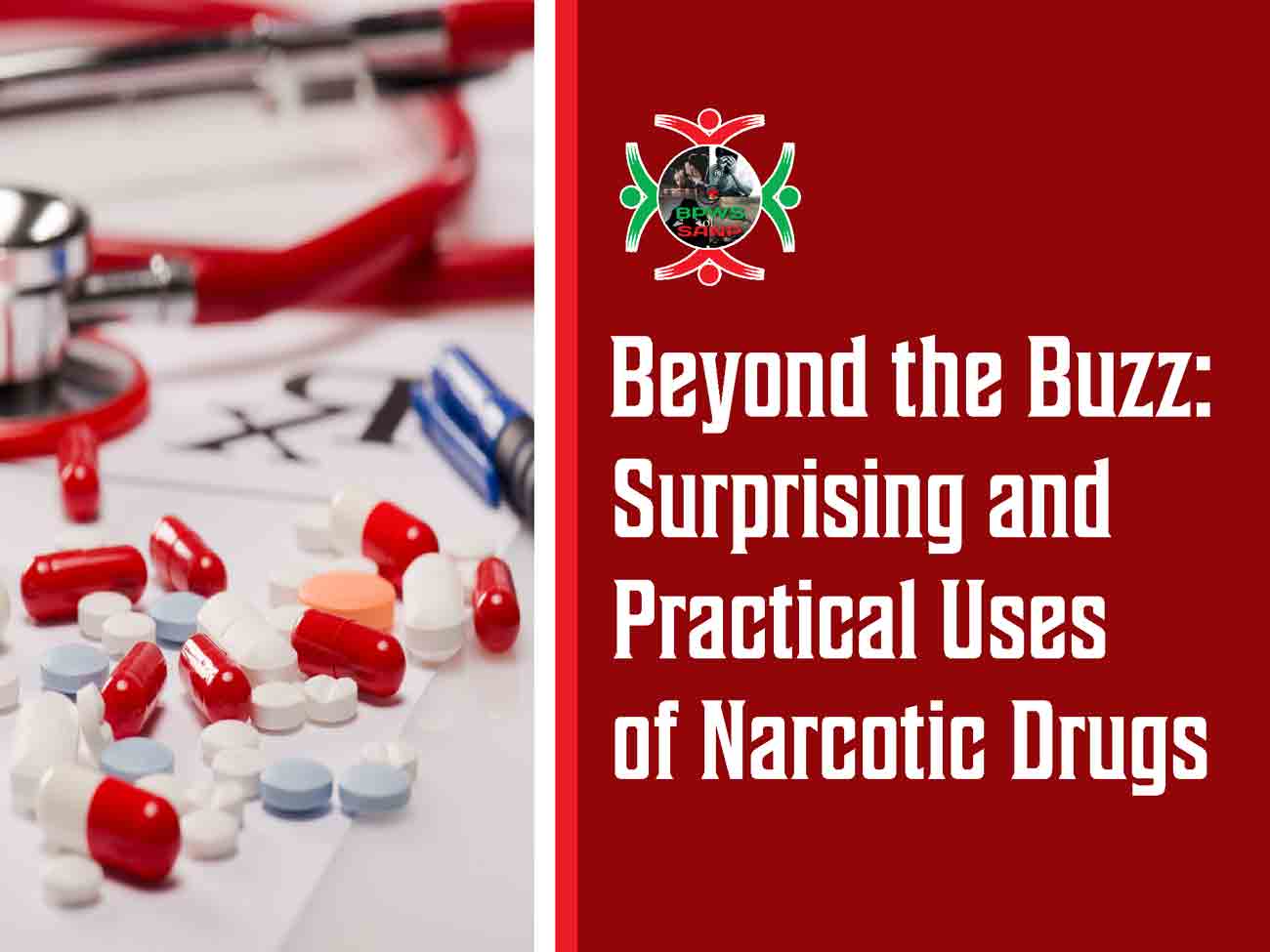
Narcotic drugs can relieve pain and treat severe coughs. They also aid in managing opioid dependence.
Narcotic drugs often carry a negative appellation due to their potential for abuse. Yet, they have surprising and practical uses in medical fields. These drugs effectively relieve severe pain, making them indispensable in surgical and trauma care. They also treat persistent coughs, providing relief for patients with chronic bronchitis or advanced cancers.
Moreover, narcotics play a vital role in opioid replacement therapy, helping individuals overcome addiction. Understanding these benefits can change the perception of narcotics from dangerous substances to essential medical tools. This blog explores the multifaceted applications of narcotic drugs beyond their reputation.
The Medicinal History Of Narcotics
Narcotic drugs have a long and complex history. From ancient times, they have been used for various purposes. Their journey from ancient remedies to modern medicine is fascinating. Let’s explore how narcotics were used throughout history.
Ancient Uses
Ancient civilizations constructed multiple uses for narcotics. Sumerians recorded the use of opium around 3400 B.C. They called it the “joy plant.” The Egyptians used opium for pain relief and sleep. They documented its use in the famous Ebers Papyrus.
Opium was used for medical purposes in ancient China. It was part of traditional Chinese medicine. In India, narcotics like cannabis were used in Ayurvedic medicine. They treated ailments like insomnia, headaches, and pain.
Transition To Modern Medicine
The 19th century marked a change. Narcotics started to be studied scientifically. Morphine, derived from opium, was discovered in 1804. It became a powerful painkiller. It was widely used during the American Civil War.
Later, Heroin was synthesized from morphine in 1874. It was initially marketed as a non-addictive substitute for morphine. This was a huge mistake. By the 20th century, regulations started to control narcotic use. Medical professionals recognized their addictive potential.
Modern medicine still uses narcotics. They manage severe pain and other conditions. Oxycodone and fentanyl are examples. These drugs must be used carefully. They offer relief but can be addictive.
| Drug | Ancient Use | Modern Use |
|---|---|---|
| Opium | Joy plant, Pain relief | Pain management |
| Morphine | N/A | Surgical pain relief |
| Heroin | N/A | Limited medical use |
| Oxycodone | N/A | Pain management |

Credit: www.reddit.com
Unpacking The Term ‘narcotic’
The term “narcotic” often brings to mind illegal drugs and addiction. Yet, the term has deeper meanings and varied uses in different contexts. Let’s explore what “narcotic” truly means.
Legal Definitions
Legally, the term “narcotic” can vary from one jurisdiction to another. In the United States, narcotics are drugs that are regulated under the Controlled Substances Act.
- Schedule I: High abuse potential, no medical use (e.g., heroin).
- Schedule II: High abuse potential, medical use (e.g., morphine).
- Schedule III: Moderate abuse potential, medical use (e.g., codeine).
The law categorizes narcotics to control their use and distribution. This helps protect public health and safety.
Medical Context
In medicine, “narcotic” refers to drugs that relieve pain and induce sleep. These drugs are often used for severe pain relief.
| Narcotic Drug | Common Use |
|---|---|
| Morphine | Severe pain relief |
| Codeine | Cough suppression, pain relief |
| Fentanyl | Chronic pain relief |
Doctors prescribe narcotics for post-surgery pain, cancer pain, and chronic pain conditions. These drugs must be used carefully to avoid addiction and other side effects.
Pain Management: Opioids In Action
Opioids are strong drugs. They play a vital role in pain management. They help people live better with less pain. This section explores how opioids are used for pain relief.
Chronic Pain Relief
Chronic pain lasts for a long time. Many people suffer from it. Opioids can help ease chronic pain. This gives people a better quality of life. Doctors prescribe opioids carefully. They monitor patients to avoid addiction.
- Back pain
- Arthritis pain
- Nerve pain
These are some types of chronic pain. Opioids can help manage these. Patients should follow their doctor’s advice. This helps them stay safe while using opioids.
Post-surgical Applications
Pain is common after surgery. Opioids is helpful to manage this pain. They allow patients to recover comfortably. Doctors use opioids for a short time after surgery. This helps avoid long-term use and addiction risks.
| Surgery Type | Opioid Use |
|---|---|
| Heart Surgery | Short-term use |
| Knee Replacement | Short-term use |
| Back Surgery | Short-term use |
Post-surgical pain management is crucial. Opioids help patients heal faster. They can move and sleep better. This improves their overall recovery.
Narcotics In Palliative Care
Palliative care concentrates on developing the quality of life for patients with serious illnesses. Narcotic drugs play a crucial role in this field. They help manage pain and alleviate distressing symptoms. This section explores their practical uses in palliative care.
Easing End-of-life Symptoms
For patients nearing the end of life, pain can be unbearable. Narcotics help reduce this pain significantly. They also help manage other symptoms such as:
- Severe anxiety
- Shortness of breath
- Chronic nausea
These drugs provide comfort and peace in a patient’s final days. It allows them to spend quality time with loved ones. Narcotics, when used responsibly, can greatly improve end-of-life care.
Ethical Considerations
Use of narcotics in palliative care raises ethical questions. Doctors must balance relief with the risk of addiction. They must also consider the patient’s consent and autonomy. Ethical guidelines help ensure proper use of these powerful drugs.
| Consideration | Description |
|---|---|
| Patient Consent | Ensuring patients understand and agree to treatment |
| Risk Management | Balancing pain relief with addiction risks |
| Autonomy | Respecting patients’ decisions about their care |
These ethical considerations guide the use of narcotics. They ensure that patients receive compassionate and responsible care.
Cancer Treatment And Narcotics
Narcotic drugs play a key role in treating Cancer. They help manage pain and improve the quality of life for patients. These drugs have surprising and practical uses beyond the buzz. This section explores their importance in cancer care.
Managing Cancer Pain
Cancer pain is often severe and difficult to endure. Narcotics can provide strong relief. Doctors use them to help patients feel better. There are different types of narcotics used in pain management. They include:
- Morphine
- Fentanyl
- Oxycodone
These drugs work by blocking pain signals in the brain. This helps patients to rest and heal better. The correct dosage is important for safety. Doctors monitor patients closely to avoid side effects.
Breakthroughs In Symptom Control
Narcotics is also helpful in controlling other cancer symptoms. They can reduce nausea, anxiety, and shortness of breath. These benefits improve the overall quality of life. New breakthroughs in narcotic use are constantly being discovered. Some of these breakthroughs include:
- New drug formulations that are easier to take.
- Better methods for delivering drugs to the body.
- Improved understanding of how narcotics work in the brain.
A table can help illustrate the benefits of these breakthroughs:
| Breakthrough | Benefit |
|---|---|
| New Drug Formulations | Easier for patients to take |
| Better Delivery Methods | More effective symptom control |
| Improved Understanding | Safer and more targeted treatments |
These advancements make narcotics even more useful in cancer treatment. They offer hope and relief for many patients.

Credit: www.analysisgroup.com
Mental Health: Narcotics As Therapeutic Agents
Narcotic drugs have wondrous uses in mental health treatment. They help with conditions like depression and PTSD. These drugs can bring relief when other treatments fail. Let’s explore how ketamine and MDMA are used therapeutically.
Depression And Ketamine
Ketamine is usually known as a party drug. But it helps treat severe depression. Traditional antidepressants take weeks to work. Ketamine can improve mood in hours. This rapid effect is life-saving for some patients.
Doctors give ketamine in controlled settings. They monitor patients for side effects. It’s usually given through an IV. Small doses are enough to see benefits. Studies show ketamine helps when other treatments don’t work.
PTSD And MDMA
MDMA, also called Ecstasy, has therapeutic uses too. It helps people with PTSD. PTSD makes it hard to live a normal life. MDMA helps patients feel safe during therapy.
Therapists use MDMA in controlled sessions. It helps patients talk about their trauma. This makes therapy more effective. Studies show MDMA can lead to long-term improvement.
Both ketamine and MDMA offer hope. They help where other treatments fail. These drugs open new doors in mental health therapy.
The Role Of Narcotics In Anesthesia
The role of narcotics in anesthesia is critical. Narcotics help manage pain during and after surgery. They provide comfort to patients and ensure smooth procedures.
Surgical Anesthesia
Surgical anesthesia uses narcotics to obstruct pain during operations. Doctors use narcotics to keep patients asleep and pain-free. This allows surgeons to work without causing discomfort.
Commonly used narcotics in surgical anesthesia include morphine, fentanyl, and oxycodone. These drugs are powerful and effective in managing acute pain.
| Narcotic | Effectiveness | Usage |
|---|---|---|
| Morphine | High | Major surgeries |
| Fentanyl | Very High | Short, intense pain |
| Oxycodone | Moderate | Post-surgical pain |
Advancements In Anesthesiology
Advancements in anesthesiology have improved patient outcomes. Modern techniques use a combination of drugs for better results. Narcotics are now safer and more effective.
One major advancement is the use of patient-controlled analgesia (PCA). This allows patients to control their pain medication. PCA devices deliver a controlled dose of narcotics, ensuring safety and comfort.
- Reduced recovery time
- Lower risk of complications
- Improved patient satisfaction
Another advancement is the development of non-opioid alternatives. These drugs reduce the dependency on narcotics. They offer pain relief with fewer side effects.
Overall, the role of narcotics in anesthesia remains vital. As technology advances, so do the methods and safety of these drugs.
Addiction Vs. Therapeutic Use
Narcotic drugs often bear a negative reputation. They are linked with addiction and misuse. But these drugs also have important medical uses. Understanding the difference between addiction and therapeutic use is essential. This helps in making informed decisions about their use.
Distinguishing Use And Abuse
Not all narcotic drug use is harmful for health. Medical professionals use these drugs to manage severe pain. This is common in conditions like cancer or after major surgeries. Therapeutic use means using drugs in a controlled manner. It involves following a doctor’s prescription strictly.
Abuse occurs when the drugs are taken without a prescription. It also includes taking higher doses than recommended. Abuse leads to addiction and other health issues. Recognizing the signs of abuse is crucial. This helps in preventing misuse and addiction.
Responsible Prescription Practices
Doctors follow strict guidelines while prescribing narcotic drugs. They assess the patient’s medical history. They determine the right dosage and duration of use. Monitoring is a key part of the process. Regular check-ups ensure the drugs are used safely.
Patient education is also vital. Doctors inform patients about the risks and benefits. They teach how to take the drugs correctly. This helps in preventing misuse and addiction.
| Aspect | Therapeutic Use | Abuse |
|---|---|---|
| Prescription | Doctor’s approval | No prescription |
| Dosage | Controlled | Uncontrolled |
| Monitoring | Regular check-ups | No monitoring |
| Outcome | Managed pain | Addiction |
- Follow the doctor’s instructions.
- Do not share your medication.
- Store drugs safely.
- Avoid alcohol while on medication.
These practices can help in using narcotic drugs safely. They ensure the drugs serve their purpose effectively.
Regulatory Perspectives On Narcotic Drugs
Understanding the regulatory perspectives on narcotic drugs is important. These regulations ensure the safe and effective use of these powerful substances. They also help prevent misuse and illegal distribution. Different countries and international bodies have their policies in place. These policies guide the lawful use of narcotic drugs.
Government Policies
Government policies play a key role in controlling narcotic drugs. These policies ensure that narcotic drugs are used for medical purposes only. They also impose strict penalties for illegal use and distribution.
Here are some key aspects of government policies:
- Licensing: Only licensed entities can manufacture and distribute narcotic drugs.
- Prescription: Narcotic drugs can only be dispensed with a valid prescription.
- Monitoring: Governments track the production and distribution of these drugs.
These measures help in preventing drug abuse and ensuring public safety.
International Drug Control
International drug control involves cooperation among countries. This ensures a unified approach to narcotic drug regulation. Organizations like the United Nations play a key role in this.
| Organization | Role |
|---|---|
| United Nations Office on Drugs and Crime (UNODC) | Monitors global drug issues and supports member states in implementing drug control policies. |
| International Narcotics Control Board (INCB) | Ensures the availability of narcotic drugs for medical purposes while preventing abuse. |
These organizations set guidelines for the use and distribution of narcotic drugs. They also provide support to countries in implementing these guidelines.
International treaties like the Single Convention on Narcotic Drugs also play a crucial role. These treaties standardize the control measures across countries. This helps in ensuring that narcotic drugs are used responsibly and legally worldwide.
Research And Development Of Narcotics
The research and development of narcotics have progressed beyond traditional uses. Scientists explore new ways to utilize these drugs. They aim to enhance health benefits while minimizing risks. This section delves into the latest advancements in this field.
Clinical Trials
For testing new narcotic applications, clinical trials are vital. Researchers design trials to ensure safety and effectiveness. Opioids are studied for their pain-relief properties. These trials help find the right dosage and delivery methods.
Here are some key aspects of clinical trials:
- Phase 1: Tests safety and dosage on small groups.
- Phase 2: Examines effectiveness and side effects.
- Phase 3: Confirms results with larger groups.
- Phase 4: Monitors long-term effects after approval.
Clinical trials ensure that new treatments are safe. They also determine if the benefits outweigh the risks.
Emerging Treatments
Emerging treatments focus on innovative uses of narcotic drugs. These treatments offer new hope for patients with severe conditions.
Some promising areas include:
- Chronic Pain Management: Narcotics provide relief for persistent pain.
- Mental Health Disorders: Some narcotics help treat anxiety and depression.
- Cancer Therapy: Narcotics ease pain during cancer treatments.
These emerging treatments highlight the potential of narcotics beyond traditional uses.
Researchers continue to uncover new benefits. They work to make these treatments safer and more effective.
Public Perception And Stigma
Public perception of narcotic drugs often leans negative. Many people associate these drugs with crime and addiction. This stigma can hinder understanding their practical uses.
Media Influence
Media plays a big role in shaping people’s perspective on narcotic drugs. Movies and TV shows often depict these drugs in a negative light. This creates fear and misunderstanding. News reports usually focus on drug abuse and illegal activities. Positive stories about medical uses are rare.
| Media Type | Common Portrayal |
|---|---|
| Movies | Drug abuse and crime |
| TV Shows | Addiction and violence |
| News Reports | Illegal activities |
Changing Views
Views on narcotic drugs are changing slowly. More people are learning about their medical benefits. Pain management is a key area where these drugs help. They also aid in surgeries and chronic illness management.
- Pain relief for severe conditions
- Anesthesia during surgeries
- Treatment for chronic illnesses
Education and awareness campaigns are vital. They help people understand the positive side of narcotics. Changing views can reduce stigma and lead to better health outcomes.
Narcotics In Non-traditional Medicine
Narcotics have found a place in non-traditional medicine. They are not just for pain relief. Their use extends beyond typical medical practices. They play unique roles in rituals and cultural activities.
Psychedelics In Rituals
Psychedelics have been used in rituals for ages. Shamans and spiritual leaders use them. These substances help in connecting with the spiritual world. Ayahuasca, a powerful psychedelic, is one such example. It is used in Amazonian rituals. Participants often report profound spiritual experiences.
Another well-known psychedelic is psilocybin, found in magic mushrooms. Indigenous tribes use it in their ceremonies. These rituals aim to heal the mind and spirit. They believe that psychedelics open doors to other realms.
Cultural Practices
In many cultures, narcotics have traditional uses. Opium has a long history in Asian cultures. It was used in cultural and social gatherings. People believed it had benefits beyond pain relief.
Cannabis has been part of Indian culture for centuries. It is used during festivals like Holi and Shivaratri. People consume it in a drink called Bhang. They believe it has spiritual and medicinal properties.
| Substance | Cultural Use | Region |
|---|---|---|
| Ayahuasca | Rituals | Amazon |
| Psilocybin | Ceremonies | Indigenous Tribes |
| Opium | Social Gatherings | Asia |
| Cannabis | Festivals | India |
Narcotics in non-traditional medicine offer a different perspective. They show the diverse roles these substances play. They are not just drugs but part of cultural heritage.
Safety And Side Effects
Narcotic drugs have practical uses but come with risks. Understanding their safety and side effects is crucial. Let’s explore these aspects in detail.
Addressing Risks
Narcotic drugs can cause several side effects. Common side effects include:
- Drowsiness
- Nausea
- Constipation
- Dizziness
Drowsiness can affect your daily activities. It is important to avoid driving or operating machinery. Nausea and constipation can be managed with a balanced diet. Dizziness can make you feel unsteady. Take care when standing up quickly.
Below is a table summarizing the risks and how to manage them:
| Side Effect | Management |
|---|---|
| Drowsiness | Avoid driving |
| Nausea | Eat small meals |
| Constipation | Increase fiber intake |
| Dizziness | Stand up slowly |
Long-term Impact
Long-term use of narcotic drugs can lead to serious effects. These effects include:
- Dependence
- Tolerance
- Organ damage
Dependence means your body needs the drug to function. Tolerance means you need more of the drug to feel the same effect. Organ damage can occur with prolonged use, affecting the liver and kidneys.
It’s vital to use these drugs responsibly. Always follow your doctor’s advice.
The Future Of Narcotics In Medicine
The medical field constantly evolves. One area seeing significant change is the use of narcotic drugs. These substances often stir controversy. Yet, their potential in modern medicine is undeniable.
Innovations On The Horizon
New technologies bring fresh perspectives. Advanced delivery systems are now in development. These systems target pain more precisely.
- Transdermal patches
- Microneedle arrays
- Smart drug delivery devices
Nanotechnology is another promising field. It allows for targeted drug delivery at the cellular level. This reduces side effects and increases effectiveness.
Ethical Implications
The use of narcotics in medicine raises ethical questions. Access to pain relief is a fundamental right. Yet, over-prescription can lead to addiction.
| Ethical Concern | Possible Solution |
|---|---|
| Over-prescription | Stricter guidelines |
| Accessibility | Equal distribution policies |
| Dependency | Long-term care plans |
Balancing these concerns is crucial. Medical professionals must stay informed and vigilant.
Frequently Asked Questions
What Do Narcotics Do To The Body?
Narcotics dull pain, induce euphoria, and can lead to addiction. They slow down the central nervous system. Long-term use harms organs.
What Are Examples Of Narcotics And Their Effects?
Examples of narcotics include heroin, morphine, and oxycodone. These drugs can cause drowsiness, euphoria, and pain relief. Overuse leads to addiction, respiratory issues, and overdose.
What Is An Example Of A Narcotic Which Can Be Taken Orally Or By Smoking?
An example of a narcotic that can be taken orally or by smoking is heroin. Heroin is an illegal opioid.
What Is An Opioid On The Street?
An opioid on the street is a powerful, illegal drug like heroin or counterfeit pills. These substances are highly addictive and dangerous. Users seek them for pain relief or euphoria. Street opioids often contain fentanyl, increasing overdose risks. Always avoid unregulated drugs.
Conclusion
The potential of narcotic drugs extends beyond pain relief. Their surprising uses can be beneficial in various medical fields. Understanding these applications may change perceptions. It’s crucial to approach narcotics with informed awareness and responsibility. Embracing their full potential could lead to advancements in healthcare and patient care.