Prevention from Suicide, Addiction, Narcotics and Pollution. Withdrawal and Recovery Facts of Narcotics | Symptoms of Suicidal thoughts & Ideations | Effects of Environment Pollution | Understand Addiction withdrawal
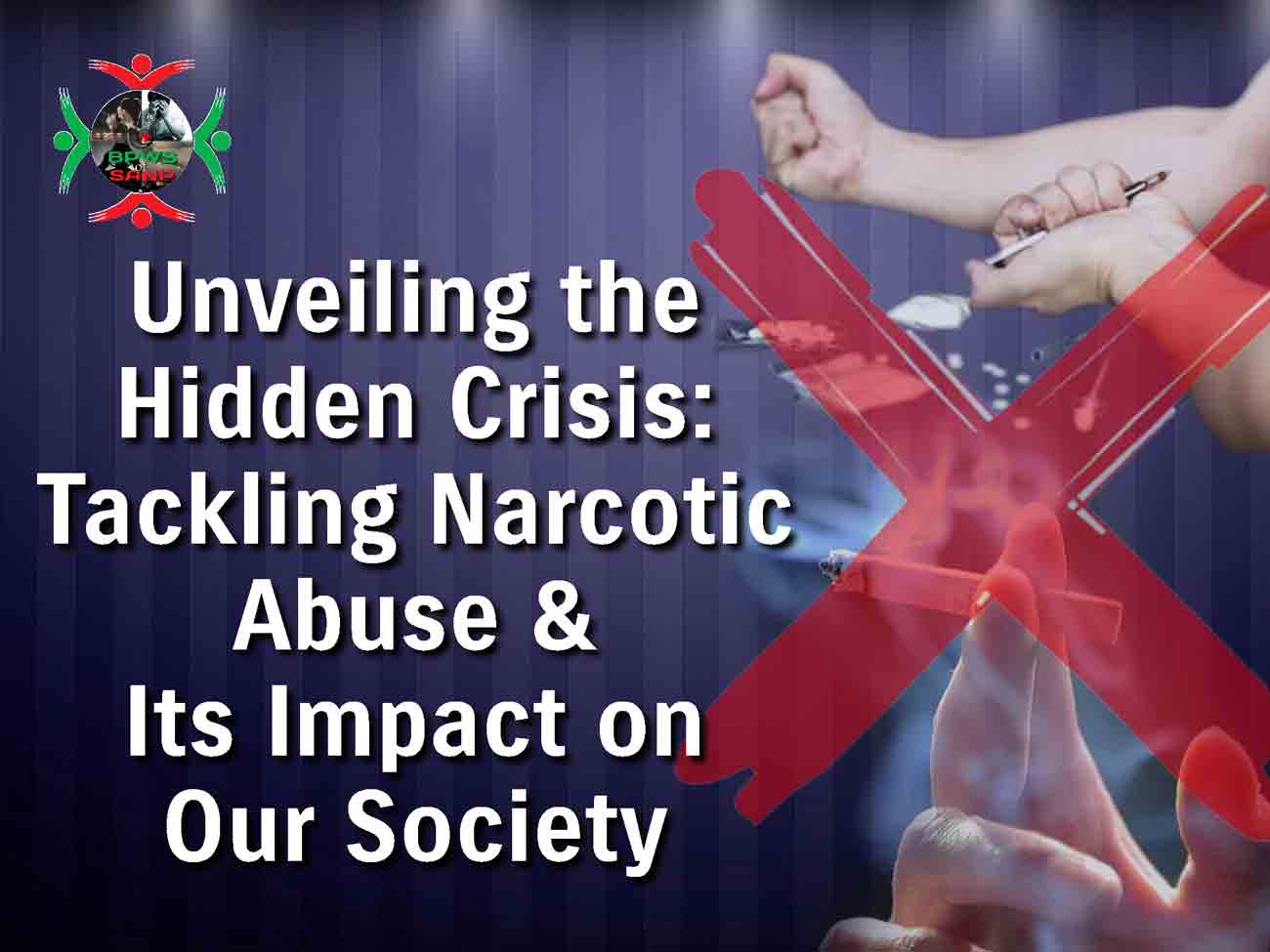
Narcotic abuse is a growing crisis, deeply affecting society. Addressing this issue is crucial for community well-being.
Every layer of society is infiltrated by narcotic abuse, leading to devastating health, social and economic consequences. Families are torn apart, crime rates have increased and healthcare systems have become overwhelmed. Tackling this hidden crisis requires a multi-faceted approach, including education, treatment, and law enforcement.
Awareness and prevention can play a significant role in restraining the spread of narcotic abuse. Community support systems and rehabilitation programs are essential for recovery and reintegration. By understanding the gravity of this issue and taking collective action, we can mitigate its impact and foster a healthier, safer society.

Credit: www.everydayhealth.com
The Silent Epidemic: Narcotic Abuse
Narcotic abuse is a hidden crisis affecting countless lives. It spreads silently through communities. Many people suffer without anyone noticing. This epidemic tears families apart and strains resources.
Defining Narcotic Abuse
Narcotic abuse involves the misuse of drugs like opioids. These drugs can be legal or illegal. Prescribed painkillers, heroin and synthetic opioids are common narcotics. Abuse means using these drugs in ways that are not prescribed.
People abuse narcotics for their intense effects. These effects include pain relief and euphoria. Over time, the body needs more to achieve the same effect. This leads to dependency and addiction.
Statistics: A Glimpse Into The Epidemic
The numbers reveal the severity of this crisis. Here are some alarming statistics:
- Over 10 million people misused prescription opioids in the past year.
- 2 million people used heroin in the past year.
- 47,000 deaths from opioid overdoses annually.
The impact of narcotic abuse is widespread. It affects all age groups and demographics. The table below shows overdose death rates by age group:
| Age Group | Overdose Death Rate |
|---|---|
| 15-24 | 12.6 per 100,000 |
| 25-34 | 36.5 per 100,000 |
| 35-44 | 29.7 per 100,000 |
| 45-54 | 24.1 per 100,000 |
| 55-64 | 21.8 per 100,000 |
These figures highlight the urgent need to address this issue. Narcotic abuse is not limited to any one group. It affects young and old alike.
Tracing The Roots: Causes Of Drug Addiction
To combat this crisis understanding the causes of drug addiction is important . Addiction affects individuals, families and communities. By identifying the main causes, we can develop effective strategies to prevent and treat addiction.
Socioeconomic Factors
Socioeconomic factors have significant contribution to drug addiction . Poverty, lack of education and unemployment are key factors. Individuals in low-income neighborhoods may witness limited opportunities. This can lead to feelings of distress and turn to drugs as an escape.
- Poverty: Financial struggles can lead to increased stress and drug use.
- Lack of Education: Poor education limits job opportunities, increasing addiction risks.
- Unemployment: Joblessness can cause despair, leading to substance abuse.
Communities with limited resources often see higher drug abuse rates. Improving socioeconomic conditions can help reduce addiction rates.
Psychological Triggers
Mental health plays a vital role in drug addiction. Emotional and psychological issues can lead individuals towards substance abuse.
- Depression: Persistent sadness can lead to drug use as a coping mechanism.
- Anxiety: High anxiety levels may push individuals to seek relief through drugs.
- Trauma: Traumatic experiences can lead to self-medication with drugs.
Determining and treating mental health issues is crucial. Therapy and support can help individuals avoid turning to drugs. Addressing psychological triggers can reduce addiction rates and improve overall well-being.
From Prescription To Dependency
Narcotic abuse is a growing problem that affect many lives. One major issue is the transition from prescription to dependency. Many people begin with prescribed painkillers and end up addicted.
The Opioid Crisis
Our society has been has shaken by the opioid crisis. It started with the over-prescription of painkillers. These drugs are greatly addictive. People using them for pain relief can quickly develop a dependency. This crisis has led to a sharp increase in overdose deaths.
Here are some alarming facts about the opioid crisis:
- Over 70% of drug overdose deaths involve an opioid.
- More than 10 million people misused prescription opioids in 2022.
- Every day, over 130 people die from opioid overdoses in the U.S.
Role Of Healthcare Providers
Healthcare providers play a significant role in the opioid crisis. Doctors prescribe painkillers to help patients manage pain. But they need to balance pain relief with the risk of addiction. Some doctors have been too quick to prescribe opioids. This has a great contribution to the cause of narcotic abuse.
Healthcare providers can take steps to help fight this crisis:
- Implementing stricter guidelines for opioid prescriptions.
- Educating patients about the risks of opioid use.
- Monitoring patients for signs of addiction.
- Offering alternative pain management options.
The opioid crisis and the role of healthcare providers are key in understanding narcotic abuse. By addressing these issues, we can work towards reducing the impact of narcotic abuse on our society.
Youth And Drugs: A Dangerous Cocktail
The issue of drug abuse among the youth is a growing concern all over the world. Young people often face a mix of curiosity, peer pressure and misinformation. This toxic combination can lead them to experiment with drugs. The effects are often demolishing, impacting their health, education and future.
Peer Pressure And Experimentation
A powerful force among adolescents is peer pressure. Friends can influence each other’s choices, sometimes lead to risky behaviors. Many youths start using drugs to be seen as cool. The desire to belong can override common sense.
Experimentation with drugs is common during teenage years. Curiosity about new experiences is a vital reason for this behavior. Unfortunately, this curiosity can lead to addiction. Many teenagers underestimate the risks involved. They think they can stop anytime, but addiction happens fast.
Prevention Strategies For Adolescents
Effective prevention strategies can help alleviate drug abuse among youth. Education is an important key. Schools should provide comprehensive drug education programs. These programs must teach the dangers of drug use and the benefits of staying drug-free.
Parents play a crucial role in prevention. Open communication between parents and children can make a difference. Parents should make their children aware of the risks of drug use. They should also monitor their activities and friendships.
Community programs can also be useful for prevention efforts. Youth clubs and sports teams can provide healthy alternatives to drug use. These programs can help young people build self-esteem and resilience.
| Prevention Strategy | Description |
|---|---|
| Education | Teach the dangers of drug use in schools. |
| Parental Involvement | Discuss risks and monitor activities. |
| Community Programs | Provide healthy alternatives and build self-esteem. |
Breaking The Stigma: Society’s Views On Addiction
Addiction often carries a heavy stigma. This stigma prevents many from seeking help. Understanding society’s views on addiction is crucial. It helps in addressing narcotic abuse effectively.
Cultural Perceptions
Cultural perceptions play a huge role in how addiction is observed. In some cultures, addiction is seen as a moral failure. This view blames the individual rather than recognizing addiction as a disease.
Other cultures may see addiction as a result of external pressures. This could include stress from work, family or social expectations. Understanding these perceptions can help in creating better support systems.
| Culture | View on Addiction |
|---|---|
| Western | Moral failure |
| Eastern | External pressures |
Media Influence And Responsibility
The social media plays a significant role in shaping views on addiction. Movies and TV shows often depict addicts in a negative light. This portrayal reinforces negative stereotypes.
The media can also help by showing the human side of addiction. Stories of recovery and hope can inspire and educate. Responsible reporting can change public point of view and reduce stigma.
- Negative portrayals can harm public perception.
- Positive stories can inspire and educate.
- Responsible reporting is crucial for changing views.
By understanding cultural perceptions and media influence, we can better tackle narcotic abuse. Breaking the stigma is necessary for creating a supportive society.
The Body In Chains: Physical Effects Of Narcotic Abuse
Narcotic abuse can cause great harm to the body. The damage starts quickly and gets worse over time. Understanding these effects can be helpful to grasp the urgency of the crisis.
Short-term Impact
Short-term effects of narcotic use are harsh. They can start right after use.
- Drowsiness: Users often feel very sleepy.
- Confusion: The mind feels foggy and unclear.
- Slowed Breathing: Narcotics can make breathing slow and shallow.
- Nausea and Vomiting: Many users feel sick and vomit.
- Constipation: Bowel movements become difficult.
Long-term Health Consequences
Long-term abuse causes severe health issues. These problems can last for years.
| Health Issue | Description |
|---|
The Mind Enslaved: Psychological Consequences
Narcotic abuse doesn’t just harm the body but also deeply affects the mind. The psychological toll is immense. The mind becomes a prisoner. Emotional and mental health collapse rapidly. This section explores the deep psychological impact of narcotic abuse.
Mental Health And Substance Abuse
Substance abuse often leads to severe mental health issues. Depression is very common. Anxiety becomes a daily struggle. People often feel isolated. They can experience extreme mood swings. Suicidal thoughts can also occur. The mind is in constant breeze.
Below is a table highlighting the mental health issues linked with substance abuse:
| Mental Health Issue | Description |
|---|---|
| Depression | Feelings of deep sadness and hopelessness |
| Anxiety | Constant worry and fear |
When The Home Hurts: Impact On Families
Narcotic abuse doesn’t just harm the user, it also deeply affects families. The home must be the place for comfort and love. But drug addiction can change that. It brings pain, confusion and fear.
Dynamics Of An Addicted Family
Daily life becomes very chaotic in an addicted families. Trust is broken. Lies and secrets become common. Children often feel neglected and unsafe. They might take on adult roles too soon. This can lead to emotional scars.
| Role | Impact |
|---|---|
| Parents | Feel guilt and helplessness |
| Children | Experience neglect and fear |
| Siblings | Feel ignored and confused |
Support For Loved Ones
Supporting loved ones is necessary. Families need to seek help. They can join support groups. Therapy can also be very effective. It’s important to remember they are not alone.
- Support Groups: Offer a safe space to share.
- Therapy: Helps heal emotional wounds.
- Education: Learning about addiction can reduce stigma.
Families can recover together. It’s a journey, but it brings hope.
Economic Drain: The Cost Of Narcotics To Society
Narcotic abuse causes far-reaching consequences for society. The economic burden it creates is very impactful. The cost of narcotics extends beyond the individuals directly affected. It permeates various sectors, leading to substantial financial strain. This section delves into the economic drain caused by narcotics, focusing on two critical areas: the burden on the healthcare system and the loss of productivity.
Burden On The Healthcare System
Narcotic abuse creates a huge strain on the healthcare system. Hospitals and clinics face increased patient loads. Emergency room visits for overdoses are frequent. These incidents require immediate and costly medical intervention.
Chronic illnesses related to drug abuse also add to the load. Conditions such as hepatitis and HIV are common among drug users. Treating these diseases is expensive and resource-intensive. Mental health services are also in high demand. Drug addiction often leads to mental health issues that require long-term treatment.
The financial cost is startling. According to a report by the National Institute on Drug Abuse, the annual cost of drug abuse to the healthcare system is estimated to be over $11 billion. This figure includes hospitalizations, treatments and emergency room visits.
Loss Of Productivity
Workplace productivity is significantly affected due to narcotic abuse. Employees with drug issues often miss their work or idle to their work. This leads to a substantial economic loss.
Businesses suffer from increased absenteeism and lower performance levels. Employee turnover rates rise, leading to higher recruitment and training costs. According to the National Safety Council, substance abuse costs employers nearly $81 billion annually.
The impact is also felt at a broader economic level. A workforce compromised by drug abuse results in lower overall productivity. This hinders economic growth and development.
| Sector | Annual Cost |
|---|---|
| Healthcare | $11 billion |
| Workplace Productivity | $81 billion |
Crime And No Punishment: Narcotics And The Legal System
Narcotic abuse remains as a hidden crisis that is affecting the society deeply. The legal system’s response to narcotic abuse often seems insufficient. This section delves into the relationship between narcotics, crime, and the legal system.
Drug-related Offenses
Drug-related offenses are a crucial part of the legal system. These offenses range from possession to trafficking. Each has serious consequences.
- Possession: Simple possession can lead to fines or jail time.
- Trafficking: Trafficking involves selling or distributing drugs. It carries harsher penalties.
- Manufacturing: Producing drugs is a severe crime. It often results in long prison sentences.
The legal system struggles to manage the volume of drug-related cases. Courts are often backlogged, delaying justice. This backlog affects both offenders and society.
Rehabilitation Vs. Incarceration
Rehabilitation and incarceration are two different approaches to deal with drug offenders. Many experts believe that rehabilitation is more effective.
| Approach | Description | Outcome |
|---|---|---|
| Rehabilitation | Focuses on treating addiction. Offers support and therapy. | Leads to lower relapse rates. Helps reintegrate into society. |
| Incarceration | Involves prison time. Punitive approach. | Often leads to high relapse rates. Limited support for recovery. |
Rehabilitation programs are obtaining popularity. They offer a more humane and effective solution. Many countries now prefer these programs over incarceration.
Incarceration does not address the root cause of addiction. It often worsens the problem. Many prisoners get back to drug use after release. This cycle needs to be broken.
Healing The Wounds: Treatment And Recovery
Narcotic abuse leaves deep wounds in both individuals and society. Healing these wounds requires dedicated treatment and recovery processes. This journey is tough but essential for a healthier future.

Detoxification Processes
Detoxification is considered to be the first step in the treatment journey. It helps the body eradicate harmful substances. Medical professionals often supervise this process. This ensures safety and comfort for the individual.
During detox, patients may experience withdrawal symptoms. These symptoms can be acute. Medical supervision helps manage these symptoms effectively. This step is crucial for preparing the body for further treatment.
| Detox Method | Description |
|---|---|
| Inpatient Detox | 24/7 medical supervision in a hospital or clinic. |
| Outpatient Detox | Regular visits to a healthcare facility for treatment. |
Therapy And Ongoing Support
After detox, therapy and ongoing support play significant roles. These help to address the main causes of addiction. There are various therapy options available.
- Individual Therapy: One-on-one sessions with a therapist.
- Group Therapy: Sessions with others facing similar challenges.
- Family Therapy: Involving family members to heal relationships.
Ongoing support is also necessary. Support groups and continued counseling ensures this support. They help individuals stay on the path to recovery.
- Join a support group.
- Attend regular counseling sessions.
- Engage in healthy activities.
These steps foster a supportive environment. They help individuals build a new, healthy life.
Policy Response: Government’s Role In Combating Drug Abuse
The government can play a vital role in addressing narcotic abuse. Effective policies can significantly lessen the impact on society. This section focuses on national strategies and funding for prevention and treatment.
National Strategies
To combating drug abuse, national strategies are crucial . These strategies include comprehensive plans and coordinated efforts across various sectors.
- Education: Implementing drug education programs in schools.
- Law Enforcement: Strengthening laws and enhancing police efforts.
- Healthcare: Improving access to treatment and rehabilitation services.
Governments often collaborate with local authorities, NGOs and international bodies. This ensures a unified approach to tackle the drug crisis effectively.
Funding For Prevention And Treatment
For successful prevention and treatment programs, adequate funding is essential . Governments allocate budgets to various initiatives aimed at decreasing drug abuse.
| Initiative | Funding Allocation |
|---|---|
| Prevention Programs | $500 million |
| Treatment Facilities | $300 million |
| Research and Development | $200 million |
Funding supports various activities, such as:
- Developing new treatment methods.
- Expanding access to rehabilitation centers.
- Conducting awareness campaigns.
Effective use of funds can lead to significant improvements. It can reduce the number of people affected by narcotic abuse.
Community Power: Grassroots Movements Against Narcotic Abuse
Grassroots movements are important in the fight against narcotic abuse. These movements bring communities together to tackle this hidden crisis. Local initiatives and engaging at-risk populations are key strategies in these efforts.
Local Initiatives
Local initiatives play a crucial role in combating narcotic abuse. Many communities organize educational programs to raise awareness. These programs can teach about the dangers of narcotics and how to avoid them.
Community centers often organize workshops and support groups. These gatherings provide a safe space for individuals to share their struggles. Local leaders and volunteers provide guidance and resources to those in need.
| Initiative | Description |
|---|---|
| Educational Programs | Teach about narcotic dangers and prevention. |
| Support Groups | Provide a safe space to share struggles. |
| Community Workshops | Offer guidance and resources to those in need. |
Engaging At-risk Populations
Engaging at-risk populations is crucial for reducing narcotic abuse. Aiming these groups can prevent the spread of addiction. Schools and youth organizations play an important role.
They offer programs in the purpose to educate young people about narcotics. These programs include interactive sessions and real-life stories. Law enforcement agencies also collaborate with communities.
- Schools educate young people about narcotics.
- Youth organizations offer interactive sessions.
- Law enforcement collaborates with communities.
By focusing on at-risk populations, communities can make a significant impact. Grassroots movements empower individuals to make change. Together, we can tackle narcotic abuse and build a healthier society.
Looking Ahead: Future Challenges And Solutions
As we delve into the hidden crisis of narcotic abuse, it becomes clear that addressing this issue is paramount for the well-being of our society. The future presents numerous challenges but also opportunities for innovative solutions. This section will explore how we can tackle these challenges and implement effective strategies for a healthier future.

Innovations In Treatment
Innovations in treatment can be greatly impactful for combating narcotic abuse. New therapies and technologies exhibit hope for those struggling with addiction. Personalized medicine tailors treatment plans to individual needs, enhancing effectiveness.
Telehealth services increase access to care, especially in remote areas. Patients can receive help from professionals without traveling. Digital tools like apps and online platforms provide continuous monitoring and encouragement.
| Treatment Innovation | Benefit |
|---|---|
| Personalized Medicine | Tailored to individual needs |
| Telehealth Services | Improved access to care |
| Digital Tools | Continuous support and monitoring |
Strengthening Prevention Efforts
Preventing narcotic abuse is vital but treating it is also significant. Education plays a key role in raising awareness among people. Schools and communities must provide correct information about the dangers of narcotics.
Early intervention programs can determine at-risk individuals before addiction takes hold. Community support systems offer resources and assistance to those in need. Public policies must focus on limiting access to narcotics.
- Education and awareness programs
- Early intervention initiatives
- Community support systems
- Restrictive public policies
By focusing on these areas, we can create a society better equipped to handle the challenges of narcotic abuse. These strategies offer a holistic approach to tackling this pressing issue.
Frequently Asked Questions
How Does The Opioid Crisis Affect Society?
The opioid crisis harms society by increasing healthcare costs, crime rates, and homelessness. Families face emotional and financial strain.
How Can We Solve Drug Abuse In The Community?
To solve drug abuse in the community, promote education, provide support programs, encourage healthy activities and strengthen law enforcement. Improve open communication and collaboration among families, schools and local organizations.
What Is The Role Of Society In Preventing Drug Abuse?
Society can play a significant role in preventing drug abuse through education, support networks and promoting healthy lifestyles. Communities can arrange awareness programs, provide resources and foster open communication. Parental involvement and strong community ties are also helpful in early intervention and reducing the stigma associated with seeking help.
What Are The Social Impacts Of Drug Abuse?
Drug abuse strains relationships, increases crime rates, and leads to social isolation. It impacts families, communities, and workplaces.
Conclusion
Addressing narcotic abuse is crucial to safeguard our society. Collective efforts can effectively reduce its devastating impact. Awareness, support and effective intervention should be prioritized. Together, we can foster a healthier, safer community free from the grip of narcotics. Each step taken towards this goal brings us closer to a brighter future.