Prevention from Suicide, Addiction, Narcotics and Pollution. Withdrawal and Recovery Facts of Narcotics | Symptoms of Suicidal thoughts & Ideations | Effects of Environment Pollution | Understand Addiction withdrawal
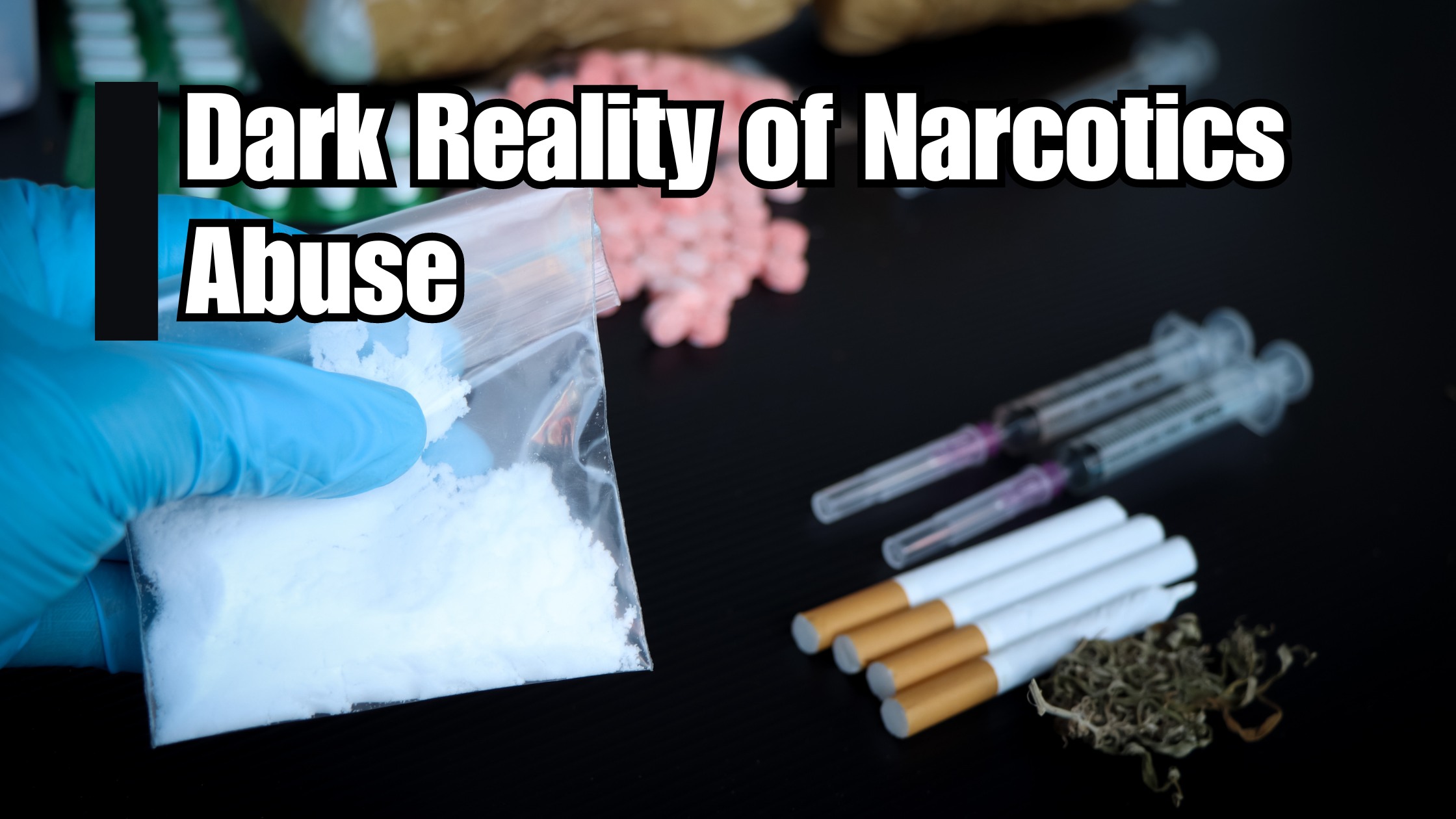
Narcotics abuse is a pervasive and pressing issue that afflicts societies on a global scale. It casts a shadow over individuals, families, and entire communities, leaving a trail of destruction in its wake. Defined as the misuse or overuse of narcotics for non-medical purposes, this epidemic has far-reaching consequences that extend well beyond the individual caught in its grip. From the initial flirtation with substances to the agonizing cycle of dependence and withdrawal, the journey of narcotics abuse is fraught with peril, ensnaring countless lives and perpetuating a cycle of despair and devastation.
Understanding Narcotics
Narcotics encompass a broad range of substances, including opioids, heroin, and prescription painkillers, which act on the central nervous system to alleviate pain and induce feelings of euphoria. While initially prescribed for legitimate medical purposes, these drugs have a high potential for abuse and addiction when misused or taken in excessive doses. The effects of narcotics extend beyond the physical realm, impacting mental health and cognitive function, leading to a spiral of addiction and despair.
The Dark Reality Unveiled
The opioid epidemic, a global crisis of unprecedented scale, has cast a dark shadow over communities worldwide. Rooted in various factors such as socio-economic disparities, accessibility to prescription medications, and mental health challenges, this crisis has wreaked havoc on individuals, families, and societies at large.
According to the World Health Organization (WHO), opioids, including prescription pain relievers, heroin, and synthetic opioids like fentanyl, have become alarmingly prevalent, with an estimated 53 million people across the globe engaging in their use. The repercussions of this widespread misuse are staggering, with approximately 585,000 deaths attributed to drug use disorders in 2020 alone. These stark statistics underscore the urgent need for comprehensive intervention strategies and robust support systems to mitigate the devastating consequences of addiction.
The ramifications of opioid abuse extend far beyond the realm of public health, infiltrating every facet of society. As loved ones succumb to addiction, communities suffer from crime and instability, and healthcare systems struggle to handle the burden of treating overdose cases and related health complications.
Furthermore, the opioid crisis exacerbates existing inequalities, disproportionately affecting vulnerable populations such as low-income individuals, minorities, and those with co-occurring mental health disorders. Limited access to quality healthcare services, coupled with systemic barriers to treatment and recovery resources, perpetuates a cycle of despair for many grappling with addiction
Signs and Symptoms
Identifying the signs of narcotic abuse is crucial for early intervention and support. Physical symptoms may include pinpoint pupils, drowsiness, and slowed breathing, while behavioral indicators such as social withdrawal, changes in mood, and secrecy about drug use may also signal a problem. Recognizing these signs and offering assistance can make a profound difference in the trajectory of someone struggling with addiction.
The Cycle of Addiction
A cycle of escalation that is characterized by rising tolerance, dependence, and cravings for drugs frequently marks the transition from casual use to full-blown addiction. What begins as experimentation or self-medication can quickly spiral out of control, leading to a vicious cycle of seeking and using drugs to avoid withdrawal symptoms. Breaking free from this cycle requires comprehensive support and treatment tailored to the individual’s needs.
Societal Impact
Beyond the personal toll on individuals and families, narcotics abuse exacts a heavy toll on society as a whole. The economic burden of addiction includes healthcare costs, lost productivity, and criminal justice expenses, placing strain on already stretched resources. Moreover, the stigma associated with addiction perpetuates discrimination and marginalization, hindering efforts to seek help and support.
Addressing the Crisis
Tackling the epidemic of narcotics abuse requires a multifaceted approach that encompasses prevention, treatment, and support services. Education and awareness campaigns play a crucial role in preventing substance abuse, while access to evidence-based treatment modalities and harm reduction strategies can help individuals on the path to recovery. Additionally, community-based initiatives and policy reforms are essential for addressing the systemic issues that contribute to addiction.
The Role of Healthcare Professionals
Healthcare professionals play a pivotal role in identifying and addressing narcotic abuse within their communities. Through early intervention, screening, and referral to treatment programs. Comprehensive care that addresses the physical, psychological, and social aspects of addiction is essential for long-term recovery.
Support for Families and Communities
Families affected by addiction often face immense challenges in navigating the complexities of the recovery process. Providing support and resources to loved ones, including access to counseling, support groups. Likewise, community-based organizations and advocacy groups play a vital role in raising awareness and mobilizing.
Overcoming the Stigma
One of the most significant barriers to seeking help for addiction is the pervasive stigma surrounding substance abuse. By challenging misconceptions and fostering empathy and understanding, we can create an environment.
Personal Stories of Recovery
The Dark Reality of Narcotics Abuse, stories of hope and resilience emerge, showcasing the transformative power of recovery. From individuals who have overcome addiction to those who support them on their journey. By sharing these stories, we honor the strength and courage of those who have walked.
Conclusion
In conclusion, the dark reality of narcotics abuse casts a long shadow over our society. Yet, amidst the darkness, there is hope. We can end the cycle of substance abuse and create a better future for everyone. Let us stand united in our commitment to combating narcotic .The Dark Reality of Narcotics Abuse.
FAQs:
- What are the most common narcotics abused worldwide?
– The most commonly abused narcotics include opioids such as heroin, prescription painkillers like oxycodone.
- How does narcotic abuse impact society economically?
– Narcotics abuse places a significant economic burden on society, including healthcare costs, lost productivity, and expenses related to law enforcement and criminal justice.
- What are some warning signs that someone may be struggling with narcotics addiction?
– Warning signs of narcotics addiction may include changes in behavior.
- What role do healthcare professionals play in addressing narcotics abuse?
– Healthcare professionals play a crucial role in identifying and treating narcotics abuse.
- How can individuals support loved ones struggling with narcotics addiction?
– Individuals can support loved ones by offering empathy and understanding, providing access to resources.