Prevention from Suicide, Addiction, Narcotics and Pollution. Withdrawal and Recovery Facts of Narcotics | Symptoms of Suicidal thoughts & Ideations | Effects of Environment Pollution | Understand Addiction withdrawal

The term “narcotics,” myths vs. facts which is often associated with negative connotations and stereotypes, refers to a wide range of substances that have both practical and recreational applications. It is critical to separate the myths from the realities of drugs in order to promote educated debates and execute efficient policies. Delving into their complex nature and illuminating their role in healthcare and society, this article sets out on a quest to understand narcotics. Our ability to dispel myths and advance solutions based on evidence will increase as our knowledge of narcotics grows.
What are Narcotics?
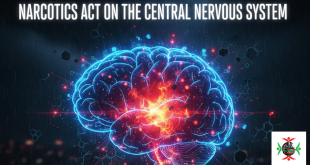
Narcotics myths vs. facts are a broad term for a lot of different substances, from legal drugs like heroin to illegal ones like painkillers. These drugs mostly work on the central nervous system to relieve pain, make people sleepy, and make them feel happy.
Importance of Understanding Myths vs. Facts
It’s important to know the difference between drug myths and facts because false information can lead to stigma, discrimination, and bad drug policies. Myths often spread false beliefs and fear, while facts give you accurate information to help you make decisions. Making the difference between the two helps protect and promote public health and safety by giving people the information they need to make smart decisions, lowering the harm of drug use, and pushing for policies and actions that are based on evidence. We can work toward a society that values compassion, understanding, and effective ways to deal with drug-related problems by busting myths and spreading true information.
Common Myths Surrounding Narcotics
Myth 1: All narcotics are illegal drugs
People often think that all drugs are illegal, which is not true. But this isn’t true. Doctors can legally give you narcotics like oxycodone and morphine to help with pain. These medicines are very important for medical treatment, and they are controlled to make sure they are used safely. Realizing that not all drugs are illegal fights stigma and encourages smart conversations about drug use and medical practices. It also shows how important it is to use and prescribe these drugs responsibly, within the limits of medical necessity and government rules.
Myth 2: Narcotics are only used for recreational purposes
Many narcotics have medical uses in addition to being abused for fun. Legal narcotics are prescribed to treat severe pain, keep long-term conditions under control, and make surgery easier.
Myth 3: Narcotics always lead to addiction
Not everyone who uses narcotics develops an addiction, despite their potential. An individual’s genetic makeup, their environment, and their mental health can all affect their ability to become addicted.
Breaking Down the Facts
Fact 1: Definition of narcotics
Narcotics include many different drugs, such as opioids, opiates, and synthetic opioids. How they interact with brain receptors eases pain. Opioids, like morphine and heroin, are derived from opium and are often prescribed by doctors to treat severe pain. Synthetic opioids, like fentanyl, are made to have the same effects as natural opioids. Knowing this broad group helps explain the difference between drugs and how they affect the body, which helps with teaching people about the risks of using drugs and stopping them from doing so.
Fact 2: Medicinal uses of narcotics
Narcotics are an important part of modern medicine because they help people who have surgery, chronic pain, or illnesses that will kill them feel better.
Fact 3: Addiction potential and treatment options
Addiction is a complex medical condition that can be effectively treated with a combination of medication-assisted therapy, counseling, and support groups, even though narcotics do carry a risk of addiction.
The Role of Narcotics in Medicine
- Pain management: Narcotics are often prescribed to help people who are in a lot of pain after surgery, an injury, or a medical condition like cancer.
- Anesthesia: To induce sedation and lessen pain during surgery, narcotics are frequently used as part of the anesthesia.
- Treatment of certain medical conditions: Some medical conditions, such as severe coughing or diarrhea, may be treated with narcotics to alleviate symptoms and improve quality of life.
Understanding Addiction
Factors contributing to addiction
Genetics, the environment, and mental health issues all play a role in addiction. These include a person’s own genetic predisposition, traumatic events, and social influences.
Differentiating between physical dependence and addiction
When someone stops using narcotics, they experience withdrawal symptoms. Addiction, on the other hand, is when they keep looking for drugs even though they know they’re bad for them.
Dispelling Misconceptions About Addiction
Addiction is a choice
It’s not just a matter of willpower or personal choice; there are also biological, psychological, and environmental factors at play.
Only weak-willed individuals become addicted
The idea that “only weak-willed people become addicted” is not true. Addiction can happen to anyone, no matter how good their character or morals are. No matter how strong they think their willpower is, anyone can become addicted.
Addiction is a moral failing
Addiction is a medical condition that needs to be treated with care and support. It’s not a sign of how moral someone is; it’s a condition that needs understanding, compassion, and effective treatments to get better.
Treatment and Recovery Options
Rehabilitation programs
Residential or outpatient rehabilitation programs offer comprehensive treatment for individuals struggling with addiction, including detoxification, therapy, and aftercare support.
Therapy and counseling
Individual and group therapy sessions provide a safe and supportive environment for addressing underlying issues contributing to addiction and developing coping strategies for recovery.
Support groups and community resources
Support groups such as Narcotics Anonymous assist people who are struggling to recover from addiction by providing advice and support from their peers.
Addressing Stigma and Discrimination
- Impact of stigma on individuals seeking help: Stigma and discrimination can deter individuals from seeking help for addiction, leading to isolation, shame, and worsening health outcomes.
- Importance of empathy and understanding: By promoting empathy and understanding, we can create a more supportive environment for individuals struggling with addiction and facilitate their journey to recovery.
Educating the Public
Promoting accurate information about narcotics
Educating the public about the risks and benefits of narcotics can help dispel myths and empower individuals to make informed decisions about their health.
Encouraging responsible use and disposal
Promoting responsible prescribing practices and proper disposal of unused medications can help prevent misuse, diversion, and overdose deaths.
Conclusion
In conclusion, separating myths from facts about narcotics is essential for promoting public health and safety. By understanding the medicinal uses, addiction risks, and treatment options associated with narcotics, we can foster a more informed and compassionate approach to drug policy and addiction treatment.
FAQs
- Are all narcotics illegal drugs?
-No, many narcotics are legally prescribe by healthcare professionals for legitimate medical purposes, such as pain management.
- Do all individuals who use narcotics become addict?
-No, addiction is influence by various factors, and not everyone who uses narcotics develops an addiction.
- Is addiction to narcotics a choice?
– A complex medical condition characterized by changes in brain chemistry and functioning, not simply a matter of personal choice.
- What are some treatment options for narcotic addiction?
-Treatment options for narcotic addiction include medication-assisted therapy, counseling, support groups, and rehabilitation programs.
- How can I support a loved one struggling with narcotic addiction?
-Supporting a loved one struggling with narcotic addiction involves offering empathy, encouragement, and assistance in accessing appropriate treatment and support resources.