Prevention from Suicide, Addiction, Narcotics and Pollution. Withdrawal and Recovery Facts of Narcotics | Symptoms of Suicidal thoughts & Ideations | Effects of Environment Pollution | Understand Addiction withdrawal
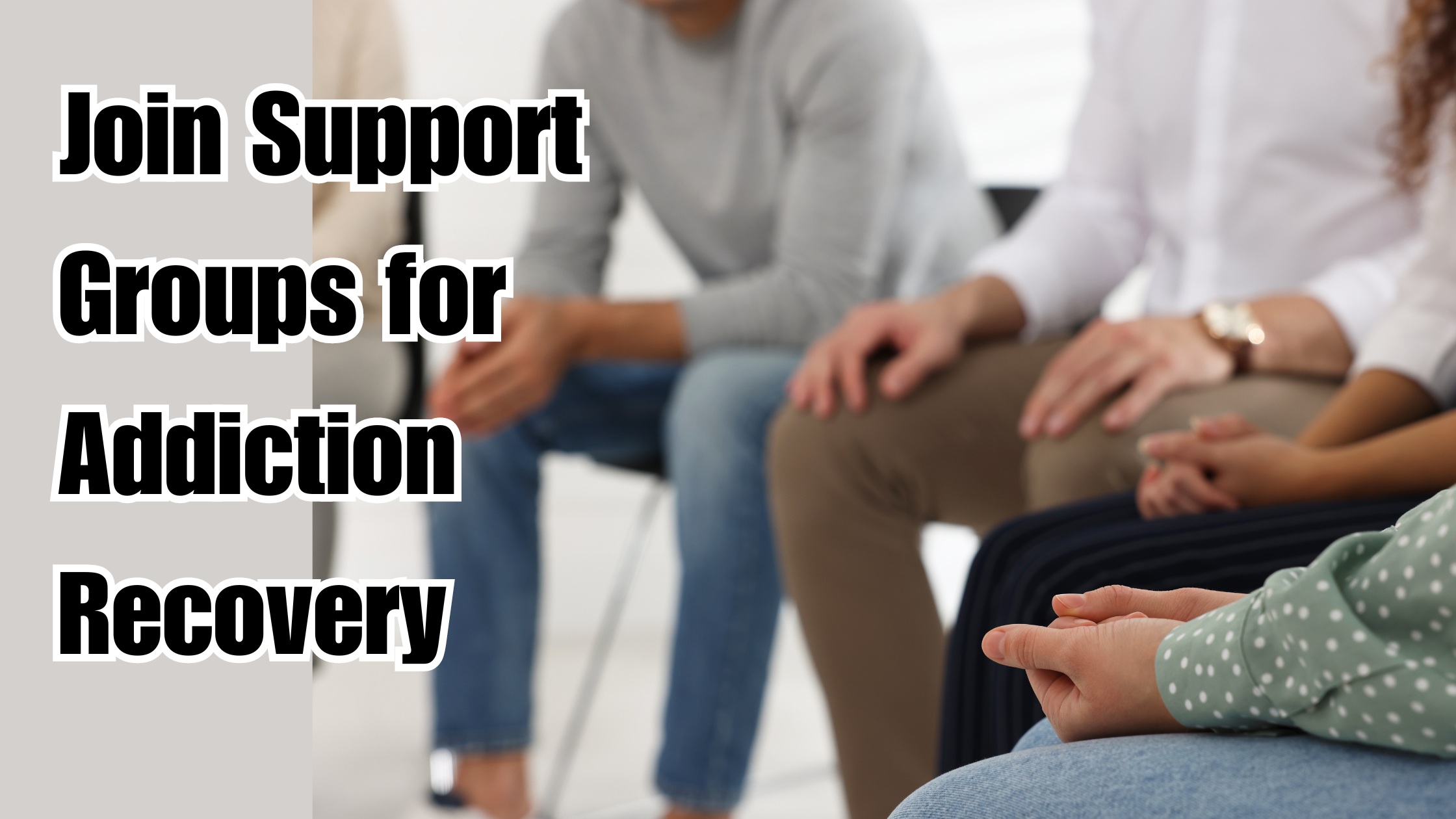
Addiction recovery is a journey fraught with challenges, but it’s a journey that doesn’t have to be navigated alone. In fact, one of the most crucial aspects of successful recovery is building a robust support system. While friends and family play a vital role, support groups specifically tailored for addiction recovery offer unique benefits that can significantly enhance the journey towards sobriety and wellness.
Understanding Support Groups
Support groups are gatherings where people with similar addiction recovery journeys meet. They can be in-person or online, and there are groups for specific groups of people. These meetings are safe places where members share their stories and support each other without judgment. Support groups help members feel understood and accountable for their recovery. They create a sense of belonging and connection among members who have been through similar struggles. In these groups, empathy flourishes as members listen to each other’s experiences and offer encouragement. Ultimately, support groups provide a supportive environment where individuals can find strength, hope, and solidarity as they work towards sobriety and wellness.
Exploring Different Modalities of Support
In the journey of addiction recovery, seeking support takes various forms beyond traditional support groups. Exploring different modalities ensures a comprehensive approach to addressing the complexities of addiction and promoting overall well-being.
A. Therapy and Counseling Options
Therapy and counseling play pivotal roles in addiction recovery by providing individuals with personalized guidance and tools to navigate challenges. Therapists and counselors offer a safe and confidential space to explore underlying issues contributing to addiction, develop coping strategies, and set goals for sustainable recovery. Through evidence-based techniques such as cognitive-behavioral therapy (CBT) and motivational interviewing, therapy helps individuals gain insight into their thoughts, emotions, and behaviors, empowering them to make positive changes and build a fulfilling life free from substance abuse.
B. Group Therapy Sessions Offered by Treatment Centers
Group therapy sessions, often facilitated by licensed professionals, are integral components of many addiction treatment programs. These sessions provide a supportive environment where individuals can share their experiences, learn from others, and practice essential skills for recovery in a group setting. Group therapy fosters peer support, accountability, and interpersonal growth as members engage in discussions, role-playing exercises, and experiential activities tailored to address common themes and challenges in addiction recovery. By participating in group therapy, individuals gain valuable insights, develop coping strategies, and build connections with peers, enhancing their overall recovery journey.
C. Integrating Professional Guidance with Support Group Involvement
Integrating professional guidance with support group involvement offers a holistic approach to addiction recovery, combining the personalized support of therapy with the peer support of support groups. By working collaboratively with therapists or counselors, individuals can address underlying psychological issues, develop coping skills, and set personalized goals for recovery. Support group involvement complements professional guidance by providing ongoing peer support, accountability, and opportunities for social connection. This integrated approach maximizes the effectiveness of treatment and promotes long-term success in overcoming addiction.
Navigating Relapses and Setbacks
Recovery can be tough, and sometimes people slip up or face setbacks. But in support groups, it’s okay to talk about these struggles without anyone judging you. We all share our stories and help each other with tips for coping. By leaning on each other, we find the strength to keep going even when things get hard. Together, we get through tough times and come out stronger in the end. Being a member of a group teaches us that we are not alone and provides us the confidence to keep moving ahead on our way to improvement.
Embracing Cultural Sensitivity and Diversity
Inclusivity is paramount in support groups, as addiction does not discriminate based on race, ethnicity, gender, or sexual orientation. Finding culturally relevant support groups and overcoming cultural barriers ensures that all individuals feel welcomed and understood in their journey towards recovery. By embracing diversity, support groups can offer a richer tapestry of experiences and perspectives, fostering a sense of unity and solidarity among members.
Addressing Online Safety and Privacy Concerns
With the proliferation of online support communities, ensuring safety, privacy, and reliability in virtual interactions is crucial. By adhering to established guidelines, vetting online platforms, and exercising caution when sharing personal information, individuals can participate in virtual support groups responsibly, benefiting from the convenience and accessibility they offer without compromising their privacy or security.
Finding the Right Support Group for You
Researching and evaluating available support groups is essential to finding the right fit. Factors such as group philosophy, meeting format, demographic compatibility, and cultural relevance should be considered when selecting a support group. Trying out different groups allows individuals to find the one that resonates most with their needs and preferences, setting the stage for meaningful connections and lasting support.
Making the Most of Support Group Participation
Active engagement is key to deriving maximum benefit from support group participation. By sharing experiences, utilizing resources, and building connections with fellow members, individuals can tap into the collective wisdom and strength of the group to bolster their own recovery journey. These connections serve as lifelines during challenging times, reminding individuals that they’re never alone in their struggles.
Integrating Support Group Involvement into Long-Term Recovery
Recovery is a lifelong journey, and support group involvement should be viewed as an integral part of long-term wellness. Sustaining participation in support groups fosters ongoing growth, accountability, and mutual support within the community. By offering support to others, individuals reinforce their own commitment to recovery while contributing to the collective healing of the group.
Conclusion
Support groups are more than just gatherings; they’re lifelines for individuals navigating the turbulent waters of addiction recovery. By embracing the power of support groups, individuals can find strength, hope, and resilience in the company of those who understand their journey intimately. As we continue to navigate the complexities of addiction recovery, let us lean on each other for support, encouragement, and unwavering solidarity. Together, we can conquer addiction and emerge stronger, healthier, and more empowered than ever before.
FAQ:
-
- What are support groups for addiction recovery?
-Support groups are structured gatherings where individuals facing addiction come together to share their experiences, struggles, and successes in their recovery journey. - What types of support groups are available?
-Support groups can be in-person meetings held at designated locations, online forums accessible through the internet, or specialized groups catering to specific demographics or co-occurring conditions. - Why are support groups important in addiction recovery?
-Support groups provide empathy, accountability, and a sense of belonging among members who understand each other’s challenges. They offer a safe space to discuss setbacks, share coping strategies, and receive guidance from peers. - How can I discover the best support group for me?
-Researching available options, considering factors such as meeting format and demographic compatibility, and trying out different groups can help individuals find the best fit for their needs and preferences. - What if I’m concerned about privacy in online support groups?
-It’s important to vet online platforms, adhere to established guidelines, and exercise caution when sharing personal information to ensure privacy and security in virtual interactions.
- What are support groups for addiction recovery?
References:
-
- Alcoholics Anonymous. (2022). Find Local A.A. Retrieved from https://www.aa.org/pages/en_US/find-local-aa
- Narcotics Anonymous. (2022). Find a Meeting. Retrieved from https://www.na.org/meetingsearch/
- SMART Recovery. (2022). Find a Meeting. Retrieved from https://www.smartrecovery.org/community/calendar.php
- LifeRing Secular Recovery. (2022). Find a Meeting. Retrieved from https://lifering.org/find-a-meeting/
- American Addiction Centers. (2022). Support Groups in Addiction Recovery. Retrieved from https://americanaddictioncenters.org/rehab-guide/support-groups