Prevention from Suicide, Addiction, Narcotics and Pollution. Withdrawal and Recovery Facts of Narcotics | Symptoms of Suicidal thoughts & Ideations | Effects of Environment Pollution | Understand Addiction withdrawal
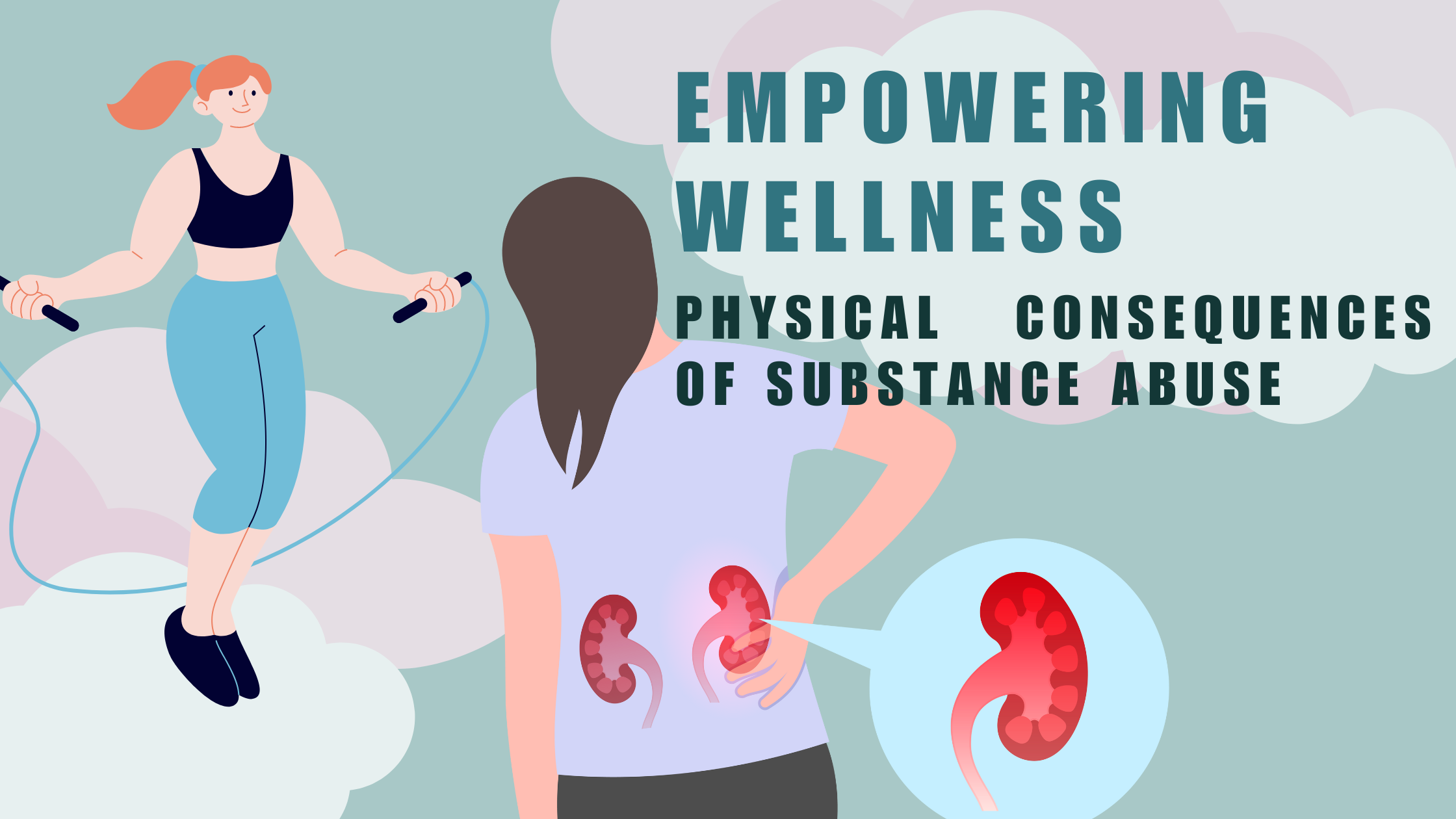
Empowerment health care In a world where substance abuse is a prevalent issue, the toll it takes on physical health often goes overlooked. From the damaging effects on organs to the disruption of essential bodily functions, substance abuse can have far-reaching consequences. However, by understanding the science behind these effects and embracing evidence-based strategies.
The Science of Substance Abuse
Substance abuse encompasses a wide range of addictive substances, including alcohol, opioids, stimulants, and more. Each substance uniquely interacts with the body, hijacking neural pathways and disrupting normal physiological processes. We delve into the neurobiology of addiction, empowerment health care exploring how drugs and alcohol alter brain chemistry and lead to compulsive behaviours. Understanding the neurobiology and physiological effects of substance abuse is crucial for comprehending its impact on physical health. Here are some key points:
-
Neurobiology of Addiction:
- Substance abuse alters the brain’s reward system, leading to compulsive drug-seeking behaviour. Drugs and alcohol hijack neurotransmitters such as dopamine, serotonin, and GABA, disrupting normal brain function.
-
Tolerance and Dependence:
- Continued substance use can lead to tolerance, requiring higher doses to achieve the same effects. Dependence occurs when the body adapts to the presence of the substance, leading to withdrawal symptoms upon cessation.
-
Reward Pathways:
- Drugs and alcohol activate the brain’s reward pathways, reinforcing substance-seeking behaviours. Over time, this can lead to addiction, characterized by compulsive drug use despite negative consequences.
-
Psychological Factors:
- Substance abuse is influenced by psychological factors such as stress, trauma, and mental health disorders. Self-medication may occur as individuals seek relief from emotional distress or psychiatric symptoms.
-
Genetic Predisposition:
- Genetic factors play a role in susceptibility to substance abuse. Certain genes related to neurotransmitter function and reward processing may increase the risk of developing addiction.
-
Impact on Brain Structure and Function:
- Chronic substance abuse can lead to structural and functional changes in the brain, affecting areas involved in decision-making, impulse control, and memory. Long-term use may result in cognitive deficits and impairments in executive function.
-
Gateway Theory:
- The use of certain substances, particularly during adolescence, may serve as a gateway to the use of more potent drugs. This phenomenon is attributed to changes in brain development and susceptibility to addiction.
-
Dual Diagnosis:
- Substance abuse often coexists with mental health disorders such as depression, anxiety, and PTSD. This dual diagnosis presents unique challenges for diagnosis and treatment, requiring integrated approaches that address both conditions simultaneously.
-
Environmental Factors:
- Social and environmental factors such as peer influence, socioeconomic status, and access to substances play a significant role in substance abuse. Prevention efforts must consider these contextual factors to be effective.
Impact on Organ Systems
Substance abuse doesn’t just affect the brain; it wreaks havoc on virtually every organ system in the body. From liver damage caused by alcohol abuse to respiratory problems associated with smoking and lung damage from inhalants, we examine the specific ways in which different substances can compromise physical health. Understanding empowerment health care these effects is crucial for developing targeted interventions and treatment strategies. Here’s an in-depth look at the impact of substance abuse on organ systems:
-
Cardiovascular System:
Alcohol: Chronic alcohol abuse can lead to hypertension, cardiomyopathy, arrhythmias, and an increased risk of stroke and heart failure.
Stimulants: Drugs like cocaine and methamphetamine can cause hypertension, tachycardia, heart attacks, and cardiovascular collapse.
Opioids: Long-term opioid use may lead to bradycardia, hypotension, and respiratory depression, increasing the risk of cardiac arrest.
-
Respiratory System:
Smoking: Tobacco smoke contains numerous toxins that damage the respiratory tract, leading to chronic obstructive pulmonary disease (COPD), lung cancer, and respiratory infections.
Inhalants: Inhalant abuse can cause respiratory depression, hypoxia, and pulmonary toxicity, leading to bronchitis, pneumonia, and irreversible lung damage.
-
Liver:
Alcohol: Alcohol-induced liver disease encompasses fatty liver, alcoholic hepatitis, and cirrhosis. Chronic alcohol abuse can lead to liver fibrosis, liver failure, and an increased risk of hepatocellular carcinoma.
Opioids: Some opioids, particularly when combined with other drugs like acetaminophen, can cause hepatotoxicity and liver damage.
-
Gastrointestinal System:
Alcohol: Alcohol abuse can lead to gastritis, pancreatitis, oesophagal, and gastrointestinal bleeding. Chronic alcohol consumption is a leading cause of pancreatitis, which can be life-threatening.
Opioids: Opioid use can cause constipation, gastrointestinal motility disorders, and opioid-induced bowel dysfunction, leading to chronic abdominal pain and discomfort.
-
Renal System:
Stimulants: Drugs like cocaine and methamphetamine can cause acute kidney injury, renal vasoconstriction, and kidney damage due to rhabdomyolysis and dehydration.
Opioids: Opioid-induced urinary retention and decreased renal perfusion can lead to acute kidney injury and urinary tract infections.
-
Central Nervous System:
All Substances: Substance abuse can have neurotoxic effects, leading to cognitive impairment, memory loss, and neurological disorders such as substance-induced psychosis and neurocognitive disorders.
Opioids: Chronic opioid use can cause opioid-induced hyperalgesia, paradoxical pain sensitivity, and changes in pain processing pathways in the brain.
-
Endocrine System:
Alcohol: Chronic alcohol abuse disrupts hormonal balance, leading to hypogonadism, infertility, adrenal insufficiency, and metabolic disturbances such as insulin resistance and diabetes.
Opioids: Opioid use can suppress the hypothalamic-pituitary-adrenal (HPA) axis, leading to hormonal imbalances, including decreased testosterone levels in men and irregular menstrual cycles in women.
Addressing Co-occurring Conditions
Substance abuse often coexists with other physical and mental health conditions, complicating diagnosis and treatment. We explore the link between substance abuse and conditions such as depression, anxiety, and chronic pain, highlighting the importance of integrated care approaches that address both substance use disorders and co-occurring conditions simultaneously. Here’s a closer look at how addressing co-occurring conditions is crucial in comprehensive care:
-
Mental Health Disorders:
- Substance abuse frequently occurs alongside mental health disorders such as depression, anxiety, bipolar disorder, and post-traumatic stress disorder (PTSD). Individuals may turn to drugs or alcohol as a form of self-medication to alleviate symptoms or cope with underlying psychological distress.
-
Integrated Care Approaches:
- Treating substance use disorders and co-occurring mental health conditions requires an integrated approach that addresses both aspects simultaneously. Integrated care models involve collaboration between substance abuse treatment providers and mental health professionals to ensure comprehensive assessment and tailored treatment plans.
-
Dual Diagnosis Treatment Programs:
- Dual diagnosis treatment programs are specifically designed to address the unique needs of individuals with co-occurring substance use and mental health disorders. These programs offer integrated interventions, including psychotherapy, medication management, and support groups, to address both conditions effectively.
-
Trauma-Informed Care:
- Many individuals with co-occurring substance abuse and mental health disorders have a history of trauma, such as childhood abuse, neglect, or other adverse experiences. Trauma-informed care approaches recognize the impact of trauma on individuals’ well-being and incorporate trauma-sensitive interventions to promote healing and recovery.
-
Medication Management:
- Pharmacotherapy may be an integral component of treating co-occurring conditions, particularly for individuals with severe mental health disorders such as schizophrenia or bipolar disorder. Psychiatric medications can help stabilize mood, reduce symptoms, and support recovery when used in conjunction with other therapeutic interventions.
Harm Reduction Strategies
In the face of substance abuse, harm reduction strategies offer a compassionate and pragmatic approach to minimizing the negative consequences of drug and alcohol use. Empowerment health care from needle exchange programs to supervised consumption sites, we examine evidence-based harm reduction interventions that have been shown to reduce the spread of infectious diseases, prevent overdose deaths, and promote safer substance use practices.
Treatment and Recovery
Recovery from substance abuse is a journey that requires comprehensive support and personalized interventions. We explore health care the continuum of care, from detoxification and inpatient rehabilitation to outpatient therapy and peer support groups.
By understanding empowerment health care the science behind substance abuse and embracing evidence-based strategies for prevention, harm reduction, and treatment.
Resources:
- National Institute on Drug Abuse – https://www.drugabuse.gov/
- Substance Abuse and Mental Health Services Administration – https://www.samhsa.gov/
- Centres for Disease Control and Prevention – https://www.cdc.gov/
- World Health Organization – https://www.who.int/
- American Addiction Centers – https://americanaddictioncenters.org/
- National Alliance on Mental Illness – https://www.nami.org/
- PubMed – https://pubmed.ncbi.nlm.nih.gov/