Prevention from Suicide, Addiction, Narcotics and Pollution. Withdrawal and Recovery Facts of Narcotics | Symptoms of Suicidal thoughts & Ideations | Effects of Environment Pollution | Understand Addiction withdrawal
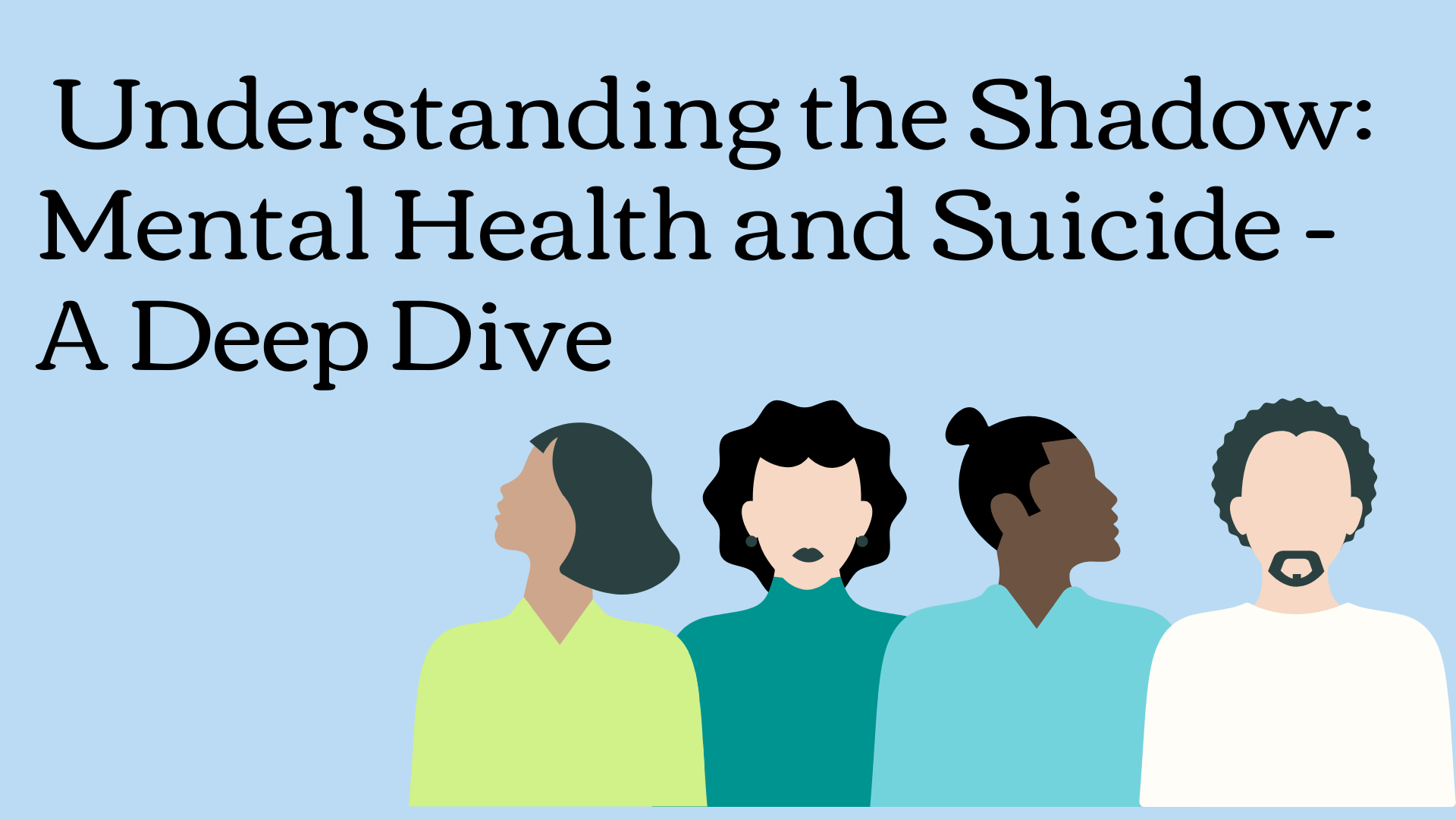
Mental health, often described as the foundation for our emotional, psychological, and social well-being. It governs how we feel, think, and react to situations, influencing our decisions, relationships, and ability to cope with stress.
Unfortunately, this foundation can become shaky, leading to struggles and vulnerabilities. One such potent consequence is suicide, a public health concern that tragically claims countless lives globally.
Exploring the Risk Factors: A Complex Web of Influences
Suicide is a complex phenomenon, rarely arising from a single cause. While the specific factors vary, certain categories emerge as significant contributors:
1. Mental Health Conditions:
Mental health conditions, particularly those characterized by intense emotional distress, can significantly elevate the risk of suicide. Studies have established robust connections between suicide and disorders like:
- Depression: Characterized by persistent sadness, hopelessness, and loss of interest in activities once enjoyed, depression can create a sense of worthlessness and fuel thoughts of suicide as a means of escape.
- Anxiety Disorders: These disorders, often marked by excessive worry, fear, and physical symptoms, can contribute to social isolation and a diminished sense of control, increasing the risk of suicide attempts.
- Bipolar Disorder: Characterized by fluctuating moods between extreme highs (mania) and lows (depression), bipolar disorder can lead to impulsive and risky behavior during manic episodes, which can increase the risk of suicide attempts.
- Substance Abuse: Substances like alcohol and drugs can distort thinking patterns, impair judgment, and exacerbate underlying mental health conditions, further increasing the risk of suicidal thoughts and actions.
2. Social and Environmental Factors:
Beyond mental health disorders, social and environmental factors can also contribute to the risk of suicide. These include:
- Social Isolation: Feeling alone, disconnected from loved ones, and lacking a sense of belonging can create a sense of hopelessness and emptiness, making individuals more vulnerable to suicidal ideation.
- Stressful Life Events: Major life stressors, such as job loss, financial difficulties, relationship breakdown, or the death of a loved one, can overwhelm individuals and push them to their emotional limits, increasing the risk of suicide.
- Childhood Trauma: Childhood experiences of abuse, neglect, or bullying can have long-lasting negative consequences, including increased vulnerability to mental health problems and an increased risk of suicide attempts later in life.
- Access to Lethal Means: The presence of firearms, medications, or other potentially lethal means readily available in the environment can significantly decrease the time between suicidal thoughts and attempts, increasing the risk of completion.
3. Biological Factors:
Understood than mental health and social factors, suggests that biological factors may also play a role in suicide risk. These include:
- Genetics: Studies have identified a potential genetic link to an increased risk of suicide, suggesting that some individuals may be predisposed to certain mental health conditions that place them at higher risk.
- Neurotransmitters: Imbalances in brain chemicals like serotonin and dopamine, which play a role in mood regulation, may be associated with an increased risk of suicide, particularly in individuals with depression and anxiety disorders.
The Critical Role of Mental Health Care: Seeking Help and Finding Hope
It’s crucial to remember that suicide is not inevitable. The face of significant risk factors, effective interventions and support can significantly reduce the likelihood of suicide attempts and lives.
Mental health care plays a vital role in this process. Individuals struggling with mental health conditions, suicidal thoughts, or emotional distress can access essential services such as:
- Therapy: Various psychotherapy approaches can help individuals understand their thoughts and feelings, develop coping mechanisms for managing stress and negative emotions, and build resilience to cope with life challenges.
- Medication: In certain cases, medication can be prescribed to address specific mental health symptoms, such as depression or anxiety, potentially reducing the intensity of suicidal thoughts and improving overall well-being.
- Support Groups: Connecting with others who share similar experiences can provide a sense of belonging, validation, and hope, fostering a sense of community and reducing feelings of isolation.
Breaking the Silence: Fostering Open Communication and Reducing Stigma
One significant barrier to seeking help is the stigma often associated with mental health and suicide. This stigma can prevent individuals from acknowledging their struggles and seeking the support they desperately need.
Therefore, fostering open communication and actively challenging the stigma surrounding mental health is crucial. Here are some ways we can contribute to this effort:
- Educate ourselves: Learning about mental health and suicide risk factors can help us recognize warning signs in ourselves or
others and encourage seeking help.
- Normalize conversations about mental health: Talking openly about our own challenges and experiences can help break down the stigma and encourage others to do the same.
- Challenge negative stereotypes: Recognizing and challenging harmful misconceptions about mental health and suicide can help create a more understanding and supportive environment.
- Be supportive and understanding: If you know someone struggling with their mental health or suicidal thoughts, offer them a listening ear, non-judgmental support, and encourage them to seek professional help.
Conclusion: A Collective Responsibility – Building a Brighter Future
Mental health and suicide are intertwine, demanding a approach. By understanding the risk factors, seeking professional help, fostering open communication, building supportive networks, and investing in necessary resources.
-
Remember: If you or someone you know is struggling with suicidal thoughts, help is available. Please reach out to a crisis hotline or mental health professional. You are not alone.
Additional Resources:
- National Alliance on Mental Illness (NAMI): https://www.nami.org/Home
- World Health Organization (WHO) – Mental Health: https://www.who.int/health-topics/mental-healthNote: This blog post is for informational purposes only and should not be construed as medical advice. If you are concerned about your mental health or the mental health of someone you know, please seek professional help.