Prevention from Suicide, Addiction, Narcotics and Pollution. Withdrawal and Recovery Facts of Narcotics | Symptoms of Suicidal thoughts & Ideations | Effects of Environment Pollution | Understand Addiction withdrawal
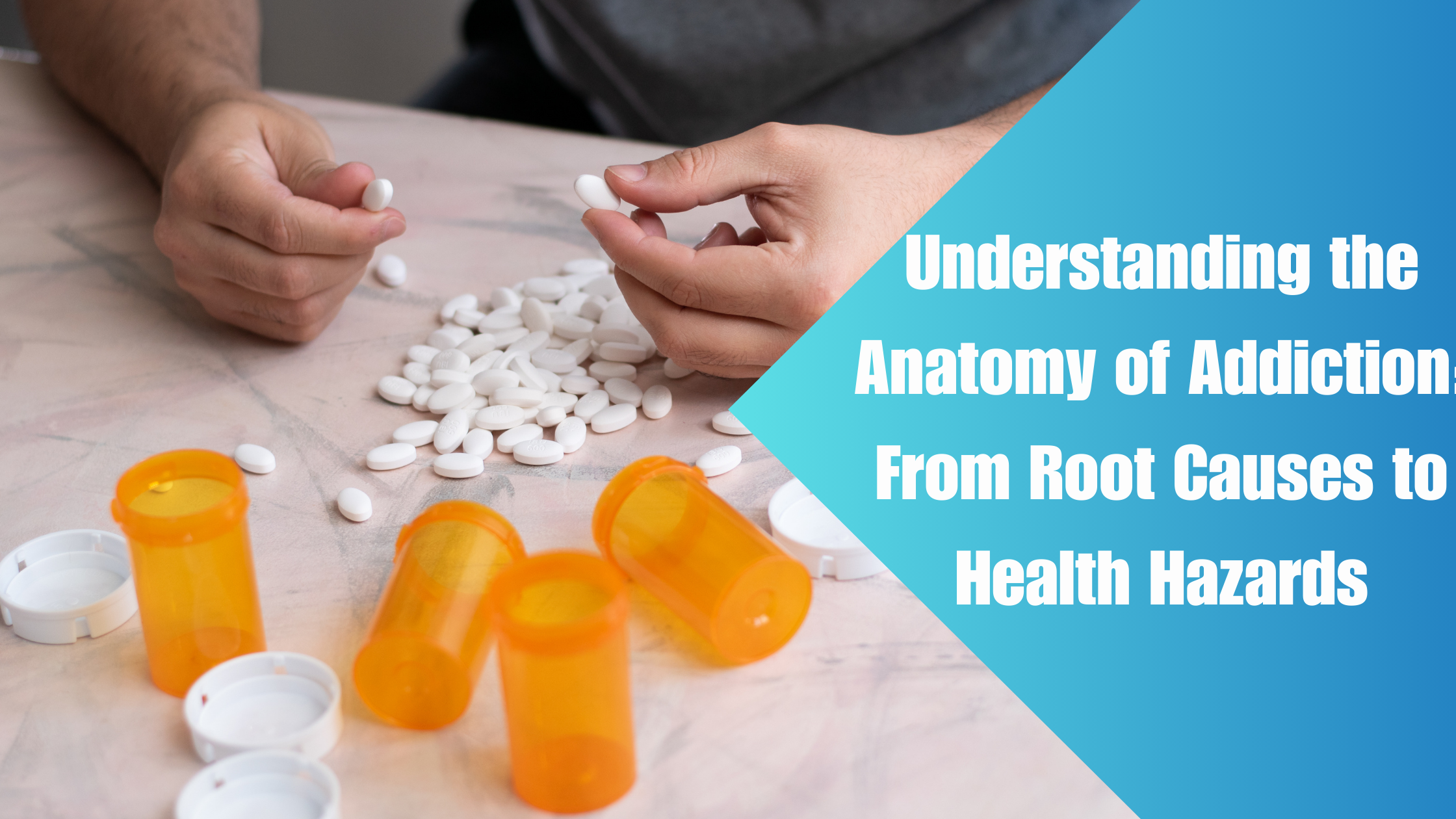
Addiction is a multifaceted issue that affects millions worldwide, transcending demographics and socioeconomic boundaries. In this comprehensive guide, we’ll dissect the anatomy of addiction, its root causes and shedding light on the various health. By understanding the intricacies of addiction, we empower ourselves to address it more effectively, individual and societal level.
Unravelling the Complexity
The Anatomy of addiction is not merely a matter of willpower it’s a complex interplay of biological, psychological. We must delve into each component and understand how they intertwine to form the fabric of addiction.
Genetic Predisposition: The Silent Influence
Genetic predisposition plays a significant role in addiction susceptibility, with certain individuals inheriting genetic variations that make them more vulnerable. Understanding one’s genetic predisposition can provide valuable insights into one’s susceptibility to addiction and inform personalized prevention strategies.
Environmental Triggers: Nurturing Addiction
Environmental factors, such as upbringing, peer influence, and exposure to trauma, can significantly impact addiction risk. The anatomy of addiction external triggers shape an individual’s worldview and coping mechanisms, laying the groundwork for addictive.
Neurochemical Imbalance: The Hijacked Brain
Addiction hijacks the brain’s reward system, leading to profound neurochemical imbalances. Dopamine, a neurotransmitter associated with pleasure and reward, becomes dysregulated, perpetuating addictive behaviours and creating a vicious cycle of cravings and consumption.
Psychological Vulnerability: Escaping Reality
Underlying psychological issues, such as trauma, anxiety, or depression, can fuel addictive behaviours as individuals seek solace or escape from their emotional pain. Addressing these psychological vulnerabilities is crucial for effective addiction treatment and recovery.
The Devastating Health Hazards
Addiction doesn’t just affect the mind; it takes a significant toll on physical health, leading to a myriad of complications and co-occurring disorders. From substance-specific dangers to overarching health risks, the hazards of addiction are far-reaching and profound.
Substance-Specific Risks: A Lethal Arsenal
Each addictive substance poses unique health risks, ranging from the acute dangers of overdose to the long-term consequences of chronic use. Whether it’s the respiratory depression caused by opioids or the neurotoxic effects of methamphetamine, the dangers associated with substance abuse are extensive and varied.
Mental Health Comorbidities: A Dual Battle
Addiction often coexists with mental health disorders, creating a complex web of challenges for individuals seeking recovery. Conditions such as depression, anxiety, and PTSD frequently intertwine with addiction, exacerbating symptoms and hindering treatment outcomes.
Physical Complications: Beyond the Surface
Prolonged substance abuse takes a severe toll on the body, leading to a plethora of physical complications ranging from cardiovascular disease to liver damage. These health issues not only diminish the quality of life but also increase the risk of mortality among individuals struggling with addiction.
Social and Economic Fallout: Breaking the Cycle
The ramifications of addiction extend far beyond individual health, permeating into the social and economic fabric of communities. From strained relationships to financial instability, addiction wreaks havoc on all aspects of life, perpetuating a cycle of adversity and hardship.
Navigating the Road to Recovery
Despite the daunting challenges posed by addiction, recovery is possible with the right support, resources, and determination. By adopting a holistic approach that addresses the underlying causes of addiction while providing comprehensive care, individuals can reclaim their lives and embark on a journey of healing and transformation.
Holistic Treatment Modalities: Healing the Whole Self
Effective addiction treatment goes beyond symptom management; it seeks to heal the whole person, addressing their physical, emotional, and spiritual needs. From therapy and support groups to alternative modalities such as yoga and mindfulness, holistic approaches offer a multifaceted path to recovery.
Support Systems: Strength in Community
Building a robust support network is essential for sustaining long-term recovery. Whether it’s through family, friends, or peer support groups, having a strong support system can provide encouragement, accountability, and solidarity on the journey to sobriety.
Lifestyle Modifications: Embracing Change
Recovery is not just about abstaining from substances; it’s about adopting a healthier lifestyle that promotes overall well-being.
Relapse Prevention Strategies: Fortifying Resilience
Relapse is a common part of the recovery process, but it doesn’t have to be a setback. By equipping individuals with effective coping skills, stress management techniques, and relapse prevention strategies, we empower them to navigate triggers and cravings with resilience and determination.
FAQs
Q: What are the primary root causes of addiction?
A: Addiction stems from a combination of genetic predisposition, environmental influences, neurochemical imbalances, and psychological vulnerabilities.
Q: How do lifestyle modifications contribute to recovery?
A: Lifestyle modifications such as a healthy diet, regular exercise, and stress management techniques support recovery by promoting overall well-being and reducing the risk of relapse.
Q: What role do support systems play in addiction recovery?
A: Support systems provide encouragement, accountability, and solidarity on the journey to recovery, helping individuals navigate challenges and stay committed to their sobriety goals.
Q: What are some common relapse triggers to be aware of?
A: Common relapse triggers include stress, negative emotions, social pressure, exposure to addictive cues, and complacency in recovery efforts.