Prevention from Suicide, Addiction, Narcotics and Pollution. Withdrawal and Recovery Facts of Narcotics | Symptoms of Suicidal thoughts & Ideations | Effects of Environment Pollution | Understand Addiction withdrawal

The 7 Types of Pollution & Their Impact
When we hear the word “pollution,” images of smokestacks, plastic-filled oceans, or littered landscapes often come to mind. While these are significant issues, pollution is a much broader problem that affects our planet in many different ways. It occurs when harmful substances or energy forms, known as pollutants, are introduced into the natural environment, causing adverse change.
Understanding the different forms of pollution is the first step toward finding effective solutions. This guide will walk you through the seven major types of pollution, explaining their sources, their effects on our health and the environment, and why addressing them is so critical. By learning more about these issues, we can better understand the challenges we face and the actions we can take to protect our world.
Air Pollution
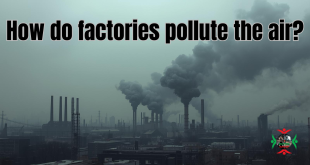
Air pollution refers to the release of pollutants into the air that are harmful to human health and the planet as a whole. It’s one of the most visible and dangerous forms of pollution.
Sources
The sources of air pollution are diverse. They can be broken down into human activities and natural events.
- Human Sources: The biggest contributor is the burning of fossil fuels like coal, oil, and natural gas for energy and transportation. Industrial processes, manufacturing plants, and chemical production release a variety of harmful gases and particulate matter. Agricultural activities, including the use of fertilizers and pesticides, also contribute.
- Natural Sources: Wildfires, volcanic eruptions, and dust storms can release large amounts of particulate matter and gases into the atmosphere.
Effects
The consequences of air pollution are severe. For humans, it can lead to respiratory problems like asthma and bronchitis, heart disease, and even cancer. The tiny particles can enter our lungs and bloodstream, causing widespread damage. Environmentally, air pollution is a primary driver of acid rain, which damages forests and lakes. It also contributes to the depletion of the ozone layer and is a major factor in global climate change.
Water Pollution
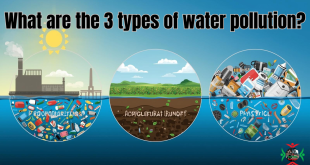
Water pollution happens when harmful substances contaminate a body of water, such as a river, lake, ocean, or groundwater. This contamination degrades the water quality and makes it toxic for humans or the environment.
Sources
Like air pollution, water pollution comes from a variety of sources.
- Industrial Waste: Factories and industrial plants often discharge chemicals and pollutants directly into nearby water sources.
- Agricultural Runoff: Fertilizers, pesticides, and animal waste from farms and livestock operations wash into rivers and lakes, leading to an overgrowth of algae that depletes oxygen in the water (a process called eutrophication).
- Sewage and Wastewater: Untreated or inadequately treated sewage from households and cities can introduce harmful bacteria and pathogens into the water supply.
- Oil Spills: Accidental oil spills from tankers and drilling rigs can have devastating effects on marine ecosystems.
Effects
Water pollution poses a direct threat to aquatic life, leading to the death of fish, birds, and other marine animals. It also contaminates drinking water sources, causing diseases like cholera, typhoid, and dysentery in human populations. The long-term impact on ecosystems can be irreversible, destroying habitats and disrupting the food chain.
Land Pollution
Land pollution is the degradation of Earth’s land surfaces, often caused by human activities. It involves the deposition of solid or liquid waste materials on land or underground in a way that can contaminate the soil and groundwater.
Sources
The primary sources of land pollution are linked to waste disposal and industrial activity.
- Waste Disposal: Landfills are a major source, as they can leak harmful chemicals into the soil. Improper disposal of household and commercial waste contributes significantly.
- Industrial Activities: Mining, construction, and manufacturing can release heavy metals and toxic chemicals that contaminate the soil.
- Agriculture: The overuse of pesticides and chemical fertilizers can strip the soil of its natural nutrients and introduce harmful substances.
Effects
Land pollution can have serious effects on agriculture by reducing soil fertility and making land unsuitable for growing crops. This can impact food security. It also destroys natural habitats for wildlife and can contaminate groundwater, which many communities rely on for drinking.
Noise Pollution
Noise pollution refers to harmful or annoying levels of noise, typically from human activity, that disrupt the natural balance. While it might seem less severe than other forms of pollution, it has significant impacts.
Sources
The modern world is filled with sources of noise pollution.
- Transportation: Cars, airplanes, and trains are major contributors.
- Construction: The sound of construction sites, including machinery and tools, can be disruptive.
- Industrial Activity: Factories and industrial plants produce constant noise.
- Urban Life: Loud music, events, and general city sounds add to the problem.
Effects
In humans, prolonged exposure to noise pollution can cause stress, sleep disturbances, high blood pressure, and even hearing loss. For wildlife, it can interfere with communication and navigation, disrupting mating and migration patterns.
Light Pollution
Light pollution is the presence of excessive, misdirected, or obtrusive artificial light. It’s a growing problem, especially in urban areas.
Sources
The primary sources are man-made.
- Streetlights: Poorly designed streetlights often cast light upwards into the sky instead of down onto the ground.
- Buildings: Exterior and interior lighting from commercial and residential buildings contributes significantly.
- Advertising: Billboards and other forms of outdoor advertising are often brightly lit.
Effects
Light pollution disrupts the natural day-night cycle, which can affect the behavior of nocturnal animals. It also interferes with astronomical research by obscuring the view of stars and other celestial bodies. For humans, it can disrupt sleep patterns and has been linked to some health issues.
Thermal Pollution
Thermal pollution is the degradation of water quality by any process that changes the ambient water temperature. A common cause is the use of water as a coolant by power plants and industrial manufacturers.
Sources
- Power Plants: Nuclear and electric power plants use water to cool their systems and then release the warmer water back into rivers or oceans.
- Industrial Manufacturers: Similar to power plants, various industrial processes use water as a coolant.
- Urban Runoff: Runoff from hot asphalt and pavement can also increase the temperature of nearby water bodies.
Effects
When warm water is returned to the natural environment, it has a lower oxygen level. This can harm aquatic life, as many species are sensitive to small changes in temperature and oxygen. This can lead to fish kills and disrupt the entire local ecosystem.
Radioactive Pollution
Radioactive pollution is the presence or deposition of radioactive substances in the environment, where their presence is accidental and poses a threat to life.
Sources
- Nuclear Power Plants: Accidents, leaks, or improper disposal of nuclear waste can release radioactive materials.
- Mining: The mining of uranium and other radioactive ores can contaminate the surrounding soil and water.
- Military Activities: The production and testing of nuclear weapons are major sources.
Effects
Exposure to radioactive pollution can cause severe health problems in humans, including cancer, genetic mutations, and other long-term illnesses. It can also have devastating and long-lasting effects on the environment, rendering large areas of land uninhabitable for centuries.
Taking Action for a Cleaner Planet
From the air we breathe to the water we drink, pollution affects every aspect of our lives and our planet’s health. The seven types of pollution—air, water, land, noise, light, thermal, and radioactive—each present unique challenges that require targeted solutions. Recognizing their sources and understanding their impacts are crucial steps. As individuals and as a global community, we have a responsibility to reduce our environmental footprint through conscious consumption, supporting sustainable practices, and advocating for stronger environmental regulations.