Prevention from Suicide, Addiction, Narcotics and Pollution. Withdrawal and Recovery Facts of Narcotics | Symptoms of Suicidal thoughts & Ideations | Effects of Environment Pollution | Understand Addiction withdrawal
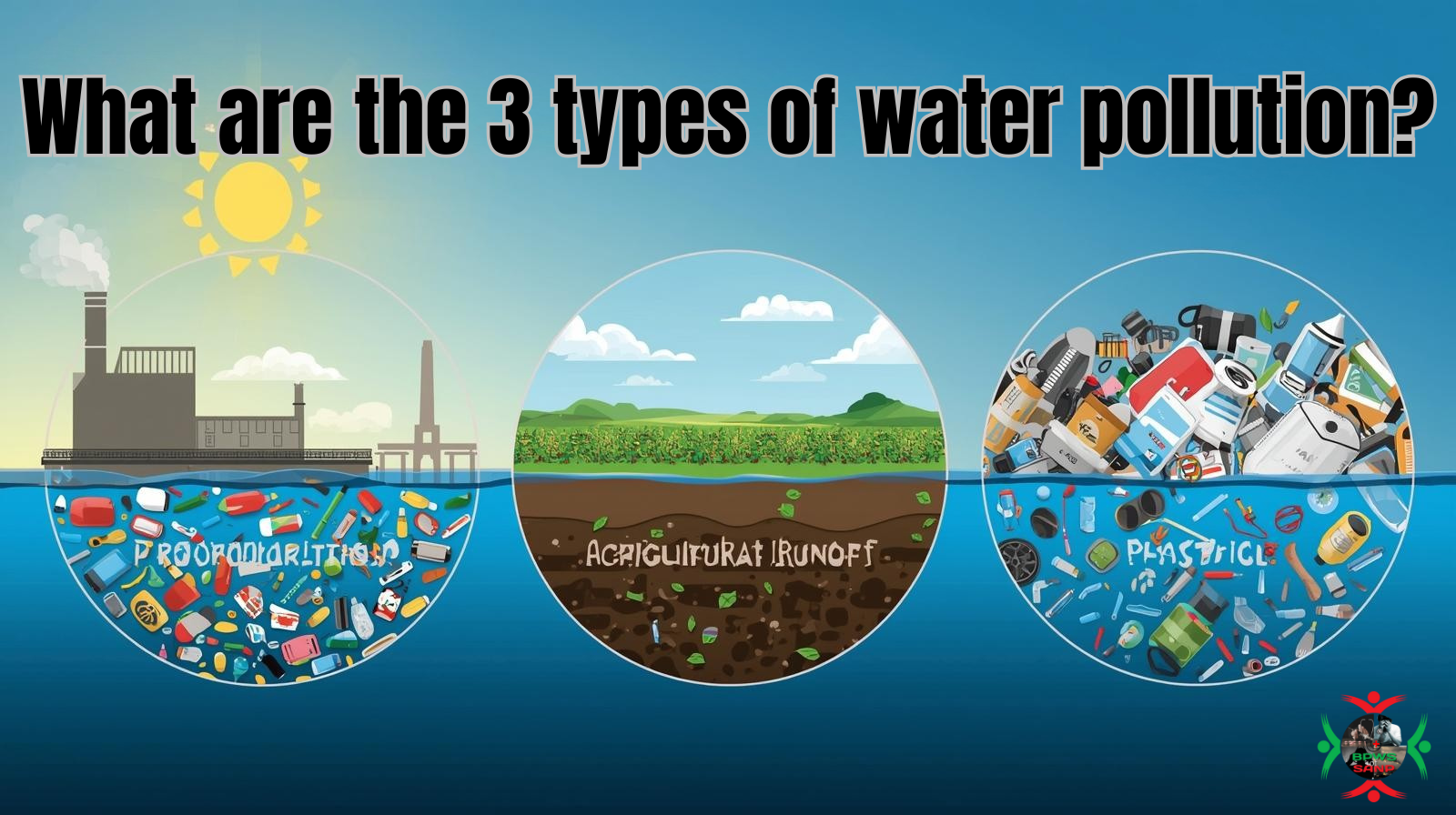 What Are the 3 Types of Water Pollution? (And How to Stop Them)
Water is the lifeblood of our planet. It sustains ecosystems, nourishes agriculture, and is essential for human survival. Yet, despite its critical importance, our water sources are under constant threat. From glistening rivers to vast oceans, contaminants are silently altering the chemistry and biology of our most precious resource.
Water pollution isn’t just a single issue; it’s a complex problem with many faces. While we might picture an oil spill or floating plastic bottles, contamination often occurs in ways we cannot see with the naked eye. To effectively combat this global crisis, we first need to understand what we are fighting.
Generally, water pollution falls into three distinct categories: chemical, physical, and biological. Each type has unique sources, impacts, and solutions. This guide explores these three major types of water pollution, examining how they occur and the steps we can take to protect our waters for future generations.
Chemical Water Pollution
Chemical pollution is perhaps the most insidious form of contamination because it is often invisible. It occurs when harmful chemicals are introduced into water bodies, altering their natural composition. These substances can persist in the environment for years, accumulating in the food chain and posing severe health risks.
Understanding Chemical Pollutants
Chemical pollutants range from synthetic compounds created in laboratories to naturally occurring elements that become toxic in high concentrations. Once these chemicals enter a waterway, they can dissolve, float on the surface, or settle into the sediment, making cleanup incredibly difficult.
Common examples include:
- Pesticides and Herbicides: Chemicals used in agriculture to kill pests and weeds often wash into nearby streams and rivers.
- Heavy Metals: Elements like lead, mercury, arsenic, and cadmium are highly toxic even in small amounts.
- Industrial Solvents: Chemicals used in manufacturing and cleaning processes.
- Pharmaceuticals: Residues from medications that pass through the human body or are flushed down toilets.
Sources of Contamination
The primary drivers of chemical pollution are often industrial and agricultural activities.
Agricultural Runoff is a major contributor. When it rains, excess fertilizers and pesticides are washed from fields into waterways. This runoff carries nitrogen and phosphorus, nutrients that can trigger harmful algal blooms.
Industrial Discharge is another significant source. Factories and manufacturing plants sometimes release treated or untreated wastewater directly into rivers and oceans. This effluent can contain a cocktail of hazardous substances. Additionally, mining operations can leach heavy metals into groundwater and surface water.
The Ripple Effect
The impact of chemical pollution is far-reaching. For aquatic life, exposure can lead to reproductive failure, physiological damage, and death. Heavy metals like mercury bioaccumulate in fish, meaning the concentration increases as you move up the food chain. When humans consume contaminated seafood, they risk neurological damage and other severe health issues. Furthermore, chemical pollutants can render drinking water sources unsafe, requiring expensive and complex treatment processes to make the water potable again.
Physical Water Pollution
When we think of “dirty” water, we often picture physical pollution. This category involves the introduction of physical materials that impact water quality, clarity, and habitat structure. Unlike chemical pollution, physical pollutants are tangible and visible.
What constitutes physical pollution?
Physical pollution is not just about trash. It encompasses any solid material or physical change that degrades water quality.
Key examples include:
- Sediment: Soil particles, sand, and clay suspended in water.
- Plastic Waste: Bottles, bags, microplastics, and discarded fishing gear.
- Thermal Pollution: A change in water temperature, usually caused by human influence.
- Organic Debris: Excessive amounts of plant matter or logging waste.
Where does it come from?
Sedimentation often results from land disturbance. Construction sites, deforestation, and agricultural tillage loosen topsoil, which is then carried away by rain into rivers and lakes.
Plastic waste enters waterways through littering, illegal dumping, and inadequate waste management systems. Once in the water, plastics break down into microplastics, which permeate every corner of the ocean.
Thermal pollution typically stems from power plants and industrial facilities that use water for cooling. When this water is returned to the source at a higher temperature, it disrupts the local ecosystem. Deforestation along riverbanks also contributes, as the lack of shade allows the sun to heat the water excessively.
Consequences for the Environment
Physical pollution dramatically alters aquatic environments.
- Turbidity: High levels of sediment make water cloudy (turbid), blocking sunlight. This prevents aquatic plants from photosynthesizing, reducing the oxygen available for fish and other organisms.
- Habitat Destruction: Sediment can settle on the bottom, smothering fish eggs and burying the habitats of bottom-dwelling creatures.
- Ingestion and Entanglement: Marine animals frequently mistake plastic for food or become entangled in it, leading to starvation and suffocation.
- Thermal Shock: Sudden changes in temperature can kill fish directly (thermal shock) or alter their metabolism and breeding cycles. Warmer water also holds less oxygen, further stressing aquatic life.
Biological Water Pollution
Biological pollution refers to the presence of harmful microorganisms—pathogens—in water. While bacteria and viruses are natural parts of any ecosystem, their introduction in high concentrations poses immediate and severe risks to health.
The Invisible Threat
Biological pollutants are living organisms that can cause disease. They are the primary reason why drinking untreated water from a river or lake is dangerous.
Common biological pollutants include:
- Bacteria: Such as E. coli, Salmonella, and Cholera.
- Viruses: Including Hepatitis A, Polio, and Rotavirus.
- Parasites: Such as Giardia and Cryptosporidium.
Sources of Biological Contamination
The most common source of biological pollution is untreated or inadequately treated sewage. When wastewater treatment plants overflow or malfunction, raw sewage containing human waste enters water bodies.
Animal waste is another major culprit. Runoff from livestock farms (Confined Animal Feeding Operations) carries manure into streams. Similarly, wildlife and pet waste in urban areas contribute to the bacterial load in storm drains that feed into rivers.
Health and Ecological Impact
The primary concern with biological pollution is human health. Waterborne diseases are a leading cause of death worldwide, particularly in developing regions with poor sanitation infrastructure. Drinking or swimming in contaminated water can cause severe gastrointestinal illness, dehydration, and potentially fatal infections.
For aquatic life, the influx of organic matter (like sewage) also leads to oxygen depletion. As bacteria break down the waste, they consume the oxygen in the water, creating “dead zones” where fish and other aquatic animals cannot survive.
Strategies for a Cleaner Future
Solving the water pollution crisis requires a multi-pronged approach tackling chemical, physical, and biological contaminants simultaneously.
Reducing Chemical Contamination
- Sustainable Agriculture: Farmers can adopt Integrated Pest Management (IPM) to reduce pesticide use and plant buffer zones along waterways to filter runoff.
- Green Chemistry: Industries can transition to less toxic manufacturing processes and improve on-site wastewater treatment technologies.
- Strict Regulations: Governments must enforce stricter limits on industrial discharge and hold polluters accountable.
Managing Physical Pollutants
- Erosion Control: Using silt fences at construction sites and engaging in reforestation projects helps keep soil in place and out of rivers.
- Plastic Reduction: Reducing single-use plastics, improving recycling infrastructure, and organizing community cleanups are essential to combat plastic waste.
- Cooling Towers: Power plants can use cooling towers to lower the temperature of water before releasing it back into the environment to prevent thermal pollution.
Combating Biological Hazards
- Wastewater Infrastructure: Investing in modern sewage treatment plants and repairing aging pipe infrastructure is critical to preventing sewage leaks.
- Sanitation: Improving access to proper sanitation facilities worldwide reduces the direct contamination of water sources.
- Manure Management: Farmers can use lined lagoons and composting methods to manage animal waste effectively, preventing it from leaching into groundwater.
Protecting Our Most Vital Resource
Water pollution is a complex challenge classified into three main types: chemical, physical, and biological. Whether it is the invisible toxins from a factory, the sediment choking a stream, or the bacteria in untreated sewage, each type of pollution threatens the delicate balance of our ecosystems and our own health.
Addressing these issues is not just the responsibility of governments and industries; it requires collective action. By understanding the specific nature of these pollutants, we can advocate for better policies, support sustainable practices, and make personal choices that reduce our environmental footprint. The path to clean water starts with awareness and ends with action.