Prevention from Suicide, Addiction, Narcotics and Pollution. Withdrawal and Recovery Facts of Narcotics | Symptoms of Suicidal thoughts & Ideations | Effects of Environment Pollution | Understand Addiction withdrawal
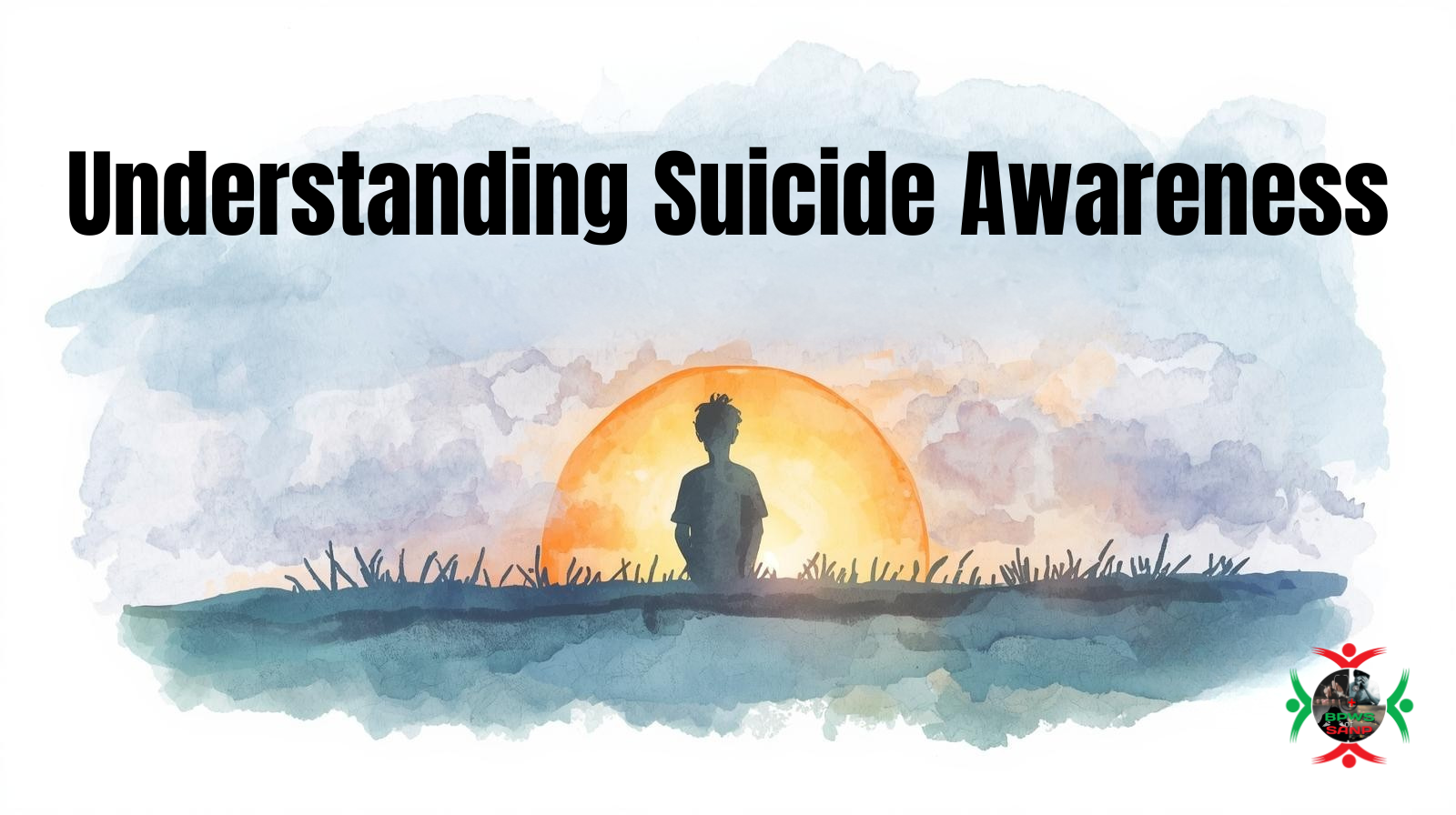 Beyond the Silence: Understanding Suicide Awareness and Prevention
Suicide is a word that often stops a conversation in its tracks. It carries a heavy weight, loaded with stigma, fear, and a profound sense of loss. Yet, it is one of the most critical public health issues facing our society today. Silence does not protect people; awareness does. By understanding the complexities of suicide, we can begin to dismantle the stigma surrounding it and create communities where people feel safe asking for help.
This is not an easy topic to navigate. It touches the lives of millions, from those who struggle with suicidal thoughts to the friends and families left behind. But avoiding the subject only perpetuates the isolation that fuels the problem. The purpose of this guide is to shed light on the reality of suicide, explore the factors that contribute to it, and—most importantly—equip you with the knowledge to recognize when someone is in pain and how to offer support. Awareness is the first step toward prevention, and it starts with a willingness to look at the hard truths.
The Reality of the Crisis
While individual stories vary, the collective impact of suicide is undeniable. It is a major cause of death globally, affecting individuals of all ages, races, and socioeconomic backgrounds. It is not limited to any single demographic or region; it is a human issue that transcends borders and cultures.
For every life lost to suicide, there are many more individuals who attempt it or suffer from intense suicidal ideation. This ripple effect extends outward, impacting families, friends, colleagues, and entire communities. The emotional toll is immeasurable, often leaving survivors with complex grief and unanswered questions.
Understanding the scale of the issue is vital because it highlights a crucial truth: if you are struggling, or if you know someone who is, you are not alone. This is a widespread health crisis, not a personal failure. Acknowledging the prevalence of suicide helps shift the narrative from one of shame to one of public health and collective responsibility.
Recognizing the Risk Factors
Suicide rarely has a single cause. It is usually the result of a complex interplay of genetic, psychological, social, and environmental factors. Identifying these risk factors does not mean we can predict who will attempt suicide, but it does help us understand who might be more vulnerable.
Mental Health Conditions
The most significant risk factor is often untreated or undiagnosed mental health conditions. Depression, bipolar disorder, anxiety disorders, and schizophrenia are frequently associated with suicide. However, it is important to remember that the vast majority of people living with mental health conditions do not die by suicide. The risk arises when these conditions cause overwhelming pain and hopelessness that the individual feels they cannot escape.
Substance Abuse
Substance use disorders are strongly linked to suicide risk. Drugs and alcohol can exacerbate depressive symptoms, lower inhibitions, and increase impulsivity. For someone already struggling with emotional pain, intoxication can be the catalyst that turns a thought into an action.
Trauma and History
A history of trauma, such as physical or sexual abuse, combat exposure, or witnessing violence, significantly increases vulnerability. Furthermore, a family history of suicide or previous suicide attempts by the individual are strong predictors of future risk. Environmental stressors, such as bullying, unemployment, relationship breakdowns, or financial crises, can also act as triggers for those already at risk.
Spotting the Warning Signs
While risk factors deal with long-term vulnerabilities, warning signs are immediate indicators that someone might be in danger. These signs can be subtle or overt, and they often manifest in changes in behavior, mood, or speech.
Verbal Cues
Sometimes, people tell us exactly how they are feeling, but we might miss the subtext. Direct statements like “I want to die” or “I wish I were dead” should always be taken seriously. However, indirect comments can be just as telling. Phrases like “I feel like a burden to everyone,” “You’d be better off without me,” or “I have no reason to live” are clear indicators of hopelessness and despair.
Behavioral Changes
Watch for significant shifts in how a person acts. This might look like:
- Withdrawal: Pulling away from friends, family, and social activities they once enjoyed.
- giving away possessions: Giving away prized belongings or putting affairs in order without a logical reason.
- Recklessness: engaging in risky behaviors, such as driving dangerously or increasing substance use.
- Sleep changes: Sleeping all day or being unable to sleep at all.
- Farewells: saying goodbye to people as if they won’t be seen again.
Mood Fluctuations
Extreme mood swings are a common red flag. A person might swing from deep depression to agitation or rage. Paradoxically, a sudden sense of calm or improvement after a period of severe depression can also be a warning sign. This “sudden recovery” may indicate that the person has made a decision to end their life and feels a sense of relief at having a plan.
How to Help Someone at Risk
If you recognize these signs in a friend, family member, or colleague, it can be terrifying. You may worry about saying the wrong thing or making the situation worse. But the most dangerous action is inaction. Here is how you can step in.
Ask Directly
There is a common myth that asking someone about suicide will plant the idea in their head. Research shows this is false. Asking directly, “Are you thinking about suicide?” shows that you see their pain and that you are willing to have a difficult conversation. It can provide a sense of relief to the person who has been carrying that secret alone.
Listen Without Judgment
If they say yes, your primary job is to listen. Avoid arguing, debating the value of life, or offering quick fixes like “Look on the bright side.” These responses can make a person feel unheard or invalidated. Instead, offer empathy. Say things like, “I’m so sorry you’re in this much pain,” or “I’m here with you, and I want to understand what you’re going through.”
Keep Them Safe
If you believe someone is in immediate danger, do not leave them alone. Remove access to lethal means if it is safe to do so, such as medications, firearms, or sharp objects. If the danger is imminent, call emergency services or take them to the nearest emergency room.
Connect Them to Support
You do not have to be a mental health professional to help, and you should not try to handle this alone. Encourage them to contact a crisis line or a mental health professional. meaningful support often involves helping them make that first call or appointment.
Resources and Lifelines
Knowing where to turn can save a life. There are numerous organizations dedicated to providing immediate support and long-term resources for those in crisis.
- 988 Suicide & Crisis Lifeline (USA): By calling or texting 988, individuals are connected to trained counselors who provide free and confidential emotional support 24/7.
- Crisis Text Line: Text “HOME” to 741741 to connect with a crisis counselor via text message.
- The Trevor Project: Focused on LGBTQ+ youth, providing crisis intervention and suicide prevention services.
- Veterans Crisis Line: specialized support for veterans and their families.
For those outside the United States, look for your country’s specific emergency numbers and suicide prevention hotlines. Most countries have dedicated services available around the clock.
Breaking the Cycle of Silence
Suicide awareness is not a one-time event or a designated month on the calendar; it is an ongoing commitment to empathy and vigilance. By educating ourselves on the risk factors and warning signs, we become better equipped to support the people around us.
We need to foster environments where mental health is treated with the same seriousness as physical health. It requires patience, courage, and a refusal to let stigma dictate our conversations. If you are struggling today, please know that there is hope and there is help. You do not have to walk this path alone. Reaching out is an act of strength, not weakness. Let us commit to being the eyes, ears, and hearts that help guide others back to safety.