Prevention from Suicide, Addiction, Narcotics and Pollution. Withdrawal and Recovery Facts of Narcotics | Symptoms of Suicidal thoughts & Ideations | Effects of Environment Pollution | Understand Addiction withdrawal
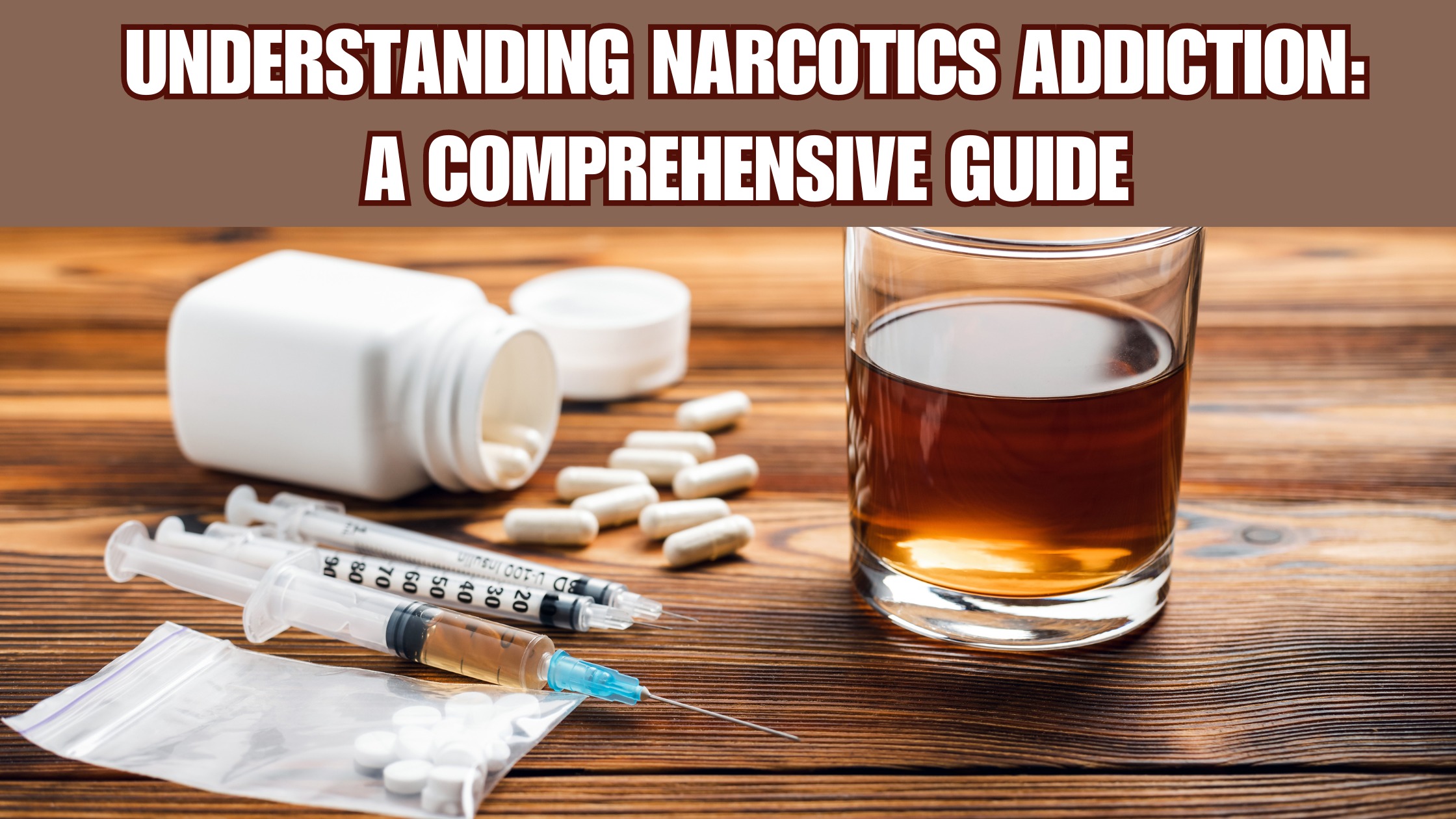
Narcotics addiction is a complicated problem that affects people of all ages, genders, and income levels. In this article, we’ll talk about the complicated nature of narcotics addiction, including what it is, where it comes from, how it develops, what symptoms to look for, and how it affects people’s personal, professional, and social lives. We’ll also talk about the different things that can make someone more likely to become addicted, how to diagnose addiction, the most common narcotics that people abuse, treatment options, ways to avoid becoming addicted, legal consequences, and how important it is to get help.
Understanding Narcotics Addiction:
Narcotics, which are also called opioids, are a group of drugs that come from the opium poppy plant or are made to look like it. Due to their strong pain-relieving effects, these substances are widely prescribed for pain management. On the other hand, they are very addicting and can cause people to develop a pattern of using them even when bad things happen.
How Narcotics Addiction Develops:
A number of biological, psychological, and environmental factors work together to cause narcotics addiction to develop. At first, people may be exposed to opioids for medical reasons, like managing pain after surgery or dealing with chronic pain. People who use drugs for a long time may build up a tolerance, which means they need higher doses to get the same effect. At the same time, physical dependence may arise, which manifests as withdrawal symptoms when drug use stops. Neuroadaptive changes happen in the brain over time, which reinforce drug-seeking behaviours and keep the cycle of addiction going.
Signs and Symptoms of Narcotics Addiction:
Recognising the symptoms and signs of narcotics addiction is important for getting help as soon as possible. Some physical signs are small pupils, feeling sleepy, breathing more slowly, and having trouble going to the toilet. People with this disorder may act secretive or dishonest by going to multiple doctors’ offices or pharmacies to get prescriptions. Mood swings, anxiety, depression, and bad judgement are all psychological symptoms.
Impact of Narcotics Addiction:
Narcotics addiction has an effect on more than just the addict; it also has an impact on society as a whole, including interpersonal relationships and professional performance. In the personal world, addiction can cause problems in relationships, low self-esteem, and poor health. At work, it could lead to absences, less work getting done, and even losing your job. In terms of their social lives, people may face loneliness, legal problems, and unstable finances.
Risk Factors for Narcotics Addiction:
There are several risk factors that can influence the onset of drug addiction. Genetic predisposition is important because some people may have genetic differences that affect how they react to opioids. Peer pressure, trauma exposure, and easy access to drugs are just a few examples of factors in the environment that can contribute to addiction. People who already have mental illnesses like depression, anxiety, or post-traumatic stress disorder (PTSD) may also be more likely to abuse drugs.
Diagnosis of Narcotic Addiction:
A thorough assessment by healthcare professionals that includes both a medical and psychological evaluation is necessary to diagnose drug addiction. Medical evaluation may include physical examination, laboratory tests, and screening for opioid use through urine or blood tests. Psychologically, individuals may undergo diagnostic interviews, self-report measures, and assessments of addiction severity.
Commonly Abused Narcotics:
The most commonly abused narcotics worldwide include heroin, morphine, codeine, and fentanyl. Heroin, a semi-synthetic opioid that comes from morphine, is known for making people feel high quickly and having a high chance of becoming addicted. Morphine is a naturally occurring opioid that is often used in medical settings to treat severe pain. A milder opioid called codeine is often found in painkillers and cough medicines that you get from a doctor. Because it is so strong, fentanyl, a synthetic opioid, is being linked to more and more opioid overdoses.
Treatment Options for Narcotics Addiction:
Narcotic addiction is treat in a variety of ways that aim to help with both the physical and mental aspects of the problem. In the first part of treatment, detoxification, the focus is on safely managing withdrawal symptoms while under medical supervision. Medication-assisted treatment (MAT) uses drugs like methadone, buprenorphine, or naltrexone to help people in recovery feel more stable and cut down on their drug cravings. Cognitive-behavioral therapy (CBT), motivational interviewing, and other behavioural therapies help people learn how to deal with problems, deal with underlying issues, and change bad habits. Support groups, like Narcotics Anonymous (NA) or SMART Recovery, offer support and encouragement from other people who are also in recovery.
Prevention Strategies:
A multifaceted strategy that targets various levels of influence is necessary to stop narcotics addiction. In order to raise awareness and educate the public about the risks of opioids and encourage doctors to prescribe them responsibly, campaigns are being run. Prescription drug monitoring programmes (PDMPs) and opioid prescribing guidelines are two types of access control measures that help keep prescription opioids from being stolen or abuse. Different ways of managing pain, like non-opioid drugs, physical therapy, acupuncture, and mindfulness-base interventions, should be encourage as safer ways to relieve pain.
Recovery and Relapse Prevention:
Narcotics addiction recovery is a dynamic and ongoing process that needs dedication, persistence, and support. This could mean making healthy changes to your lifestyle, like working out regularly, eating well, and getting enough sleep. Identifying triggers, practicing stress management techniques, and using coping skills are some of the best ways to avoid relapse. These skills help people deal with problems and stay in recovery for a long time.
Support for Families and Loved Ones:
People who are addict to narcotics frequently go through emotional pain, uncertainty, and a sense of helplessness.
Legal Implications of Narcotics Addiction:
Addiction to drugs can lead to serious legal problems, ranging from misdemeanour charges for drug possession. People who break the law may be arreste, jaile, fine, or force by the court. Addiction-relate behaviours like driving while high on drugs can lead to serious legal problems.
Stigma Surrounding Narcotics Addiction:
People who are struggling with addiction may face judgement, shame, and exclusion from society. Fighting stigma through education, advocacy, and compassionate conversation helps people who are struggling with addiction feel understood, supported, and empathetic.
Seeking Help for Narcotics Addiction:
It takes courage and is a key part of recovery and healing to seek help for narcotics addiction. People can get help and support in a number of ways, such as through healthcare providers, addiction treatment centres.
Conclusion:
Addiction to drugs is a complicated problem with many sides that affects people. We can effectively deal with this important public health issue by learning about where addiction.