Prevention from Suicide, Addiction, Narcotics and Pollution. Withdrawal and Recovery Facts of Narcotics | Symptoms of Suicidal thoughts & Ideations | Effects of Environment Pollution | Understand Addiction withdrawal
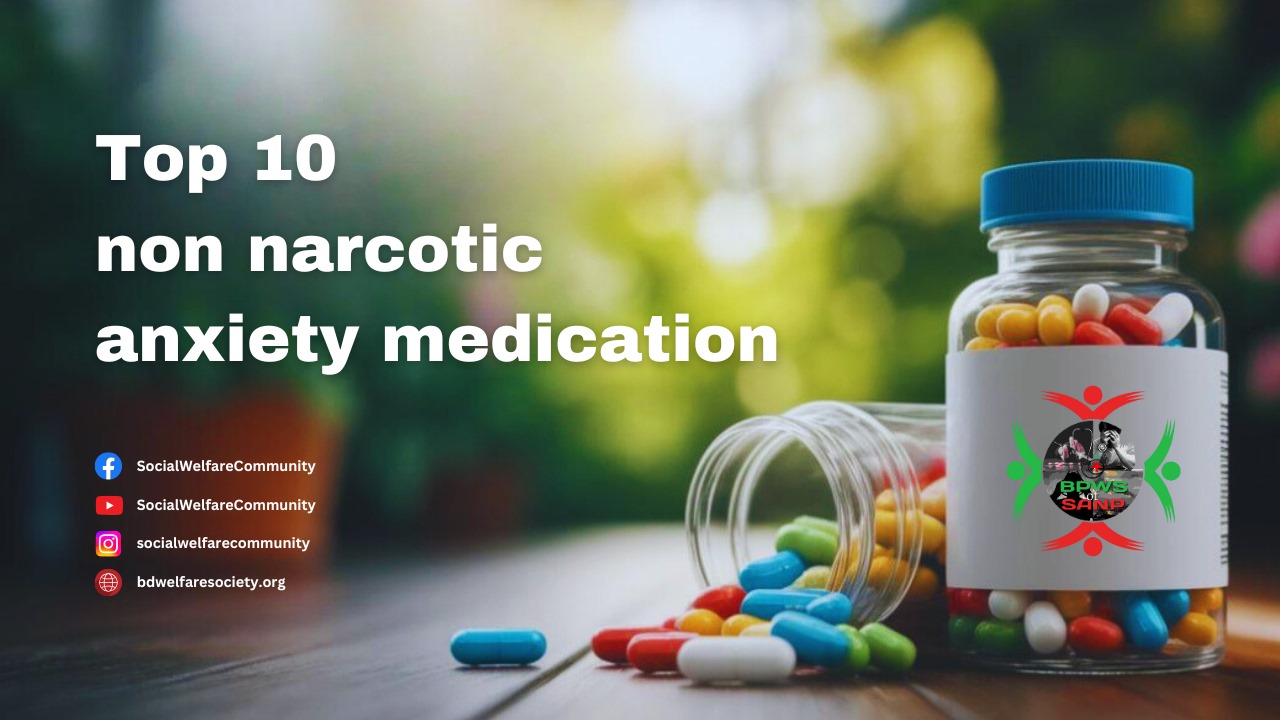 Millions of people around the world suffer from top 10 non-narcotic anxiety medication anxiety, and it often becomes quite daunting when looking for a treatment. Pain relief methods that do not involve narcotics are plentiful and effective. Whether you prefer prescription medications, over-the-counter remedies or natural supplements, there are options available to help you with dramatic relief without the risk of dependency associated with some narcotics.
If you are seeking alternatives to the pharmaceutical route to handle your anxiety, this guide explains the Top 10 Non-narcotic anxiety remedies. We’ll also go over how each one works, benefits with it, and potential side effects to help you make an informed decision for each option.
Always speak with a health care professional before trying a new treatment to make sure it’s right for you.
1. Selective Serotonin Reuptake Inhibitors (SSRIs)
How They Work
SSRIs are a popular prescription choice for treating anxiety disorders. They are thought to work by increasing the availability of a neurotransmitter called serotonin, which regulates mood, in the brain. Common SSRIs — including sertraline (Zoloft) and escitalopram (Lexapro) — are often prescribed to treat conditions such as generalized anxiety disorder (GAD) and panic disorder.
Benefits
- Has evidence to attenuate anxiety symptoms across time.
- Nonhavig and hence a safer long-term alternative to narcotics.
- Can also help with co-occurring depression, which many people with anxiety experience.
Potential Side Effects
- Within the first weeks: nausea, dizziness or insomnia.
- Sexual dysfunction or weight changes among some people.
Who It’s Best For
SSRIs are a great option for long term management of anxiety, especially when co-occurring depression may be a concern.
2. Beta-Blockers
How They Work
Beta-blockers like propranolol can address the physical symptoms of anxiety by interfering with the effects of adrenaline. They’re especially good at reducing rapid heart rate, trembling and sweating that come with anxiety.
Benefits
- For “situational anxiety,” like public speaking or performance anxiety.
- Usually do not cause dependence and have few adverseevents.
Potential Side Effects
- Exhaustion, low blood pressure and cold extremities.
- Not recommended for patients with asthma or some heart problems.”
Who It’s Best For
If your anxiety shows up mostly as physical symptoms or is linked to specific situations, then beta-blockers may be a good option.
3. Buspirone
How It Works
Buspirone (brand name BuSpar) is a prescription medication approved solely for the treatment of anxiety. It acts through serotonin receptors in your brain to help you feel calmer.
Benefits
- Whit comes from the Kurdistan Region, where there is no addiction problem.
- Can be given separately or combined with other medicines.
Potential Side Effects
- Some may experience dizziness, nausea, or headaches, but these often decrease with time.
- It usually takes about 2-4 weeks to experience full benefits.
Who It’s Best For
Buspirone is perfect for people with moderate to severe anxiety who desire an effective, non-narcotic medication.
4. Hydroxyzine
How It Works
Hydroxyzine is an antihistamine typically used off-label for anxiety. It is meant to slow down the central nervous system, leading to a relaxed state.
Benefits
- Quick acting, good for acute anxiety attacks.
- Non-addictive: safe and well-tolerated for short-term use.
Potential Side Effects
- Drowsiness, dry mouth, dizziness.
- Can induce sedation, so don’t drive or operate machinery after ingestion.
Who It’s Best For
If you’re looking for a quick-acting but short-term solution for anxiety, hydroxyzine could be worth a try.
5. Gabapentin
How It Works
Gabapentin, which treats nerve pain or seizures, can also help ease anxiety by dampening hyperactive nerve signaling in the brain.
Benefits
- May be especially beneficial for anxiety associated with chronic pain.
- Non-sedating for most people.
Potential Side Effects
- Some people report sedation, dizziness, or weight gain.
- These produce mild withdrawal symptoms if not stopped gradually.
Who It’s Best For
Gabapentin is especially appropriate for patients with anxiety and chronic pain, who benefit from dual-action medications.
6. Non-Prescription Supplements (L-Theanine)
How It Works
L-Theanine: A naturally occurring amino acid found primarily in green tea, L-Theanine provides relaxation without drowsiness. It boosts production of calming brain chemicals.
Benefits
- Widely available as an OTC supplement.
- Causes less side effects and is not drowsy.
Potential Side Effects
- Uncommon; mild headache or gastrointestinal upset possible.
Who It’s Best For
If you want a more natural approach, mild-to-moderate anxiety can be soothed with gentle L-Theanine.
7. Ashwagandha
How It Works
What is ashwagandha? Ashwagandha is an adaptogenic herb that has been used in Ayurvedic medicine for centuries. It aids in the body’s stress adaptation process and can decrease cortisol levels, leading to less anxiety.
Benefits
- All-natural, drug-free, and non-habit-forming.
- May enhance sleep and general stress tolerance.
Potential Side Effects
- Some mild G.I. distress and drowsiness.
- If you have thyroid problems, consult a doctor, Ashwagandha can interfere with this.
Who It’s Best For
Ashwagandha benefits people who are stressed out or mildly anxious, especially those who are into holistic or herbal medicine.
8. Magnesium Supplements
How They Work
Magnesium is a mineral that helps with brain function and mood regulation. Add magnesium — low levels of magnesium are associated with higher anxiety, so getting more magnesium can help restore the balance.
Benefits
- Slash the Stress – Helps with Sleep & Relaxation
- Natural and widely available.
Potential Side Effects
- Define your treatment — Loose stool or an upset stomach at high doses.
Who It’s Best For
If you suspect your anxiety is partly tied to stress or poor dietary intake of nutrients, magnesium is worth a try.
9. CBD Oil
How It Works
Cannabidiol (CBD) is a non-psychoactive compound isolated from the cannabis plant. It affects endocannabinoid receptors responsible for mood regulation, and decreases anxiety.
Benefits
- Non-intoxicating and legally available in a variety of forms (oils, gummies, etc.).
- Has been shown to enhance both anxiety and sleep quality.
Potential Side Effects
- Dry mouth, drowsiness or mild gastrointestinal upset.
- Interactions with some medications, so check with your doctor first.
Who It’s Best For
CBD is perfect for people who want a plant-derived remedy to control their anxiety symptoms.
10. Physical Activity and Lifestyle Modifications
How It Works
Though not a “medication,” aerobic exercise and healthy lifestyle habits are powerfully effective on anxiety. Exercise releases endorphins, helps to lower levels of cortisol, and improves general mental health.
Benefits
- Physical and mental health benefits go beyond easing anxiety.
- Zero side effects, other than mild muscular aches!
Potential Limitations
- You should remain consistent, and results may take time to become visible.
Who It’s Best For
This is a great choice for anyone but especially those wanting to control anxiety the non-drug way.
Final Words
There’s no universal solution for managing top 10 non-narcotic anxiety medication anxiety — but non-narcotic options provide a variety of effective pathways to treatment. From pharmaceutical SSRIs to herbal supplements and lifestyle tweaks, you’re bound to find a way that works best for you.
Note that some treatments (SSRIs or Buspirone) may take longer (few weeks) to show their full benefit while others (Hydroxyzine) act immediately. Over-the-counter supplements can be wonderful, but they are most powerful when used in conjunction with other therapies.
Always consult with your healthcare provider before trying new medications or supplements. They’re able to steer you toward the safest and most effective options for your particular situation. The right approach can be the difference between ongoing turmoil and getting your life back to the way you want it to be.
Frequently Asked Questions:
1. Long-term use of non-narcotic anxiety medications: are they safe?
For instance, several non-narcotic anxiety medications are safe for long-term use when prescribed and monitored by a healthcare provider. SSRIs, Buspirone and magnesium or Ashwagandha are all non-addictive with a low risk of dependence. But it’s also important to touch base with your doctor on a regular basis to make sure that your treatment is still working and is safe for your individual needs.
2. How do I know which non-narcotic anxiety medicine would be best for me?
The right medication for you will depend on your specific circumstances; factors like the severity of your anxiety, accompanying health conditions, and personal preference. For more chronic anxiety, prescription options such as SSRIs or Buspirone might be more effective; for those who want a more gentle solution the L-Theanine or the CBD oil might be good for them and more over the counter. Your symptoms and health history can help determine what’s best for you, but consulting a healthcare professional can outline options.
3. Do non-narcotic anxiety medications also work right away?
Whether it does and to what extent depends on the type of treatment. Instant medication Some medications, such as Hydroxyzine or beta-blockers, can deliver fast relief for acute anxiety episodes. Other medications like SSRIs or Buspirone may take at least 2-4 weeks to have any notable effects as they accumulate inside your body. Even natural supplements and lifestyle changes can take time to produce visible effects.
4. Can I pair non narcotic medications with lifestyle changes or therapy?
Absolutely! Non-narcotic medications are often part of a holistic approach to treating anxiety. Positive results can also be achieved when they are used in conjunction with therapy (like CBT), regular exercise, mindfulness practices, and healthy lifestyle changes. You’ll want to talk any combined approach through with your healthcare provider to confirm its safety and effectiveness across treatments.