Prevention from Suicide, Addiction, Narcotics and Pollution. Withdrawal and Recovery Facts of Narcotics | Symptoms of Suicidal thoughts & Ideations | Effects of Environment Pollution | Understand Addiction withdrawal
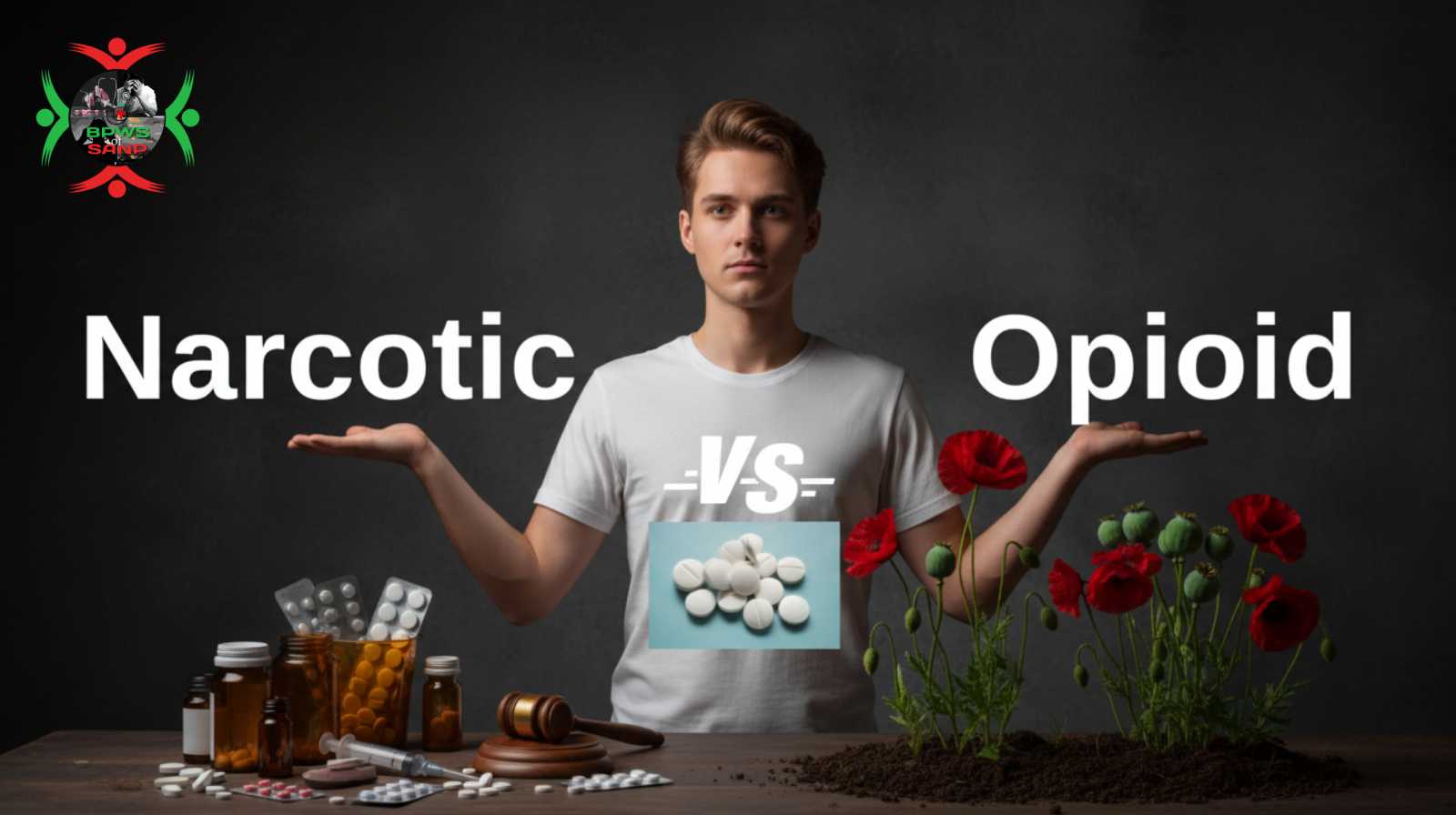
Narcotics vs Opioids: Understanding the Key Differences
Doctors and the rest of us sometimes use “narcotics” and “opioids” interchangeably, but they’re not synonymous terms — a difference in meaning that is more than just semantic. Whether you’re a healthcare professional, patient or just an individual interested in such powerful medications, understanding the difference between narcotics vs opioids may guide your approach to pain management and enable you to spot risks.
This definitive guide will help explain the two classifications of drugs, what they are medically used for and why it is important to know their differences in order to offer a more safe and effective treatment.
Even though all opioids are a type of narcotics, not all narcotic drugs available are classified as opioids. This fundamental difference informs how we think about pain management, addiction treatment and drug policy.
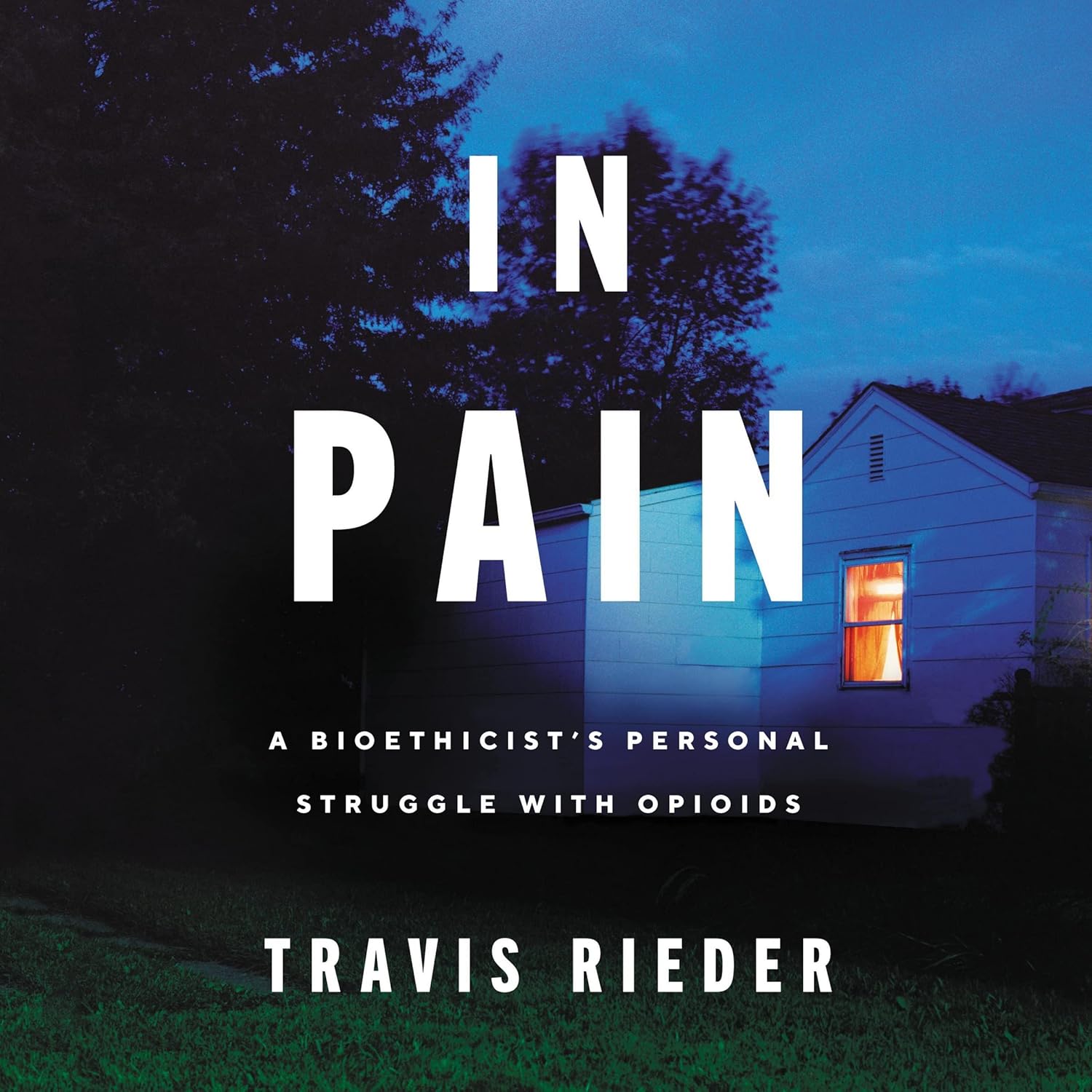
In Pain: A Bioethicist’s Personal Struggle with Opioids
By Travis Rieder (MP3 CD – Unabridged)
A powerful and deeply personal true story Travis Rieder, a respected bioethicist, shares his harrowing journey from recovery after a motorcycle accident to battling opioid dependence.
This isn’t just a memoir it’s a wake-up call exposing how modern medicine and healthcare systems mishandle pain management, leading countless people into addiction.
A story of pain, hope, and resilience one man’s fight to reclaim his life from the grip of opioids.
👉 Listen to this eye-opening book here: Check Here
Definitions: What Are Narcotics and Opioids?
Understanding Narcotics
Etymologically, the word narcotic originates from the Greek adjective “narkotikos,” which means “to make numb.” In the field of medicine, a narcotic is anything that makes you sleepy or produces sleep or drowsiness. This is a broad definition that includes opioid drugs, but also applies to other types of central nervous system depressants.
On a legal level, it is more complicated. Many drugs are defined as narcotics for reasons of regulation — and in ways that go beyond the traditional medical definition. The juxtaposition of these terms in a legal definition may confuse the issue between medical and legal no less.
Defining Opioids
Opioids are a class of drugs that target opioid receptors in the brain, spinal cord and other areas of the body to help reduce pain. This class consists (types can vary from one to the next in different sources) of three main categories:
Natural opioids are those that originate from the opium poppy plant such as morphine and codeine. Semi-synthetic opioids, like oxycodone, hydrocodone and heroin are chemically altered forms of natural opiates. Synthetic opioids are made entirely in a lab and are chemically similar to natural opium, including fentanyl, tramadol, and methadone.
Origins and Sources of These Medications
The tale of opioids starts with the opium poppy (Papaver somniferum), a plant that’s been grown for thousands of years. The peoples of the ancient world knew about opium from the seeds of the poppy plant.
Today’s pharmaceutical innovation goes well beyond the boundaries of nature. Scientists have developed a series of semi-synthetic options that tweak the structure of natural opioids, typically to make them more potent, better absorbed or less likely to cause side effects. Wholly synthetic opioids began to appear as researchers looked for alternatives that didn’t rely on agricultural sources.
From plant-based medicines to lab-synthesized compounds, this trend is one example of how physicians and drug makers are constantly searching for new pain treatments as they try to reduce side effects and addiction risk.
How These Drugs Work: Mechanism of Action
There are two agreed upon classes of narcotics and opioids — both drugs induce the central nervous system, though opioids do so with a very precise action. They act on opioid receptors — primarily on mu, delta and kappa receptors — distributed in the brain, spinal cord and peripheral tissues.
When opioids attach to these receptors, they dull pain signals sent from elsewhere in the body and also release dopamine in various parts of the brain, including one that results in a euphoric response. This combination is responsible for their pain-relieving and euphoric effects, as well as the potential for misuse.
It also impacts the other systems of body. Receptors for opioids in the brainstem regulate breathing, which is why respiratory depression can be a dangerous side effect. The receptors in the digestive system inhibit gut motility and most frequently result in constipation.
Common Examples of Narcotics and Opioids
Prescription Opioids
Doctors often prescribe more than one opioid for pain control. Morphine is the industry standard for serious pain and it’s frequently administered in hospitals or long-term care settings. Codeine traditionally is used in combination with acetaminophen or aspirin for the treatment of mild to moderate pain and as an antitussive ( a cough suppressant).
Oxycodone and hydrocodone are two of the most frequently prescribed opioids for Moderate-Severe pain. They can also be used in conjunction with other “pain killers,” such as acetaminophen or ibuprofen, for more effective analgesia.
Fentanyl is exponentially stronger than morphine and it’s used to treat moderate to severe pain, Although not much of a recreational drug substance because it offers few benefits compared to opiates like Heroin.
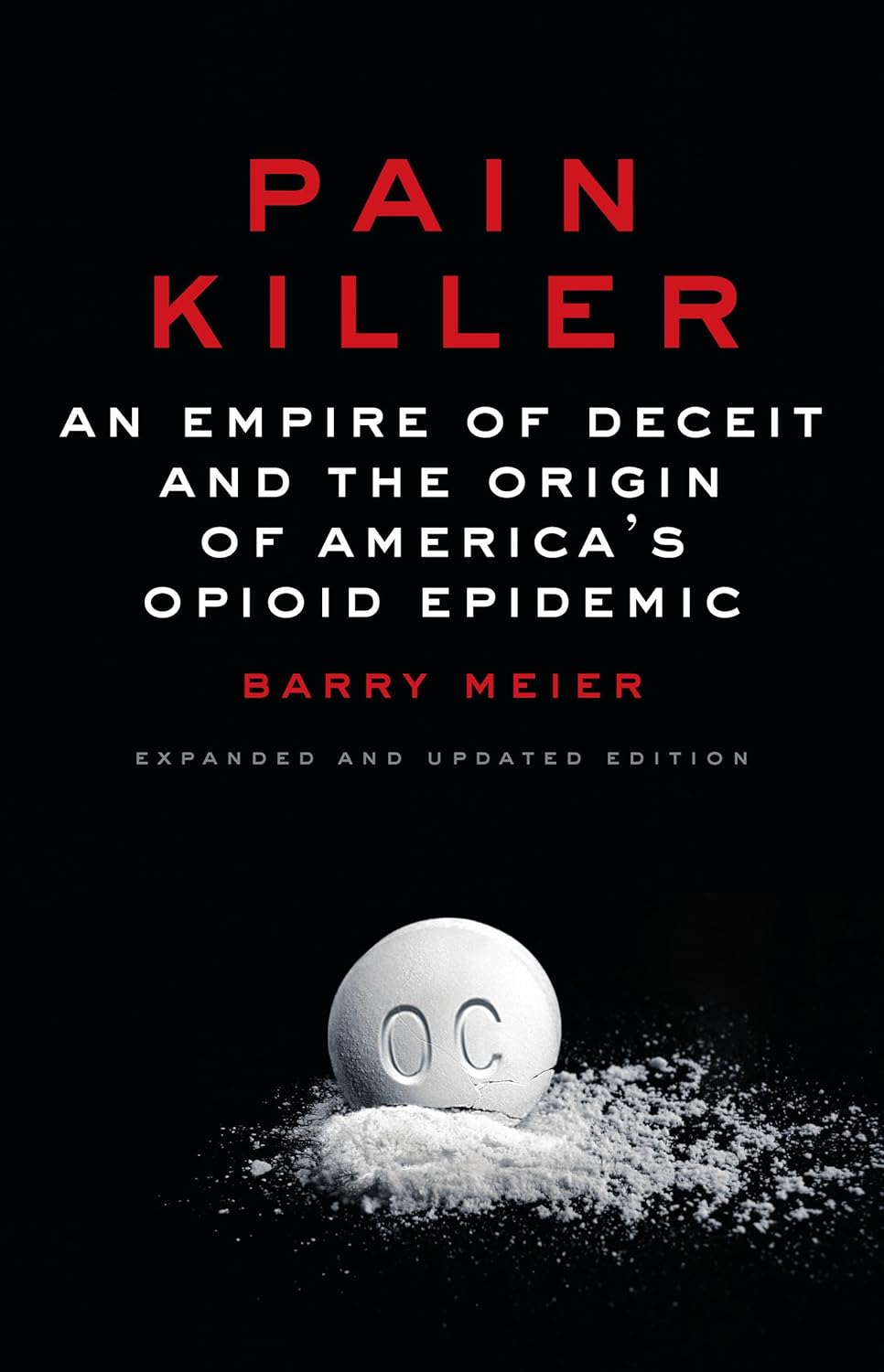
Pain Killer: An Empire of Deceit and the Origin of America’s Opioid Epidemic
By Barry Meier (Hardcover – May 29, 2018)
A Pulitzer Prize–winning investigation that exposes how corporate greed, deception, and government failure ignited the deadliest drug crisis in American history the opioid epidemic.
In Pain Killer, journalist Barry Meier uncovers the shocking story behind Purdue Pharma and the Sackler family, whose aggressive marketing of OxyContin turned a painkiller into a billion-dollar empire and unleashed a national tragedy.
What’s inside this groundbreaking exposé:
-
How Purdue Pharma transformed OxyContin into a global blockbuster
-
The marketing lies that claimed Oxy was “safe” and “non-addictive”
-
The devastating toll on families, communities, and the working class
-
The whistleblowers, doctors, and DEA agents who tried to stop it
-
The government’s shocking inaction that allowed the crisis to spiral
Through gripping real-life stories from a small-town doctor who fought back, to families torn apart by addiction Meier paints a vivid, haunting picture of how a “wonder drug” became a weapon of mass destruction.
A powerful mix of crime thriller, medical drama, and corporate exposé, Pain Killer is essential reading for anyone seeking to understand how the opioid epidemic began and who is responsible.
👉 Read it here: Check Now
Illegal Narcotics
Heroin, a semi-synthetic opioid derived from morphine, represents one of the most dangerous illegal narcotics. Its rapid onset and intense effects make it highly addictive due to the speed at which the effects are felt, but also because it’s unregulated, so users can never be sure of its purity or even dosage.
Medical Uses and Applications
When used properly, opioids play an indispensable part in modern medicine. They are most often used to manage pain from surgery recovery, injury treatment, or cancer-related treatments.
In palliative care, opioids are of vital importance for their terminally ill patients to help them maintain QOL during a difficult time. Some opioids are used by anesthesiologists in surgeries for pain relief and patient comfort.
Some opioids are also used to treat certain other medical problems. Codeine works to suppress intense coughing, while methadone and buprenorphine maintain stability in the lives of people living with addiction to opioids, who often suffer from withdrawal and have cravings.
Risks and Side Effects
The benefits of opioid treatment are tempered with important risks that deserve careful consideration. Physical dependence may occur after just a few days of regular use as the body begins to adjust itself to the presence of the medication. This is distinct from addiction, which involves compulsive use with harm.
The most frequent side effects are constipation, nausea, somnolence and confusion. More severe hazards include respiratory suppression, in which breathing is so slowed or shallow that it temporarily stops. This adverse effect is of greatest concern during overdose.
Tolerance to opioids can develop with continued long-term use; this means that you will need a higher opioid dose to get the same level of pain relief. This escalation is associated with a higher side effect and complication rate. Also some patients develop hyperalgesia: taking opioids for a long time they become even more in pain.
Legal Status and Regulation
According to The Drug Enforcement Administration (DEA), opioids are considered a Controlled Substance Act and placed in various schedules based on medical use along with the potential for abuse. Such opioids are widely recognized as having accepted medical uses but high potential for abuse and, accordingly, they require special prescriptions and handling (Schedule II).
Schedule III drugs such as the codeine combinations are capable of causing abuse or addiction, which is less, though still possible with Schedule IV products like tramadol. Schedule I encompasses drugs such as heroin, drugs with no accepted medical use and a high potential for abuse.
Clinicians are responsible for meeting strict criteria with respect to opioid prescriptions, which include patient evaluations, treatment agreements and monitoring programs. Prescription drug monitoring programs, established by many states to track opioid prescriptions and patterns of potential abuse.
The Opioid Crisis: A Public Health Emergency
The opioid epidemic is one of the largest public health challenges in recent history. What started with the over-prescription of opioid painkillers in the 1990s has created a growing, deadly epidemic that’s also become more complex: the spread of prescription drugs, heroin and synthetic opioids such as fentanyl.
There were several causes of such crisis. The opioid problem actually has two of its own parents: pharmaceutical marketing that minimized the risks of addiction and medical guidelines that established pain as a “fifth vital sign,” in order to encourage more aggressive treatment. As monitoring of prescriptions tightened, some users switched to illicit alternatives, including heroin and fentanyl.
Response strategies involve prescription monitoring programs, increased prescriber education. Increased access to addiction treatment and broad availability of naloxone (Narcan), an opioid overdose reversal agent. These strategies, including a public health approach to overdose deaths and addressing inappropriate prescribing continue the trend that is expected over time.
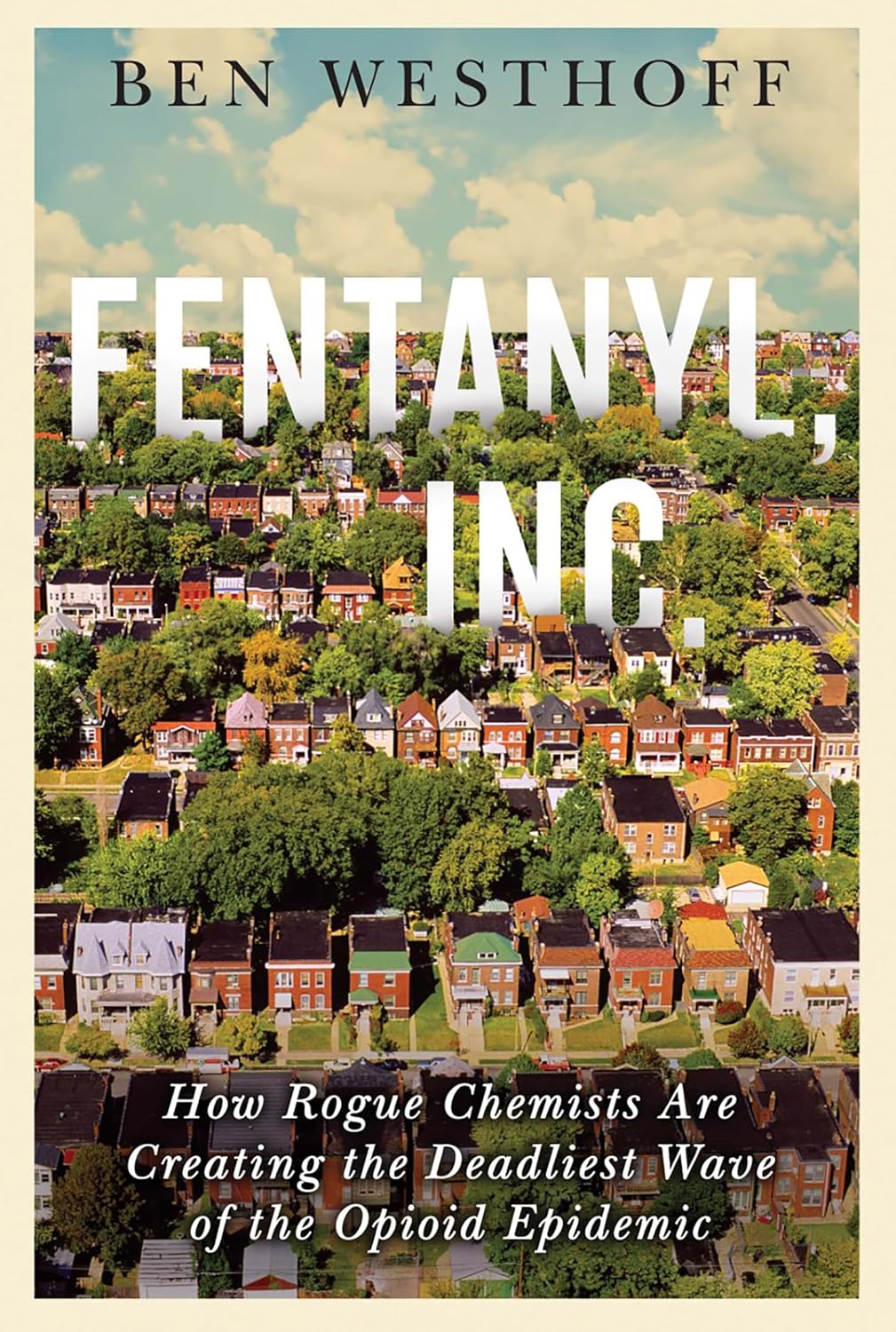
Fentanyl, Inc.: How Rogue Chemists Are Creating the Deadliest Wave of the Opioid Epidemic
By Ben Westhoff (Hardcover – September 3, 2019)
An explosive, eye-opening investigation into the dark and deadly world of synthetic drugs uncovering how rogue chemists are fueling the most dangerous wave of the opioid crisis.
Over four years of deep research, journalist Ben Westhoff infiltrates underground labs in China, tracks the global drug trade, and meets users, dealers, and families devastated by this lethal epidemic. From fentanyl to K2 and Spice, these synthetic substances are reshaping the drug landscape more potent, more unpredictable, and more deadly than ever before.
Inside this gripping expose
-
How new synthetic opioids are made and distributed
-
The global web connecting labs, dealers, and users
-
The human toll behind the statistics real stories of loss and survival
-
New strategies to confront the next wave of the crisis
This is a must-read for anyone who wants to understand the real face of the opioid epidemic and the chemistry-driven chaos behind it.
👉 Read it here: Check Now
Key Takeaways for Safe Use
The distinction between drugs vs opioids can give patients and docters power to make their own decisions. When it comes to pain management. Although opioids are vital for relief of significant pain, they must be closely monitored and used responsibly.
Patients should collaborate with healthcare professionals to create multidimensional pain management plans with consideration of non-opioid such as physical therapy. Non-narcotic medications or other approaches. When opioids are used, taking them as directed and sharing openly about effects and concerns can help ensure safe treatment.
Identification of early warning signs — such as tolerance. Preoccupation with access to drugs/is able to get them easily, and persistent use despite harm. Lead to earlier intervention and may prevent the development of more significant problems. There are resources available for individuals who need help addressing addiction and recovery support.
It may seem like a distinction without difference — but in the world of pain management. And especially amid this opioid crisis, those who are tasked with communicating. About drugs utilize that sort of specificity every day. By learning more about these distinctions. We can move closer to thoughtful treatment of pain with less harm and help the people. Who are suffering from opioid-related issues.