Prevention from Suicide, Addiction, Narcotics and Pollution. Withdrawal and Recovery Facts of Narcotics | Symptoms of Suicidal thoughts & Ideations | Effects of Environment Pollution | Understand Addiction withdrawal
 As you learn about prescription medications, the terminology used to describe them can be confusing and often unintentionally misleading. One of these drugs, Soma (carisoprodol), is a frequent question on drug classification. Is it a narcotic? What makes a difference in using it for medical treatment, and potential for abuse? And so to know the answer it’s important to know what narcotics are, what Soma is in its history and function, what it does, and how it’s legally handled.
What Is Soma?
Soma is a brand name for carisoprodol, a prescription medication that is typically prescribed to help relieve discomfort caused by acute musculoskeletal conditions including pain, stiffness or spasms in the muscles. Typically administered orally in a tablet, Soma is most effective when used in conjunction with rest, physical therapy or other treatments that target the root cause of the pain.
Soma, which was approved by the F.D.A. in 1959, has long been circulating widely as a treatment for short-term muscle pain. Also, it is not mainly used for the long term as it loses its effect over time and the effects of dependence or side effects can increase with the extended use of the drug.
How Does Soma Work?
Soma is a muscle relaxer; however, the exact method of action is not fully known. Researchers think that carisoprodol works primarily in the brain and the spinal cord by interrupting communication between nerves, which reduces muscle tone and can provide relief of pain. Soma is not a direct pain reliever but instead reduces muscle spasticity, indirectly decreasing muscle discomfort.
When ingested, carisoprodol is metabolized by the liver into meprobamate, a compound with sedative and anxiolytic effects. This adds to Soma’s soothing effects and is an important factor in both its medicinal uses and its potential for abuse.
Common Effects of Soma
The effects of Soma kick in within 30 minutes to an hour after administration, lasting usually four to six hours. These effects can include:
- Muscle relaxation
- Reduced muscle pain
- Sedation
- Mild euphoria in some users
Although helpful when taken responsibly, these same effects can appeal to those looking for a recreational “high.”

Natural Relief for Joint & Muscle Pain!
Soothe your body the herbal way with the Herbal Soothing Gel (60ml) a powerful pain relief and rheumatism cream for men and women. It helps relieve joint stiffness, muscle tension, and body aches in the back, neck, hands, and feet, giving you instant comfort and relaxation
Check it out now: Buy Now
What Are Narcotics?
To find out of Soma is a narcotic, we need to understand what the word “narcotic” means. And, interestingly enough, the definition of narcotics is context-based.
- Medical Definition: In medical literature, narcotics (from the Greek word “narkos,” or “numbness” or “stupor”) are traditionally specified as drugs used to relieve pain and induce sleep. Many narcotics are opioids, like morphine, codeine and oxycodone, which attach themselves to opioid receptors in the brain to inhibit pain perception.
- Legal Definition: The legal definition of “narcotic” is broader and at times includes drugs that are not opioids. The term is used in many legal systems to describe controlled substances including prescription painkillers and illicit drugs such as cocaine and heroin. This usage often encompasses types of sedative or stimulant, hallucinogenic drugs all as one umbrella category of “narcotics.”
Due to this disparate delineation, whether or not Soma qualifies as a narcotic comes down to semantics. Although Soma is not an opioid, its sedative and habit-forming properties result in its being governed by some narcotic laws.
From a medical standpoint Is Soma a narcotic medication?
Though, from a purely medical perspective, Soma is not a narcotic. In medical terminology, narcotics are opioids — drugs that sedate the central nervous system to relieve severe pain. In contrast, Soma is classified as a centrally acting muscle relaxant. It does not act like a narcotic, nor does it provide opioid-like pain relief.
Nevertheless, the sedative and calming effect of Soma and its metabolite meprobamate renders similarities with other commonly abused drugs. This can muddle the distinction when Soma is juxtaposed with conventional narcotics.
https://www.youtube.com/watch?v=cftCiNZBEjs&pp=0gcJCX4JAYcqIYzv
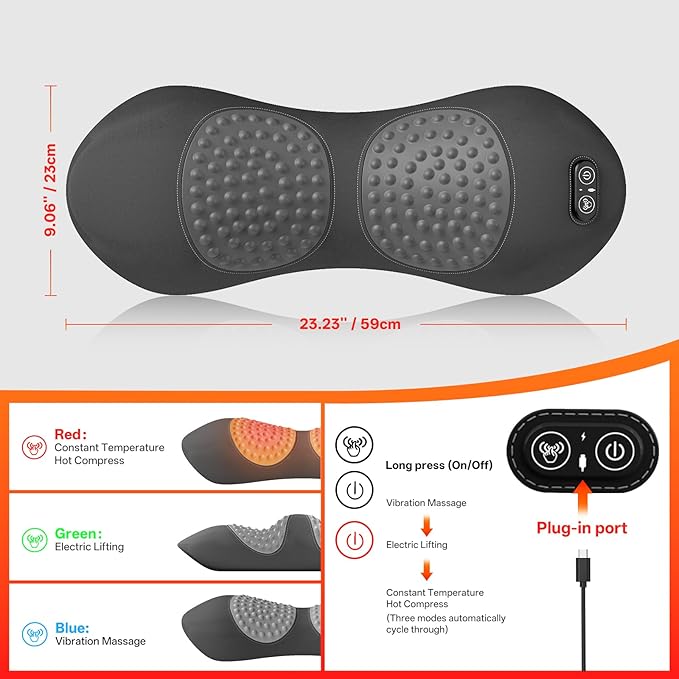
Relax your spine and relieve lower back pain with the 3-in-1 Electric Lumbar Support Pillow designed for both bed and chair use. Featuring heat therapy, soothing vibration, and traction technology, it provides complete spine support and pain relief for maximum comfort every day.
Check it out now: Buy Now
Is Soma a Narcotic Under the Law?
Legally speaking, Soma exists in a gray zone. Soma is a United States DEA Schedule IV controlled substance under the Controlled Substances Act. Though not listed as a narcotic per se, the classification reflects the potential for abuse and dependence. Drugs in Schedule IV have a relatively low potential for abuse in comparison to substances that fall within Schedules I, II and III, but must still be managed to prevent their misuse.
Other drugs in Schedule IV are also medications — such as diazepam (Valium) and alprazolam (Xanax) — known for their sedative and anxiolytic properties. This puts Soma in a similar legal category to these drugs, although authorities don’t always refer to them as “narcotics.”
Why Is Soma Regulated?
Soma regulation has arisen from increasing concerns over its potential for abuse. The medication was long widely prescribed without major restrictions, but reports of misuse began to surface. It then started being taken not for its original purpose, but for euphoric, relaxing, or sedative effects. Additionally, the sedating effects of Soma can increase dangerously when used with other central nervous system depressants, like alcohol, opioids, or benzodiazepines (like Xanax or Ativan), leading to overdose or death.
These patterns of misuse — as well as the risks of addiction and dependency — led the DEA to move Soma to a schedule of controlled substances in 2012. While not classifying it as a narcotic in this setting, the scheduling indicates attempts to limit recreational use and deter diversion.
The Announcement of Soma’s Classification
Soma was first approved in the 1950s and was not scheduled as a controlled substance, so it was widely prescribed. It was promoted as a safer, less addictive option than other muscle relaxants, such as the barbiturates. However, as usage increased, health professionals started observing patterns of potential misuse, dependency and withdrawal symptoms in certain users.
By the early 2000s, trends of prescription drug abuse coalesced around Soma. Then studies started to document increased rates of Soma-related emergency room visits, especially when the drug was used in combination with alcohol or other agents. These findings, together with increasing evidence of Soma’s abuse potential, helped lead to its reclassification as a Schedule IV controlled substance in 2012.
Soma and Abuse Potential
Some of what confounds Soma’s place in classifications like “narcotic” is its potential for abuse. Some recreational users take Soma to experience its tranquil and euphoric effects. When misused, Soma can induce an experience of relaxation and “zoning out,” akin to being lightly drunk.
Others take Soma together with opioids or benzodiazepines to make “the Houston cocktail,” a deadly mixture that amplifies sedative properties but potentially increases the risk of respiratory depression, overdose and death.
Signs of Soma Abuse
INDICATORS OF SOMA ABUSE MAY BE:
- Using higher doses than recommended
- Soma usage without a valid prescription
- Do not take Soma with alcohol or other drugs
- This includes having withdrawal symptoms when the drug isn’t taken
- Buy multiple prescriptions from different doctors
Chronic abuse can cause dependence and addiction, with withdrawal symptoms of anxiety, tremors, insomnia and seizures.

Instant Comfort with Graphene Fast Heating Pad!
Say goodbye to neck, shoulder, and back pain with the Graphene-Infused 1-Minute Fast Heating Pad!
This weighted heating wrap offers deep pain relief with 6 adjustable heat levels and 4 auto timers, giving you a personalized spa-like experience at home. Perfect gift for men, women, or mom especially this Christmas.
Check it out now: Buy Now
Effects of Soma on the Body
Soma acts on the body and the mind, hence its medical utility and potential for abuse. Soma is prescribed medically for muscle pain relief, but it suppresses the central nervous system, too, inducing drowsiness, relaxation and anxiety reduction.
These effects can be helpful when taken as prescribed. However, when misused or when doses are too high, Soma can cause side effects like:
- Dizziness
- Blurred vision
- Impaired coordination
- Confusion or loss of focus
- In extreme cases, loss of consciousness
Continued abuse can create a tolerance to regular doses in the body, causing the user to need larger quantities to get the same reaction. This cycle of upping the dose leads people to risk overdose.
How Does Soma Compare With Narcotics?
Soma is quite different from other narcotics. First of all, it is a muscle relaxant, not an opioid analgesic, and affects the central nervous system to lessen discomfort, not pain itself. Although it can promote sedation and relaxation, these experiences are not as strong as the significant pain relief and emotional blunting produced by opioids such as morphine or oxycodone.
But Soma does have one big thing in common with narcotics: its potential for abuse and dependence. Both Soma and narcotics are addictive and, when abused, can have addicting and even deadly qualifying effects.
The Future of Soma in Medicine
Despite its ongoing usefulness in clinical settings, Soma’s notoriety is growing in scrutiny. Now, many healthcare providers are trying other non-addictive muscles relaxants or muscle relaxants because of misuse and abuse.
Soma is only ever prescribe long term by the most venal of doctors, and for very short periods (2-3 weeks or less). In the long run though this class of drugs is neither concentrate nor less effective due to tolerance, or become dependent. Healthcare providers are also tightening monitoring of patients for signs of misuse and educating them about the risks associated with Soma.
Final Thoughts: Is Soma A Narcotic?
Whether is soma a narcotic is not as simple as you might think. Soma is not a narcotic from a medical standpoint because it is not an opioid, nor does it directly target pain pathways. But from a legal and practical standpoint, the drug’s sedative effects, potential for abuse and status as a Schedule IV control substance put it in a class that has sometimes been link to narcotic-like dangers.
In particular, awareness of Soma’s classification, medical applications, and risks will be beneficial to both healthcare providers and patients, allowing them to responsibly harness the benefits of Soma while minimizing the risk associated with excessive use, interaction, or other barriers to obtaining or using this drug. However, regardless of whether or not it is a narcotic, Soma should always be take with caution and under the supervision of a doctor.
Frequently Asked Questions (FAQ)
1. Is Soma safe to take over the long term?
No, Soma is usually only prescribe for short periods of time, around 2-3 weeks maximum. However, prolong use may result in a diminish effect and an increase in tolerance, and the risk of creating dependence. Patients should adhere to the advice of their doctor, and as alternative options when long-term relief is desire.
2. Soma is a narcotic, isn’t it?
From a medical standpoint, Soma (carisoprodol) is not a narcotic. Narcotics are generally define as opioids that relieve pain by acting on the central nervous system. Soma, in contrast, is a muscle relaxer that is design to ease discomfort by inhibiting nerve communication, not pain pathways. But its sedative effects and potential for abuse have resulted in its regulation under statutes that seem more suited to narcotics.
3. What is Soma and why is it a controlled substance?
The Drug Enforcement Administration (DEA) classifies Soma as a controlled substance Schedule IV with potential abuse, dependency, and misuse. Recreational users of fentanyl usually want its sedative and calming effects, and combining it with other substances, such as alcohol or opioids, can be dangerous. Its legal status paves the way for tighter regulation to prevent abuse.