Prevention from Suicide, Addiction, Narcotics and Pollution. Withdrawal and Recovery Facts of Narcotics | Symptoms of Suicidal thoughts & Ideations | Effects of Environment Pollution | Understand Addiction withdrawal
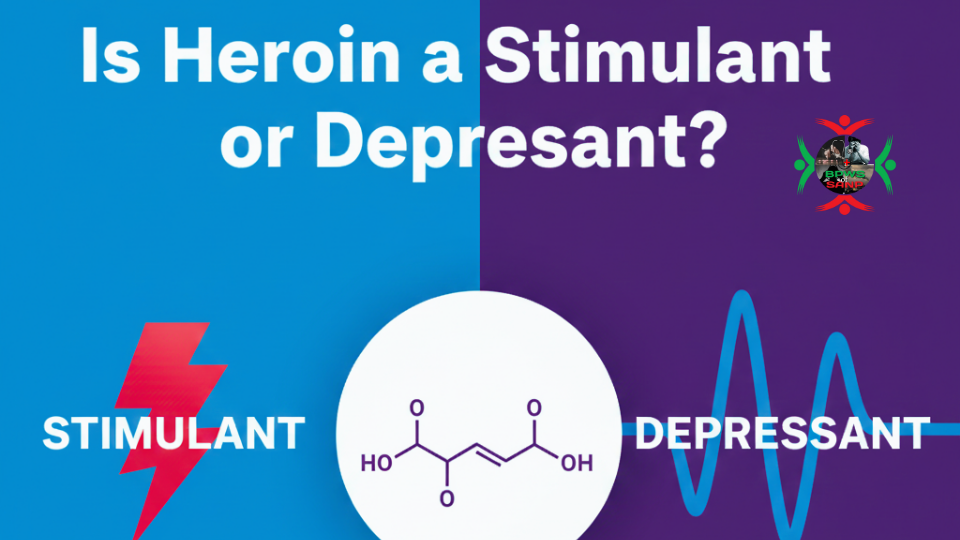
Is Heroin a Stimulant or a Depressant?
When discussing illicit drugs, it’s crucial to understand their specific effects on the body. Heroin is a widely known and highly addictive illegal drug, but there is often confusion about its classification. Does it speed up the body’s functions, or does it slow them down? In other words, is heroin a stimulant or a depressant?
Understanding this distinction is vital for recognizing the signs of heroin use, its potential dangers, and the appropriate path toward treatment and recovery. This post will clarify heroin’s classification, explain the science behind its effects, and outline the risks associated with its use.
Understanding Stimulants and Depressants
Before we classify heroin, it’s important to understand what stimulants and depressants are. These two categories of drugs have opposite effects on the central nervous system (CNS), which consists of the brain and spinal cord.
- Stimulants: These drugs “stimulate” or increase the activity of the central nervous system. They speed up the messages traveling between the brain and the body, leading to increased alertness, energy, and heart rate. Common examples of stimulants include cocaine, amphetamines (like Adderall), and caffeine.
- Depressants: These drugs “depress” or decrease the activity of the central nervous system. They slow down brain function and bodily processes, resulting in feelings of relaxation, drowsiness, and reduced inhibition. Common depressants include alcohol, benzodiazepines (like Xanax), and barbiturates.
Heroin’s Classification: A Powerful Depressant
So, is heroin a stimulant or a depressant? Heroin is unequivocally a depressant.
It belongs to a class of drugs known as opioids, which are all derived from or synthetically mimic the natural compounds found in the opium poppy plant. Like all opioids, heroin works by binding to opioid receptors in the brain, spinal cord, and other areas of the body. This action slows down the central nervous system, producing the characteristic effects of a depressant.
The Science Behind Heroin’s Depressant Action
When a person uses heroin, it quickly crosses the blood-brain barrier and is converted into morphine. This morphine then binds to specific opioid receptors, particularly the mu-opioid receptors. The activation of these receptors triggers a cascade of chemical reactions that lead to its depressant effects.
First, it increases the release of dopamine, a neurotransmitter associated with pleasure and reward. This creates the intense “rush” or feeling of euphoria that users seek. However, at the same time, it slows down critical bodily functions controlled by the brainstem, such as breathing and heart rate. This is the primary mechanism that makes heroin a CNS depressant and also what makes an overdose so dangerous. The profound suppression of respiratory function can lead to a lack of oxygen, brain damage, coma, or death.
Short-Term and Long-Term Effects of Heroin Use
As a powerful depressant, heroin’s effects are felt almost immediately and can last for several hours. The long-term consequences of repeated use are severe and can impact nearly every aspect of a person’s life.
Short-Term Effects
Immediately after use, individuals may experience:
- A rush of intense pleasure and euphoria
- Dry mouth
- A warm flushing of the skin
- Heavy feelings in the arms and legs
- Drowsiness and a clouded mental state
- Slowed breathing and heart rate
- Nausea and vomiting
- Severe itching
Long-Term Effects
Chronic heroin use leads to significant and often irreversible health problems, including:
- Tolerance and Dependence: The body requires more of the drug to achieve the same effect, leading to physical and psychological dependence.
- Addiction: Compulsive drug-seeking behavior despite harmful consequences.
- Collapsed Veins: For those who inject the drug.
- Infections: Increased risk of HIV, hepatitis, and bacterial infections from sharing needles.
- Damage to Organs: Liver and kidney disease, as well as damage to the heart lining and valves.
- Cognitive Decline: Deterioration of the brain’s white matter, affecting decision-making and behavior regulation.
- Mental Health Issues: Worsening of existing conditions like depression and anxiety.
Risks and Dangers of Heroin Use
The primary danger of using a depressant like heroin is overdose. Because it slows breathing, taking too much can cause respiratory failure. The risk of overdose is incredibly high, especially with illicitly manufactured heroin, which is often mixed with other powerful substances like fentanyl—a synthetic opioid up to 50 times stronger than heroin.
Other risks include:
- The development of a severe substance use disorder.
- High risk of contracting infectious diseases.
- Significant social and financial problems.
- Permanent physical and psychological damage.
Finding a Path to Recovery
Heroin addiction is a treatable medical condition. A comprehensive treatment approach that addresses both the physical and psychological aspects of addiction offers the best chance for a successful recovery.
Treatment options typically include:
- Detoxification (Detox): A medically supervised process to manage withdrawal symptoms safely. Withdrawal from opioids can be intensely uncomfortable, and medical support is crucial.
- Medication-Assisted Treatment (MAT): Medications like methadone, buprenorphine, and naltrexone can help reduce cravings and prevent relapse by blocking the euphoric effects of opioids.
- Behavioral Therapies: Cognitive-Behavioral Therapy (CBT) and other counseling methods help individuals identify and change negative thought patterns and behaviors related to drug use.
- Support Groups: Programs like Narcotics Anonymous (NA) provide a community of peer support, which is a vital component of long-term recovery.
Why Understanding Matters
To be clear, heroin is a powerful and dangerous depressant. Its effects on the central nervous system slow down vital functions, creating a high risk of overdose and long-term health complications. Recognizing heroin as a depressant is the first step in understanding its profound dangers and the urgent need for treatment for those struggling with addiction.
If you or someone you know is using heroin, seeking help is critical. Professional treatment can provide the support, tools, and medical care necessary to overcome addiction and build a healthier future.