Prevention from Suicide, Addiction, Narcotics and Pollution. Withdrawal and Recovery Facts of Narcotics | Symptoms of Suicidal thoughts & Ideations | Effects of Environment Pollution | Understand Addiction withdrawal
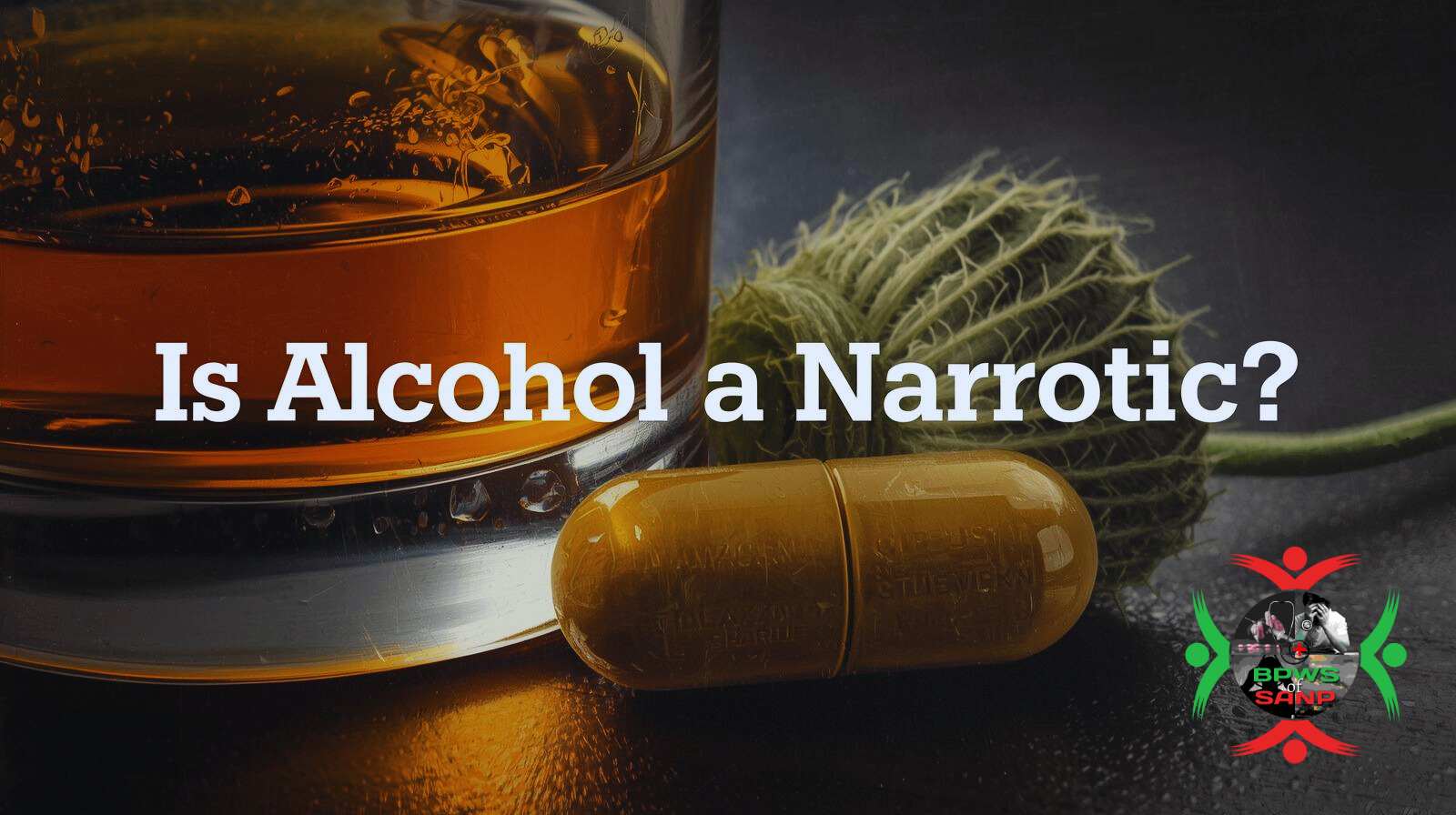
Is Alcohol a Narcotic? A Scientific and Legal Breakdown
The word “narcotic” may conjure images of specific illicit drugs, such as heroin or powerful prescription painkillers, like morphine. Alcohol, on the other hand, is a legal and socially acceptable commodity. But with such a profound impact on the brain and body, many people wonder where it fits in. Is alcohol a narcotic?
This question can be treacherous, because it depends on if you are using a medical, legal or historical definition. This explainer will explain what narcotics are and how alcohol affects the body before comparing the two from scientific and legal standpoints. By the end, you’ll have a full grasp of what category alcohol belongs to and why it matters.
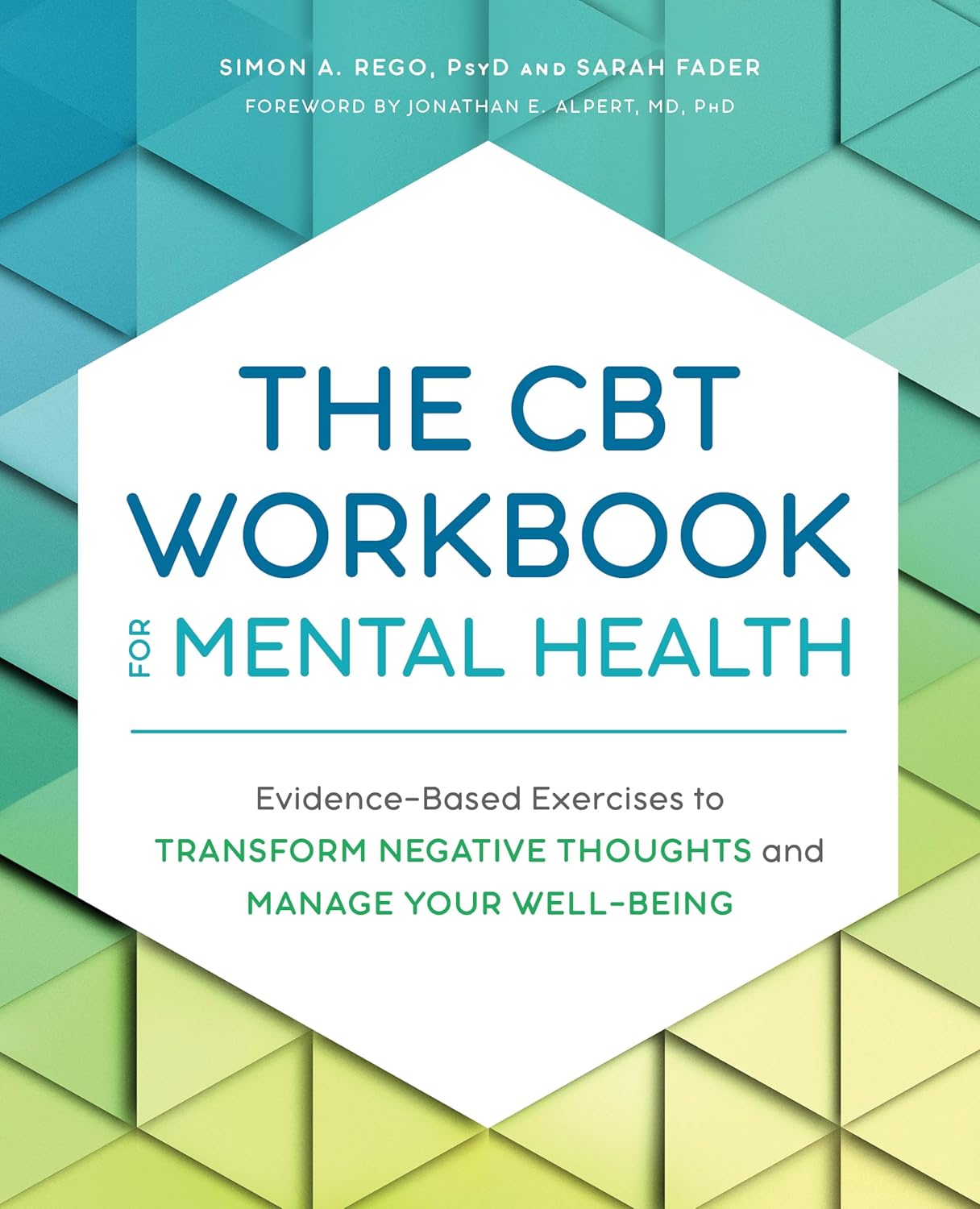
The CBT Workbook for Mental Health
Evidence-Based Exercises to Transform Negative Thoughts and Manage Your Well-Being
Paperback – July 13, 2021
Authors: Simon Rego, PsyD • Sarah Fader • Foreword by Jonathan E. Alpert, MD, PhD
Live more positively with simple cognitive behavioral therapy exercises
Not every mental health struggle comes from a major event or an official diagnosis but it can still affect your happiness and day-to-day life.
The CBT Workbook for Mental Health helps you build calm, confidence, and resilience using proven CBT techniques. With expert guidance, you’ll learn how to navigate tough moments big or small and strengthen your emotional well-being.
What’s inside the workbook?
Specific solutions
Step-by-step CBT tools focused on key challenges, including:
-
Relationships & communication
-
Anxiety
-
Anger
-
Stress
-
Guilt & shame
-
Low self-esteem
Simple, practical exercises
Each activity takes only 10–30 minutes, making it easy to practice even on busy days.
CBT made for everyone
Clear explanations of how CBT works, why it’s effective, and how you can use it to improve your emotional balance.
Transform your mindset and strengthen your mental well-being with this powerful CBT workbook.
🔗 Amazon Link: Buy Now
Defining Narcotics
So to ascertain whether alcoholic drinks keep within its limits, we must have the meaning of the term “narcotic.” The word has a precise medical definition and a much fuzzier legal one.
Medical and Pharmacological Definition
Pharmaceutically, narcotics refers to a category of substances other than those in the pharmacological definition; it includes some drugs that are not chemically related to opium but are used for the treatment of pain. These are known as opioids. They work by attaching to opioid receptors in the brain, spinal cord and other parts of the body, which helps reduce pain. This interferes with the pain signals and may generate a sense of euphoria or extreme relaxation.
Common examples of narcotics (opioids) include:
- Heroin
- Morphine
- Oxycodone (OxyContin)
- Hydrocodone (Vicodin)
- Fentanyl
- Codeine
These drugs are central nervous system (CNS) depressants, which means they slow brain activity, heart rate and breathing. They are tightly regulated because of their powerful effects and addictive qualities.
Legal Definition
The term “narcotic” is, as a matter of law, a definition that often can fall outside what some may traditionally think is a narcotic. The term expanded to cover other addictive substances, and the Harrison Narcotics Tax Act of 1914 made it illegal to use, sell, or possess heroin in the US. In the past, this legislation and its implementing regulations lumped cocaine (a stimulant) together with opioids, largely obscuring the pharmacological definition.
Nowadays, in law and other areas, (e.g., medicine, pharmacology) “narcotic” refers to any agent that induces central nervous system depression, such as an opiate or sedative. But in the context of the Controlled Substances Act, its opioids and their related compounds that are most frequently referred to as narcotics by the U.S. Drug Enforcement Administration (DEA).
Understanding Alcohol’s Effects
Alcohol (also known chemically as ethanol) is a CNS depressant. Once consumed, it is absorbed into the blood stream and makes its way to the brain where it blocks neurotransmitters from firing.
How Alcohol Affects the Brain and Body
The feelings of relaxation and lowered inhibitions, associated with alcohol consumption may result due to the depressant effects of alcohol. It does so by potentiating the effects of an inhibitory neurotransmitter (GABA or gamma-aminobutyric acid) and reducing the activity of an excitatory neurotransmitter (glutamate). This double whammy can cause delayed reflexes, diminished hand-eye coordination and/or slurry speech.
Short-term effects of alcohol can include:
- Drowsiness and relaxation
- Impaired judgment and coordination
- Memory lapses or “blackouts”
- Lowered inhibitions
- In high doses, respiratory depression and coma
Long-term heavy alcohol use can lead to serious health problems, including:
- Liver disease (cirrhosis)
- Heart disease and hypertension
- Brain damage and neurological disorders
- Increased risk of certain cancers
- Alcohol use disorder (alcoholism)
Alcohol acts as a depressant with strong potential for abuse and addiction; therefore alcohol also has some similar functions to narcotics.
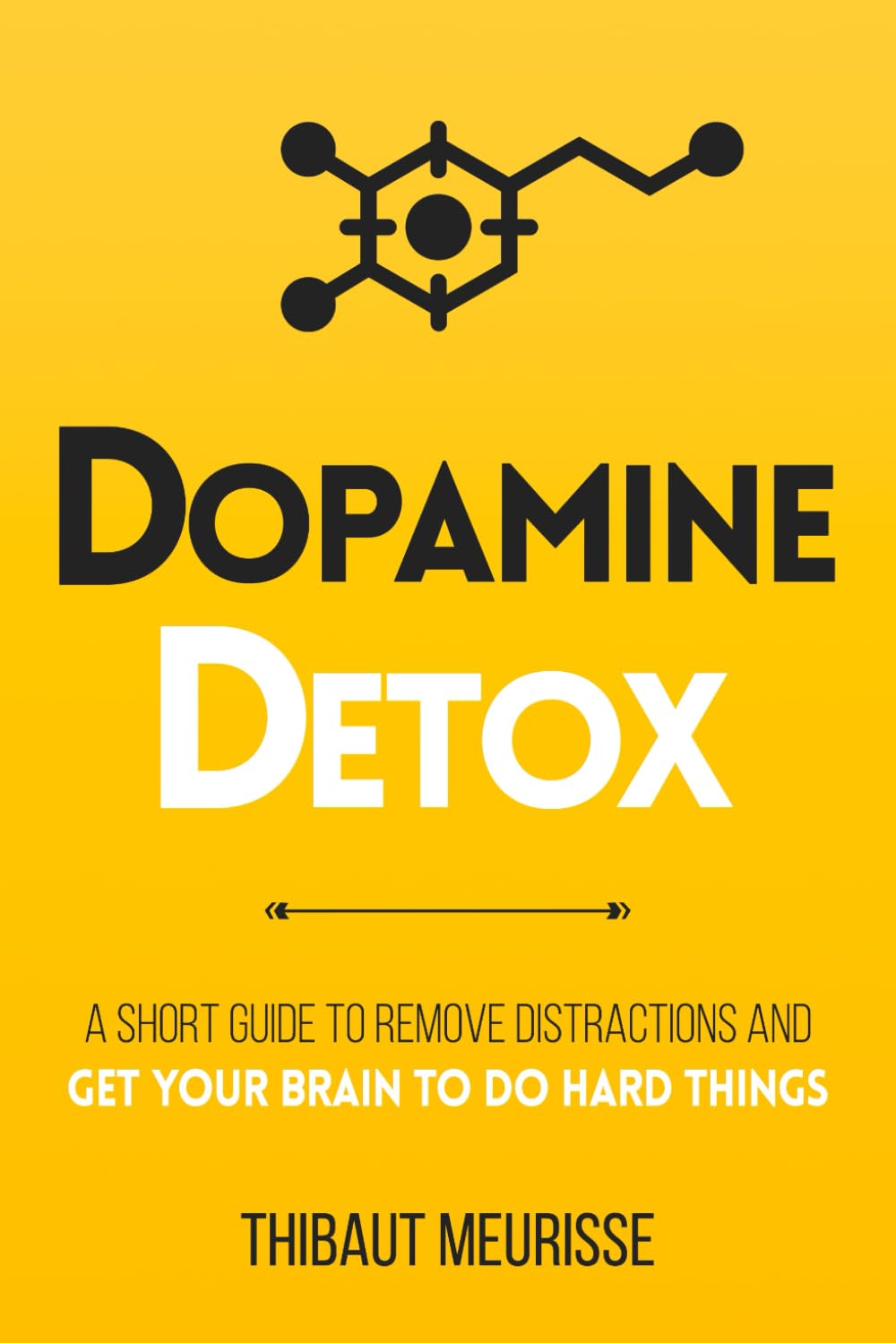
Dopamine Detox: A Short Guide to Remove Distractions and Get Your Brain to Do Hard Things
Reclaim your focus in 48 hours or less.
Do you keep procrastinating?
Do you feel restless and unable to concentrate?
Do you struggle to feel motivated about your goals?
If yes, you may be experiencing dopamine overstimulation a condition caused by constant distractions and instant gratification all around us.
In our modern world, we are continuously pulled in every direction by technology, notifications, entertainment, and endless options. As a result:
-
We feel distracted and unfocused.
-
We lose excitement for important goals.
-
We avoid difficult tasks and chase easy pleasures instead.
-
We find ourselves checking messages, getting snacks, or doing anything except what matters.
If this sounds familiar, you’re not alone you’re simply overstimulated.
Dopamine Detox
This book teaches you how to lower stimulation, reset your brain, and regain deep focus within 48 hours so you can finally work on your most important tasks.
What You’ll Learn Inside
What dopamine really is
Understand how this powerful brain chemical works—and how it affects your motivation.
The key benefits of a dopamine detox
See how a short reset can improve clarity, productivity, and emotional balance.
A 3-step detox plan you can start today
A simple system to dramatically reduce stimulation and restore your ability to focus.
Practical exercises
Learn how to eliminate distractions, build discipline, and train your brain to do hard things.
Tools to avoid future overstimulation
Easy-to-use strategies to protect your focus and maintain long-term productivity.
Why You Should Read This Book
Dopamine Detox is a straightforward, actionable guide designed to help you break free from distractions and get back to doing meaningful work. If you want practical strategies, simple steps, and real results—this book is for you.
Buy Now: Buy Now
Comparing Alcohol and Narcotics
So just how does alcohol compare to the real deal of narcotics? While both are central nervous system (CNS) depressants and highly addictive, they work in different ways on a biological level.
| Feature | Narcotics (Opioids) | Alcohol |
| Primary Mechanism | Binds to opioid receptors in the brain. | Enhances GABA and suppresses glutamate. |
| Main Medical Use | Pain relief (analgesia). | Antiseptic; historically used as an anesthetic. |
| Classification | Opioid, CNS Depressant. | CNS Depressant. |
| Key Effects | Euphoria, pain relief, severe respiratory depression. | Relaxation, disinhibition, impaired motor skills. |
| Addiction Potential | Very high. | High. |
The primary distinction is the way that they work. Narcotics are the only drugs that directly assault the opioid system, which is why medications like naloxone (Narcan) can reverse an overdose of opioids but have no impact on alcohol poisoning. Alcohol effects the GABA and glutamate systems differently.
So scientifically and pharmacologically, alcohol is not a narcotic. It is most coarsely categorized as a central nervous system depressant.
Legal and Social Perspectives
But all in all, for most people over 21 (the legal drinking age almost everywhere), alcohol is legal. That status is largely for historical and cultural reasons, not because it’s much safer than other drugs.
Alcohol has been a part of social customs, rituals and daily life for cultures all over the world throughout history. This entrenched tradition of social acceptance has made regulating it as hard to do as other drugs. In the 1920s, The United States’ Prohibition infamously proved that banning something entirely won’t work because people will find a way.
Narcotics, by contrast, are held under tight legal schedules due to their high probability of abuse and potential for harm. The legal treatment of them is very different, even though alcohol kills more people each year in the U.S. than all illegal drugs combined.
An estimated 140,000 people die each year in the U.S. from alcohol-related causes, and it is one of our top preventable killers – according to the National Institute on Alcohol Abuse and Alcoholism (NIAAA).
Expert Opinions and Scientific Consensus
There is agreement on this issue among medical experts, addiction specialists and scientific bodies. Alcohol is a CNS depressant, but they do not list it as narcotic.
Addicted and Mind on Alcohol and opioids are both addictive substances that depress the central nervous system, but “they act on different brain systems and have different pharmacological profiles,” says George Koob, M.D., director of the NIAAA.
This difference is important for therapy. Alcohol withdrawal is potentially life-threatening and usually needs to be managed under medical care, which can include controlling symptoms such as seizures and delirium tremens. Opioid withdrawal, though extremely uncomfortable, is not usually fatal. Treatment for alcohol use disorder is designed to help correct GABA/glutamate imbalance, and treatment of opioid use disorder often requires medications that can address the receptor system dependent on opioids such as methadone or buprenorphine.
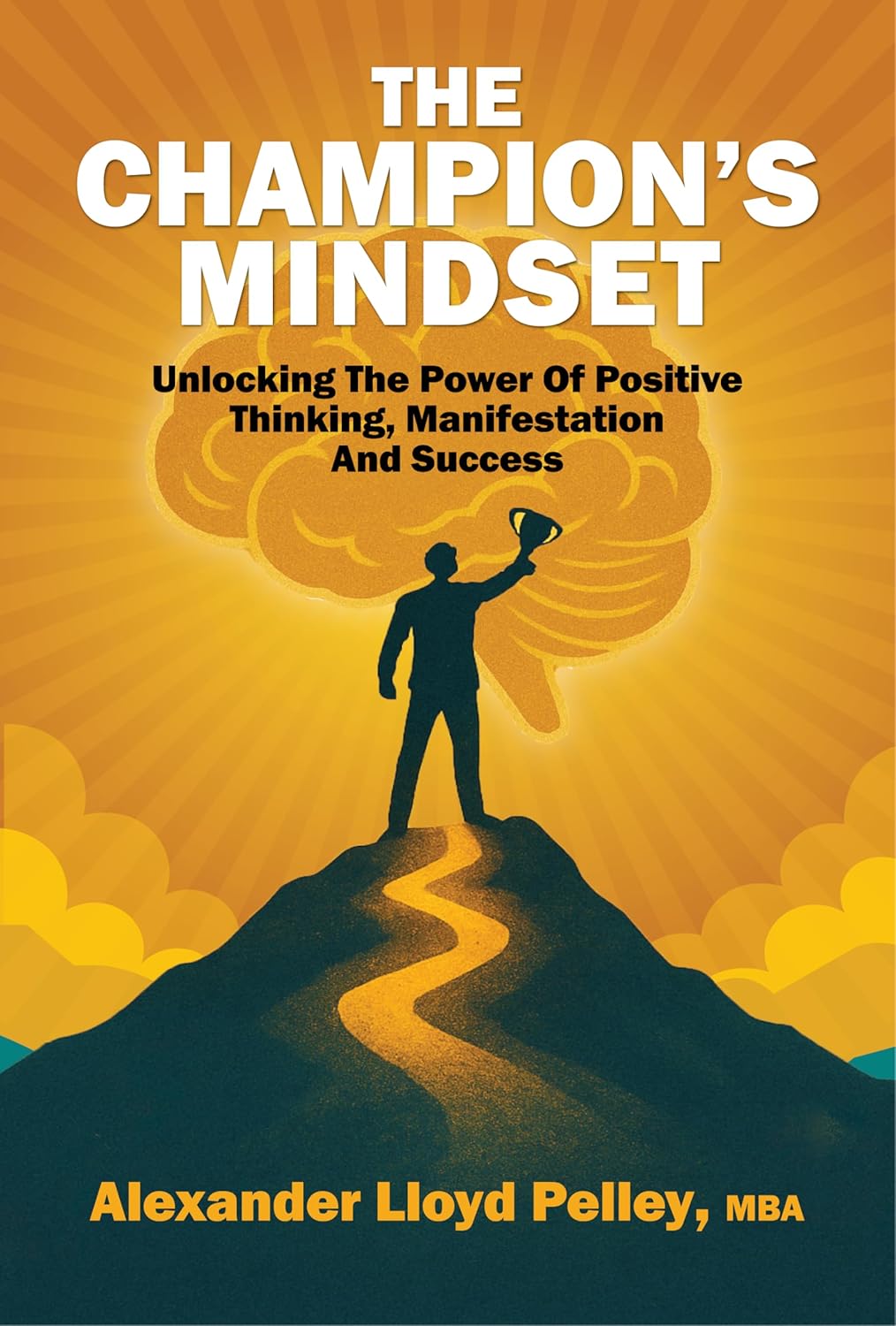
The Champion’s Mindset: Unlocking the Power of Positive Thinking, Manifestation & Success
Master the Techniques of Elite Athletes, Millionaires & Visionaries
Author: Alexander Lloyd Pelley
Success isn’t luck it’s mindset.
And this book teaches you exactly how to build it.
The Champion’s Mindset is a step-by-step guide to mastering the mental foundations of real achievement. Whether you’re chasing a new dream, rebuilding your life, or leveling up your business or career, this book helps you break through mental barriers, eliminate self-doubt, and tap into your highest potential.
What You’ll Learn Inside:
Reprogram negative thinking
Discover how to shift limiting beliefs, replace self-sabotage with confidence, and build unshakeable mental resilience.
Manifest success with intention
Align your thoughts, emotions, and actions to create the results you desire—just like top performers do.
Develop winning habits
Learn the daily routines that elite athletes, millionaires, and visionaries use to stay motivated, focused, and disciplined.
A practical system for real results
-
Set goals that actually get achieved
-
Turn failures into powerful fuel
-
Bridge the gap between dreaming big and taking bold consistent action
-
Build a mindset designed for long-term success
Grounded in science and proven in real life, this book becomes your personal playbook for thinking bigger and becoming your strongest self.
About the Author
Alex Pelley is a powerhouse coach known for transforming hundreds of lives entrepreneurs, executives, and everyday people who refuse to settle.
His qualifications include:
-
Certified DreamBuilder Coach (Brave Thinking Institute)
-
Maxwell Leadership–certified speaker & strategist
-
MBA from Edinburgh Business School
-
Elite credentials from Cornell University in Marketing Strategy & Digital Mastery
-
Trained under industry legends: Dan Kennedy, Kim Walsh-Phillips, Dr. Joe Dispenza, and Bob Proctor
He blends high-performance mindset training with cutting-edge business strategy to help people rise from rock bottom to world-class.
Buy Now: Buy Now
The Final Verdict on Alcohol
So, is alcohol a narcotic? The definitive answer is no.
Narcotics are, pharmacologically speaking, opioids which attach to the body’s opioid receptors. Alcohol as a CNS depressant exerts its effects via various neurochemical mechanisms.
Although the term “narcotic,” as Matte uses it, can be informal, alcohol is not a narcotic in legal terms. There is usually confusion which stems from the fact that both are highly addictive CNS depressants and have harmful side effects. But they work so differently biologically that even if you’re using pot, how overdoses are treated is a matter of life and death.
If you or someone you know is having problems with alcohol or any other substance, please seek help. In each of these cases, knowing what the substances are is a first step to successful treatment.
Resources for Help:
- Substance Abuse and Mental Health Services Administration (SAMHSA) National Helpline: 1-800-662-HELP (4357)
- National Institute on Alcohol Abuse and Alcoholism (NIAAA)