Prevention from Suicide, Addiction, Narcotics and Pollution. Withdrawal and Recovery Facts of Narcotics | Symptoms of Suicidal thoughts & Ideations | Effects of Environment Pollution | Understand Addiction withdrawal
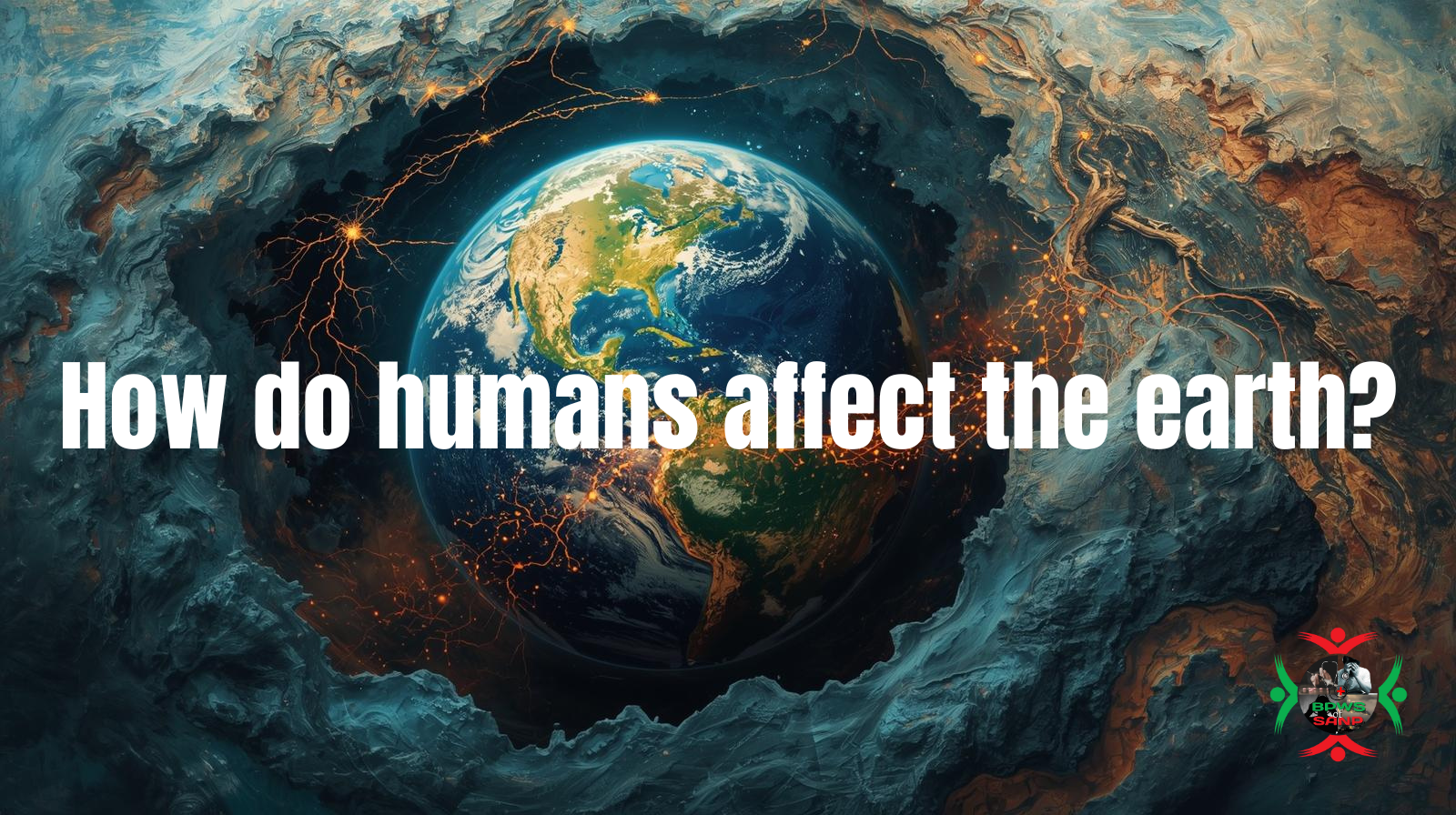 How Humans Affect the Earth: A Guide to Our Impact and Future
For thousands of years, humans lived in relative harmony with the natural world. Our footprints were light, and the Earth’s systems could easily recover from our activities. However, the Industrial Revolution marked a turning point. Since then, the human population has exploded, and our technological capabilities have advanced at a breakneck pace. We have become a geological force in our own right, altering the planet in ways that are both profound and, increasingly, alarming.
From the deepest oceans to the upper atmosphere, human activity is reshaping the physical and biological systems of our home. While progress has brought undeniable benefits to human health and longevity, it has come at a steep environmental cost. Understanding the specific ways we affect the Earth is the first step toward mitigating damage and building a sustainable future.
The Silent Crisis of Deforestation
Forests are the lungs of our planet. They absorb carbon dioxide, release oxygen, and provide habitats for countless species. Yet, we are losing them at an unprecedented rate. Every minute, vast areas of forest—roughly equivalent to 27 football fields—are cleared.
This destruction is driven primarily by agriculture. As the global demand for food, particularly meat and palm oil, rises, farmers slash and burn forests to create pastureland and cropland. Logging for timber and urban expansion further exacerbate the problem.
The consequences of deforestation are twofold. First, it accelerates climate change. Trees store massive amounts of carbon; when they are cut down or burned, that stored carbon is released back into the atmosphere. Second, it destroys biodiversity. Tropical rainforests, which are hit hardest by deforestation, house nearly half of the world’s known species. When these habitats vanish, species are pushed toward extinction, disrupting delicate ecosystems that humans rely on for clean water and disease control.
A Planet Choked by Pollution
Pollution is perhaps the most visible scar of human activity. It permeates our air, water, and soil, creating health crises for both humans and wildlife.
The Air We Breathe
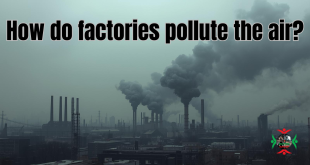
Air pollution is a silent killer. Industrial emissions, vehicle exhaust, and the burning of fossil fuels release particulate matter and toxic gases like nitrogen dioxide into the atmosphere. According to the World Health Organization, 99% of the global population breathes air that exceeds air quality limits. This not only causes respiratory and cardiovascular diseases in humans but also leads to acid rain, which damages crops, forests, and aquatic environments.
The Waters We Drink
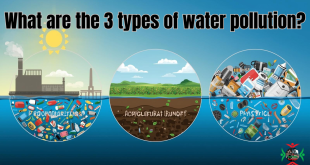
Our water bodies are under siege. Industrial waste, agricultural runoff containing pesticides and fertilizers, and untreated sewage are routinely dumped into rivers and oceans. This nutrient overload leads to eutrophication—a process where excessive algae growth depletes oxygen in the water, creating “dead zones” where marine life cannot survive. Furthermore, oil spills and plastic waste devastate marine ecosystems, killing seabirds, fish, and marine mammals.
The Land We Stand On
Land pollution is often less discussed but equally damaging. The accumulation of solid waste, coupled with the improper disposal of hazardous chemicals and nuclear waste, contaminates the soil. This toxicity can enter the food chain, affecting crops and eventually finding its way into our bodies.
The Reality of Climate Change
Climate change is the defining challenge of our time, and the scientific consensus is clear: human activities are the primary driver.
The mechanism behind this is the greenhouse effect. Certain gases in the atmosphere trap heat from the sun, keeping the planet warm enough to sustain life. However, since the mid-20th century, humans have been pumping excessive amounts of greenhouse gases—mainly carbon dioxide and methane—into the atmosphere through the burning of fossil fuels, deforestation, and industrial agriculture.
This “enhanced” greenhouse effect is causing global temperatures to rise. We are already witnessing the impacts: melting polar ice caps, rising sea levels, and more frequent and intense extreme weather events like hurricanes, heatwaves, and droughts. These changes threaten global food security, displace communities, and create geopolitical instability.
The Cost of Overconsumption
At the heart of environmental degradation lies a culture of overconsumption. Particularly in developed nations, the current economic model relies on the continuous extraction of raw materials to produce goods that are often used briefly and then discarded.
This linear “take-make-waste” economy puts immense pressure on the Earth’s finite resources. We are extracting minerals, fossil fuels, and biomass faster than the planet can replenish them. This depletion affects everything from fresh water availability to the rare earth metals needed for our electronics.
Simultaneously, we face a waste management crisis. The world generates over 2 billion tons of municipal solid waste annually. A significant portion of this ends up in landfills, where it decomposes and releases methane, or in the natural environment as litter. The proliferation of single-use plastics is a stark example of this issue, creating a material that lasts for centuries but is often used for only minutes.
Turning the Tide: Solutions and Mitigation
The picture painted by human impact is stark, but it is not hopeless. We have the knowledge and the technology to reverse many of these trends.
Individual Action
Change often starts at the individual level. Reducing meat consumption, minimizing energy use at home, and opting for public transport or electric vehicles can significantly lower a person’s carbon footprint. Practicing the “three Rs”—Reduce, Reuse, Recycle—helps combat the waste crisis. Simple choices, like refusing single-use plastics and supporting sustainable brands, send a powerful signal to the market.
Systemic Change
While individual actions matter, systemic change is crucial. Governments must implement stricter regulations on emissions and pollution, end subsidies for fossil fuels, and invest heavily in renewable energy infrastructure like wind and solar power.
Corporations also have a pivotal role to play. By adopting circular economy principles—where products are designed to be reused, repaired, and recycled—businesses can decouple economic growth from resource extraction. Corporate responsibility initiatives need to move beyond greenwashing to substantial commitments to carbon neutrality and sustainable supply chains.
Securing a Sustainable Future
Humans have affected the Earth in ways that will be felt for millennia. We have altered the atmosphere, acidified the oceans, and reshaped the landscape. However, human ingenuity is also a powerful force. Just as we have the power to destroy, we have the capacity to innovate and repair.
The transition to a sustainable future requires a fundamental shift in how we view our relationship with the planet. It is not an infinite resource to be exploited, but a life-support system that must be stewarded. By acknowledging the scale of our impact and taking decisive action now, we can ensure that the Earth remains a hospitable home for future generations.