Prevention from Suicide, Addiction, Narcotics and Pollution. Withdrawal and Recovery Facts of Narcotics | Symptoms of Suicidal thoughts & Ideations | Effects of Environment Pollution | Understand Addiction withdrawal

Corporate Pollution Facts: The Real Environmental Impact of Big Business
Corporate pollution is one of the greatest environmental challenges of our time. When big corporations put profit before environmental stewardship, the repercussions are felt around ecosystems, communities and public health systems across the globe. We must first know the magnitude of corporate-sponsored pollution if we want meaningful change.
Corporate pollution is the pollution of air, water, or soil through a corporation’s operations. Unlike a random murder, pollution by corporations operates at large scales whose repercussions are felt across entire regions and millions of people. The environmental harms also extend beyond local damage, contributing to climate change and biodiversity loss as well as the emergence of major health crises.
This wide-ranging examination of corporate pollution facts uncovers the full extent of industrial environmental destruction and considers strategies for reining in corporate environmental responsibility.

LEVOIT Core300-P Air Purifier – Breathe Cleaner, Fresher Air Every Day!
If you want a powerful, quiet, and trusted air purifier for your home or bedroom, this one is a top choice!
Top Features:
• Covers up to 1,073 ft² – ideal for bedrooms, living rooms & offices
• 56W High-Torque Motor for fast and effective air purification
• True HEPA 3-in-1 Filtration removes dust, smoke, pollen, pet hair & odors
• 99.97% filtration efficiency for particles as small as 0.1–0.3 microns
• AHAM, CARB, EPA & ETL Certified – independently tested and trusted
• Ultra-Quiet Sleep Mode (24 dB) – enjoy fresher air without any noise
• Multiple filter options based on your needs (Toxin absorber, Smoke remover, Pet allergy, etc.)
Compact, powerful, and beautifully designed perfect for anyone who wants cleaner indoor air and easier breathing.
👉 Check it out here: Buy Now
Types of Corporate Pollution
Air Pollution
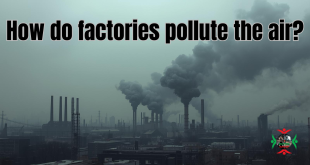
Manufacturing industries, power stations and chemical plants emit billions of tons of pollutants into the atmosphere every year. These emissions are among those that directly form smog and directly cause respiratory problems, which no doubt can be linked to COVID-19 conditions.
The fossil fuel industry is the biggest cause of air pollution – coal-fired power plants alone account for about 30% of all global CO2 emissions. Chemical plants and refineries emit volatile organic compounds as well as toxic gases that form ground-level ozone and acid rain.
Water Pollution
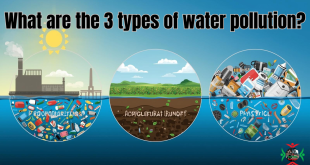
Industrial water pollution Companies often discharge untreated, or inadequately treated, wastewater into streams, rivers and oceans. This pollution consists of heavy metals, chemicals, gasoline and anything that falls into the water which kills aquatic life and pollutes our drinking supply.
Textile makers, paper mills and pharmaceutical companies often make the list of worst water polluters. Their effluent frequently includes dyes, bleaches and man-made chemicals that can take decades to degrade in waterways.
Soil Contamination
And business activities pollute the earth when they don’t properly dump waste, spill chemicals, or add harmful pesticides and fertilizers. They also create huge areas of polluted land that are no longer available for farming or development.
Heavy metals such as lead, mercury and cadmium from industrial activity enter the soil, poisoning it for plant life and making it unsafe to touch for humans. Giant corporate farms, with their overwhelming use of pesticides that destroy not only the quality of soil but its living organisms.
Noise Pollution
Corporate sound pollution is a less studied, yet pervasive issue impacting both the health of people and habitat. Structure contractors, airports, factories and transportation systems generate long-term noise that surpasses safe levels.
“This kind of pollution affects his sleep, increases stress and prevents wildlife from communicating and migrating easily.
Statistics and Facts About Corporate Pollution
The statistics of corporate pollution reflect the staggering size and scope of industrial practices that damage our environment:
Carbon Emissions: 100 companies have been the source of more than 70% of the world’s greenhouse gas emissions since 1988. These companies, mainly in the fossil fuel industry, have deliberately caused climate change and then lied about it.

BNX TruFilter 20x20x1 (MERV 13) – Premium Air Filter 6-Pack | Made in USA
Upgrade your home’s air quality with these high-performance filters designed to trap the smallest airborne particles while keeping airflow smooth and efficient.
Key Features:
• MERV 13 Rated – Captures up to 98% of microscopic particles like dust, pollen, pet dander, smoke, mold, bacteria & virus-carriers
• 6-Pack Value – Long-lasting protection for your HVAC, AC, or furnace systems
• Electrostatic Pleated Design – Superior filtration with low airflow resistance
• Made in the USA – Manufactured in a certified, eco-friendly facility
• Sustainable Build – One-piece frame made from recycled cardboard
• Compatible Size – Actual dimensions: 19 11/16” x 19 11/16” x 3/4”
• Outperforms standard fiberglass filters and ensures cleaner, healthier indoor air
Perfect for allergy sufferers, pet owners, and anyone wanting fresher, cleaner air at home.
👉 Check it out here: Buy Now
Pollution of Water: Industrial processes often contaminate around 14,000 gallons of water per day on a global scale. The chemicals and the manufacturing are responsible for over 1.2 billion gallons of water becoming polluted every year, in the US alone.
Impacts on Air Quality: According to one report, corporate air pollution is suspected of causing approximately 8.8 million premature deaths per year worldwide. Fine particulate pollution from industry causes heart disease, stroke, lung cancer and chronic respiratory diseases.
Toxic Waste Production: US facilities alone produce more than 40 million tons of toxic waste each year. Only 5% are properly treated, and the rest are often dumped into landfills or on to roads.
Ocean Pollution: Corporations dump an estimated 8 millions of tons of plastic waste into the sea annually. Discarded fishing industry refuse makes up about half the Great Pacific Garbage Patch.
Case Studies of Corporate Pollution
Exxon Valdez Oil Spill
The 1989 Exxon Valdez oil spill in Alaska’s Prince William Sound dumped 11 million gallons of crude oil into the area, decimating marine life and local communities. It was a lasting environmental disaster, with oil still visible in the shoreline sediments more than three decades later.
Union Carbide Gas Leak
In India, the 1984 Bhopal disaster released toxic methyl isocyanate gas from a Union Carbide pesticide plant that killed thousands in hours and immediately sickened hundreds of thousands. The accident underscored how corporate indifference to safety measures can lead to environmental and public health catastrophes.
BP Deepwater Horizon
The 2010 BP oil spill in the Gulf of Mexico was an 87-day disaster that released 4.9 million barrels of oil, marking the largest marine oil spill in history. The disaster claimed the lives of 11 workers, polluted 1,300 miles of coastline and caused lasting harm to marine life and fishing communities.
Regulations and Compliance
Environmental regulations aim to limit corporate pollution through legal frameworks and enforcement mechanisms. The Clean Air Act, the Clean Water Act, and the Resource Conservation and Recovery Act set limits on pollution in the United States and penalties for not complying with these limits.
However, enforcement remains inconsistent. Most companies treat environmental fines as a cost of doing business, not a deterrent. Fines are usually low in relation to the profits of polluting activities.
International accords such as the Paris Climate Accord, that try to coordinate a global response to corporate pollution are only as effective as its member- countries and their willingness to commit companies that operate within their borders.
Government regulators like the Environmental Protection Agency are constrained by budget limitations and political pressure, limiting their efficacy in monitoring and punishing corporate polluters.
Solutions and Prevention Strategies
Tackling business pollution needs all-of-the-above regulation, innovation and market incentives:
Tighten enforcement: Impose real financial fines worse than the profit from a polluting act. Personal liability for executives who knowingly contribute to environmental damage Criminal charges against executives who willingly cause damage to the environment.
Investment in Technology: Investing in R&D of cleaner production technologies helps firms reduce pollution without threatening their bottom line. Government support for the adoption of clean technologies is expediting this shift.
Transparency: Required environmental impact reporting compels corporations to publicly reveal their pollution levels, and how they are cutting down. Such transparency empowers consumer and investor choice.
Extended Producer Responsibility: By requiring companies to be legally responsible for the collection. Disposal and recycling of their products from inception to end-of-life. We can drive changes in product design which alleviate environmental impact.
Carbon Pricing: Putting a price, such as with carbon taxes or cap-and-trade systems, on pollution encourages the market to come up with cleaner options.

LifeStraw Personal Water Filter for Hiking, Camping, Travel & Emergency Preparedness
Key Features:
-
Brand: LifeStraw
-
Special Feature: Protects against 99.999999% of bacteria (E. coli, Salmonella), 99.999% of parasites (Giardia, Cryptosporidium), and 99.999% of microplastics, as well as dirt, sand, and cloudiness
-
Dimensions: 8.66″ x 0.98″ x 0.98″
-
Installation Type: Potable drinking water
-
Power Source: No electricity or batteries required
-
Weight: 0.04 kg
-
Capacity: 4,000 liters
-
Purification Method: Membrane microfilter
-
Included Components: LifeStraw Personal Water Filter
About This Item
-
Removes Bacteria & Parasites:
Eliminates 99.999999% of waterborne bacteria (like E. coli and Salmonella) and 99.999% of parasites (including Giardia and Cryptosporidium). Perfect for survival kits and emergency use. -
Removes Microplastics:
Filters even the smallest microplastics (down to 1 micron) and reduces turbidity to 0.2 microns, making it ideal for hiking, camping, and travel. -
Lab-Tested Reliability:
Every claim is backed by rigorous testing in certified labs following US EPA, NSF, and ASTM standards. -
Long-Lasting:
Provides up to 4,000 liters (1,000 gallons) of clean drinking water an essential item for bug-out bags and outdoor adventures. -
Social Impact:
For every LifeStraw purchased, a child in need receives safe drinking water for a full school year. Made with BPA-free materials.
🔗 Product Link: Buy Now
Moving Toward Environmental Responsibility
The facts about corporate pollution prove the necessity of strategic systemic change to how our economy is run. The magnitude of environmental devastation wrought by corporate enterprise demands a sense of urgency from companies, governments and consumers.
Businesses being proactive with their environmental impact find cost savings from increased efficiency and throwing away less. Progressive companies are already placing bets on renewable energy, circular economy, and sustainable supply chain initiatives.
The pressure is coming from consumers who are demanding environmentally friendly products. Which in turn puts market pressure on companies to operate in a cleaner manner. Responsible investment investment decisions are driven by environmental. Social and governance (ESG) factors, which make companies adopt environmentally sensitive corporate practices.
The world is not going to shift overnight: companies must be held accountable for their environmental impact. Regulation needs to be effective and enforced by governments. Consumers need to back companies that care more about the future than short-term gain.