Prevention from Suicide, Addiction, Narcotics and Pollution. Withdrawal and Recovery Facts of Narcotics | Symptoms of Suicidal thoughts & Ideations | Effects of Environment Pollution | Understand Addiction withdrawal
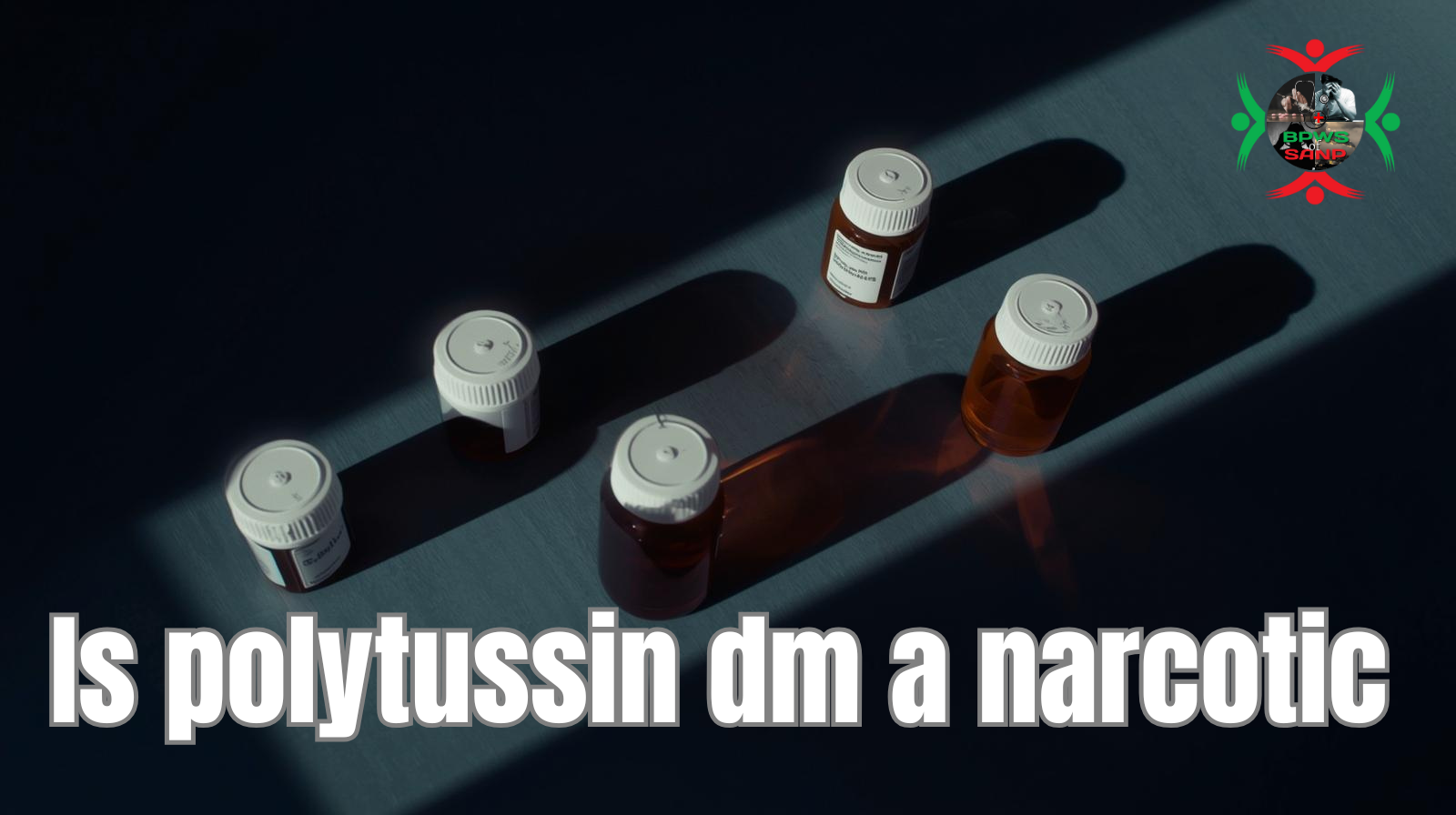 Is Polytussin DM a Narcotic? The Facts on Cough Syrup Safety
Navigating the pharmacy aisle during cold and flu season can feel overwhelming. With shelves stacked high with colorful boxes and bottles, deciphering which medication is safe and effective requires a bit of knowledge. Among the common options for treating stubborn coughs and congestion is Polytussin DM.
While it is a widely used medication, confusion often surrounds its classification. Stories about cough syrup misuse and the presence of opioids in some formulations lead many consumers to wonder: Is Polytussin DM a narcotic? Understanding what you are putting into your body is essential for safety, especially when treating yourself or family members for minor illnesses.
This guide breaks down the active ingredients in Polytussin DM, explains the medical and legal definitions of narcotics, and clarifies where this specific medication fits into the picture. By the end, you will have a clear understanding of how to use this medicine safely and effectively.
Defining the Term: What is a Narcotic?
To answer whether Polytussin DM is a narcotic, we first need to agree on what that word actually means. The term “narcotic” is often used loosely in casual conversation to describe any drug that makes you sleepy or is illegal. However, in medical and legal contexts, it has a specific definition.
Medically, a narcotic (or opioid) is a substance that binds to opioid receptors in the brain to reduce pain and produce sedation. Common examples include morphine, codeine, oxycodone, and heroin. These drugs are powerful analgesics but come with a high risk of addiction and physical dependence.
Legally, the definition can be broader depending on the jurisdiction, but it generally refers to controlled substances listed under specific schedules by agencies like the Drug Enforcement Administration (DEA). These are drugs with a high potential for abuse. The key question is whether the ingredients in Polytussin DM fit this strict profile.
Breaking Down Polytussin DM Ingredients
Polytussin DM is a combination medication designed to tackle two specific symptoms: coughing and chest congestion. The “DM” in the name is a major clue regarding its contents. It typically indicates the presence of Dextromethorphan.
The two primary active ingredients are:
- Dextromethorphan Hydrobromide: This is a cough suppressant (antitussive). It works by affecting the signals in the brain that trigger the cough reflex.
- Guaifenesin: This is an expectorant. It helps thin and loosen mucus in the lungs, making it easier to cough up and clear from your airways.
Neither of these ingredients is classified as a narcotic in the traditional sense, but Dextromethorphan has a unique chemical history that often leads to confusion.
The Truth About Dextromethorphan (DXM)
Dextromethorphan is the ingredient that causes the most debate regarding the “narcotic” label. Chemically, it is synthetically derived and structurally related to codeine and morphine. Because it belongs to the morphinan class of chemicals, it shares a distant family tree with opioids.
However, despite this chemical relation, Dextromethorphan does not act on the body the same way opioids do. At recommended medical doses, it does not relieve pain or produce the euphoria associated with traditional narcotics. It specifically targets the cough center in the brain.
Because it lacks the strong analgesic (pain-killing) and sedative properties of opiates, pharmacology textbooks and medical professionals generally do not classify Dextromethorphan as a narcotic. It is arguably the most common non-narcotic cough suppressant available over the counter.
Why the confusion exists
The confusion stems from two main issues. First, many prescription cough syrups do contain codeine or hydrocodone, which are narcotics. People often group all cough syrups into the same mental category.
Second, Dextromethorphan can be misused. When taken in extremely large doses—far exceeding the recommended therapeutic amount—it acts as a dissociative hallucinogen. This misuse, often called “robotripping,” can cause hallucinations and a sense of detachment from reality. This potential for abuse is why some people mistakenly assume it must be a narcotic, even though its mechanism of action is different.
Legal Status and Classification
So, is Polytussin DM a controlled substance?
In the United States, Polytussin DM is not a controlled substance under the Controlled Substances Act. This means it is not in the same legal category as medications containing codeine or hydrocodone. You typically do not need a special prescription that is tracked by federal drug monitoring programs to obtain it, although prescription-strength versions of DM products do exist.
However, “not controlled” does not mean “unregulated.” Because of the potential for misuse mentioned earlier, many states have enacted laws restricting the sale of products containing Dextromethorphan. In widespread areas across the U.S., you must be at least 18 years old to purchase medicines like Polytussin DM, and retailers are required to check ID.
These age restrictions are a safeguard against teen misuse, but they do not promote the drug to “narcotic” status legally.
Appropriate Medical Use
When used as directed, Polytussin DM is a safe and effective tool for managing cold symptoms. It is best suited for a “productive” cough—one where you have congestion but are struggling to get the mucus out, or where a dry, hacking cough is preventing you from sleeping.
Typical usage guidelines include:
- Adherence to dosage: Never exceed the amount listed on the label or prescribed by a doctor. More medication does not mean faster relief and can lead to dangerous side effects.
- Short-term use: This medication is intended for temporary relief. If a cough persists for more than a week, comes back, or occurs with fever, rash, or persistent headache, it requires medical attention.
- Hydration: Because it contains Guaifenesin, drinking plenty of water is crucial. The water works with the medication to help thin the mucus in your lungs.
Risks and Side Effects
Even though Polytussin DM is not a narcotic, it is a potent medication that carries risks. Dextromethorphan can interact negatively with other substances.
Serotonin Syndrome: One of the most severe risks involves mixing DXM with certain antidepressants, specifically MAOIs (Monoamine Oxidase Inhibitors) and SSRIs. This combination can lead to Serotonin Syndrome, a potentially life-threatening condition characterized by high fever, confusion, and rapid heart rate.
Drowsiness and Dizziness: While less sedating than codeine, Dextromethorphan can still cause mild drowsiness or dizziness in some people. Caution is advised when driving or operating machinery until you know how the medicine affects you.
Gastrointestinal Issues: Guaifenesin can sometimes cause nausea, vomiting, or stomach pain, especially if taken on an empty stomach.
Frequently Asked Questions
Can taking Polytussin DM make you fail a drug test?
Standard drug screens do not test for Dextromethorphan. However, because of its chemical structure, there have been anecdotal reports of DXM triggering false positives for opiates or PCP on initial rapid screening tests. If you are taking a drug test, always disclose what medications you are currently using to the testing laboratory so they can perform confirmatory testing if necessary.
Is Polytussin DM addictive?
Polytussin DM is generally not considered addictive when used as directed for short periods. It does not cause physical dependence in the same rapid and severe way that opioids do. However, psychological dependence can occur in individuals who misuse the drug for recreational purposes.
Can I drink alcohol while taking Polytussin DM?
No. You should avoid alcohol while taking this medication. Alcohol can increase the nervous system side effects of Dextromethorphan, such as dizziness, drowsiness, and difficulty concentrating. It can also exacerbate the potential for liver strain.
Treating Your Cough with Confidence
To summarize: Polytussin DM is not a narcotic. It does not contain opiates like codeine or hydrocodone. Instead, it relies on Dextromethorphan to suppress coughs and Guaifenesin to clear congestion.
While it lacks the heavy legal restrictions of controlled substances, it is a serious medication that demands respect. Its chemical relationship to opioids and its potential for misuse at high doses means it should be used strictly according to label instructions. By understanding exactly what is in your medicine cabinet, you can make informed decisions that keep you and your family safe during the cold and flu season.
If you have any doubts about whether Polytussin DM is right for your specific symptoms or if it interacts with medications you are currently taking, the best course of action is always to consult your pharmacist or primary care physician.