Prevention from Suicide, Addiction, Narcotics and Pollution. Withdrawal and Recovery Facts of Narcotics | Symptoms of Suicidal thoughts & Ideations | Effects of Environment Pollution | Understand Addiction withdrawal
What Are Narcotic Drugs? A Guide to Their Use and Risks
The term “narcotic” often brings to mind images of illicit substances and serious addiction. While this isn’t entirely wrong, the full story is more complex. Narcotic drugs include some of the most effective pain relief medications available, but their powerful effects also carry significant risks. Understanding what narcotic drugs are, how they work, and the dangers associated with them is crucial for anyone prescribed these medications or concerned about their use.
This guide provides a comprehensive overview of narcotic drugs. We will explore their history, different types, and their effects on the body and mind. We will also cover the serious risks of use, including addiction and overdose, and discuss the legal regulations and available treatment options for those who struggle with opioid addiction. By the end, you’ll have a clearer understanding of these potent substances and why they must be handled with extreme care.
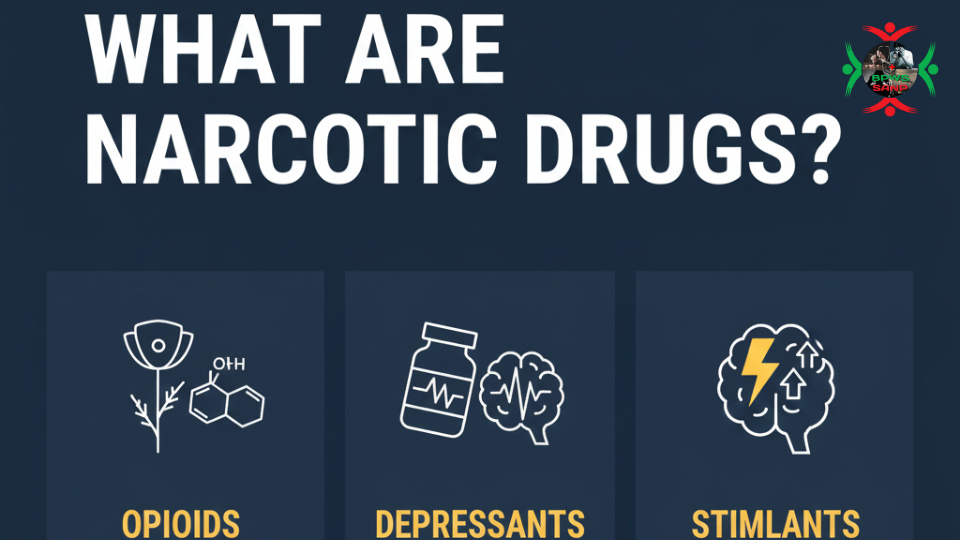
What Are Narcotic Drugs?
Technically, a narcotic is any drug that induces narcosis—a state of stupor, drowsiness, or insensibility. Historically, the term was used broadly to refer to any psychoactive compound with sleep-inducing properties. Today, in a legal and medical context, “narcotic drugs” primarily refer to opioids.
Opioids are a class of drugs that are either derived from the opium poppy plant or are synthetically created to have similar effects. Their main function is to interact with opioid receptors on nerve cells in the brain and body to block pain signals and produce feelings of pleasure or euphoria. This makes them highly effective for managing severe pain.
The use of opium dates back thousands of years, with ancient civilizations in Mesopotamia, Egypt, and Greece using it for both medicinal and recreational purposes. The primary active ingredient in opium, morphine, was first isolated in the early 19th century, revolutionizing pain management. Heroin, a semi-synthetic derivative of morphine, followed a few decades later and was initially marketed as a non-addictive cough suppressant. The 20th century saw the development of many synthetic opioids, expanding the arsenal of available pain medication.
Types of Narcotic Drugs
Narcotic drugs can be categorized based on their origin and how they interact with opioid receptors. They range from prescription medications to illegal street drugs.
Natural and Semi-Synthetic Opioids
These are derived directly from the opium poppy.
- Morphine: A powerful natural opioid often used in hospital settings to treat severe pain, such as after surgery or for cancer-related pain.
- Codeine: A less potent natural opioid, commonly found in prescription pain relievers and cough syrups.
- Heroin: A semi-synthetic opioid made from morphine. It is highly addictive and illegal in most countries. It produces intense euphoria, making it a common drug of abuse.
Synthetic Opioids
These are entirely man-made in a laboratory but are designed to mimic the effects of natural opioids.
- Fentanyl: A synthetic opioid that is 50 to 100 times more potent than morphine. It is prescribed for severe pain but is also illicitly manufactured and sold, contributing significantly to overdose deaths.
- Oxycodone (OxyContin, Percocet): A powerful semi-synthetic opioid prescribed to treat moderate to severe pain. It has a high potential for abuse and addiction.
- Hydrocodone (Vicodin, Lortab): Similar to oxycodone, doctors commonly prescribe this opioid for pain relief after injuries or dental procedures.
- Methadone: A long-acting synthetic opioid used for pain relief and, more commonly, as part of medication-assisted treatment (MAT) for opioid addiction.
Effects of Narcotics on the Body and Mind
Narcotic drugs have profound effects on both physical and psychological well-being. These effects can be divided into short-term and long-term impacts.
Short-Term Effects
When a person takes a narcotic, they typically experience:
- Pain Relief (Analgesia): This is the primary medical reason for their use.
- Euphoria: A feeling of intense happiness and well-being.
- Drowsiness and Sedation: Users often feel sleepy or relaxed.
- Slowed Breathing: Opioids depress the respiratory system, which can be dangerous.
- Nausea and Constipation: These are common side effects of opioid use.
Long-Term Effects
With prolonged use, the body and brain begin to change, leading to several long-term consequences:
- Tolerance: The body requires higher doses of the drug to achieve the same effect.
- Dependence: The body adapts to the presence of the drug and experiences physical withdrawal symptoms if use is stopped abruptly.
- Addiction: A chronic, relapsing brain disease characterized by compulsive drug seeking and use despite harmful consequences.
- Increased Risk of Overdose: As tolerance builds, users may take dangerously high doses, leading to respiratory failure, coma, and death.
- Mental Health Issues: Long-term use can worsen or trigger conditions like depression and anxiety.
The Dangers of Narcotic Drug Use
The powerful nature of narcotic drugs means they come with serious risks, particularly opioid addiction and overdose.
The opioid crisis, particularly in the United States, highlights the devastating consequences of widespread narcotic use. It began in the late 1990s when pharmaceutical companies marketed opioid pain relievers as non-addictive, leading to over-prescription. Many individuals who started with a legitimate prescription for pain medication developed a dependency that, in some cases, led to addiction and the use of illicit opioids like heroin.
An overdose occurs when a person takes a dose large enough to cause severe adverse effects or death. With opioids, the primary cause of death is respiratory depression—breathing becomes so slow and shallow that the brain doesn’t get enough oxygen. Potent synthetic opioids like fentanyl create an especially high overdose risk because dealers often mix them into other street drugs without telling the user.
Legal Status and Regulations
Due to their high potential for abuse and addiction, narcotic drugs are tightly controlled by law. In the United States, the Drug Enforcement Administration (DEA) classifies them as controlled substances. Most prescription opioids fall under Schedule II drugs because they carry a high potential for abuse and can cause severe psychological or physical dependence, yet they still have accepted medical uses.
These regulations mean that doctors must follow strict guidelines when prescribing opioid pain medication. Laws also govern the manufacturing, distribution, and dispensing of these drugs to prevent them from being diverted for illegal use.
Treatment for Narcotic Addiction
Opioid addiction is a treatable medical condition, but it requires comprehensive and often long-term care. Effective treatment typically involves a combination of medication, therapy, and support.
- Medication-Assisted Treatment (MAT): This involves using medications like methadone, buprenorphine, or naltrexone to reduce cravings and withdrawal symptoms, allowing the individual to focus on recovery.
- Behavioral Therapies: Cognitive-behavioral therapy (CBT) and contingency management help individuals change their thinking and behavior patterns related to drug use.
- Support Groups: Programs like Narcotics Anonymous (NA) provide peer support and a community for individuals in recovery.
- Inpatient and Outpatient Programs: Depending on the severity of the addiction, a person may enter a residential treatment facility or attend an outpatient program while living at home.
Seeking Help and Moving Forward
Narcotic drugs are a double-edged sword. They are indispensable tools for managing severe pain, but their potential for addiction and overdose cannot be underestimated. If you or someone you know is prescribed an opioid pain medication, it is vital to use it exactly as directed and communicate openly with your doctor about any concerns.
If you suspect you are developing a dependence or are struggling with opioid addiction, know that help is available. The first step is reaching out to a healthcare professional, a mental health specialist, or a substance abuse hotline. Overcoming addiction is a challenging journey, but with the right support and treatment, recovery is possible.