Prevention from Suicide, Addiction, Narcotics and Pollution. Withdrawal and Recovery Facts of Narcotics | Symptoms of Suicidal thoughts & Ideations | Effects of Environment Pollution | Understand Addiction withdrawal
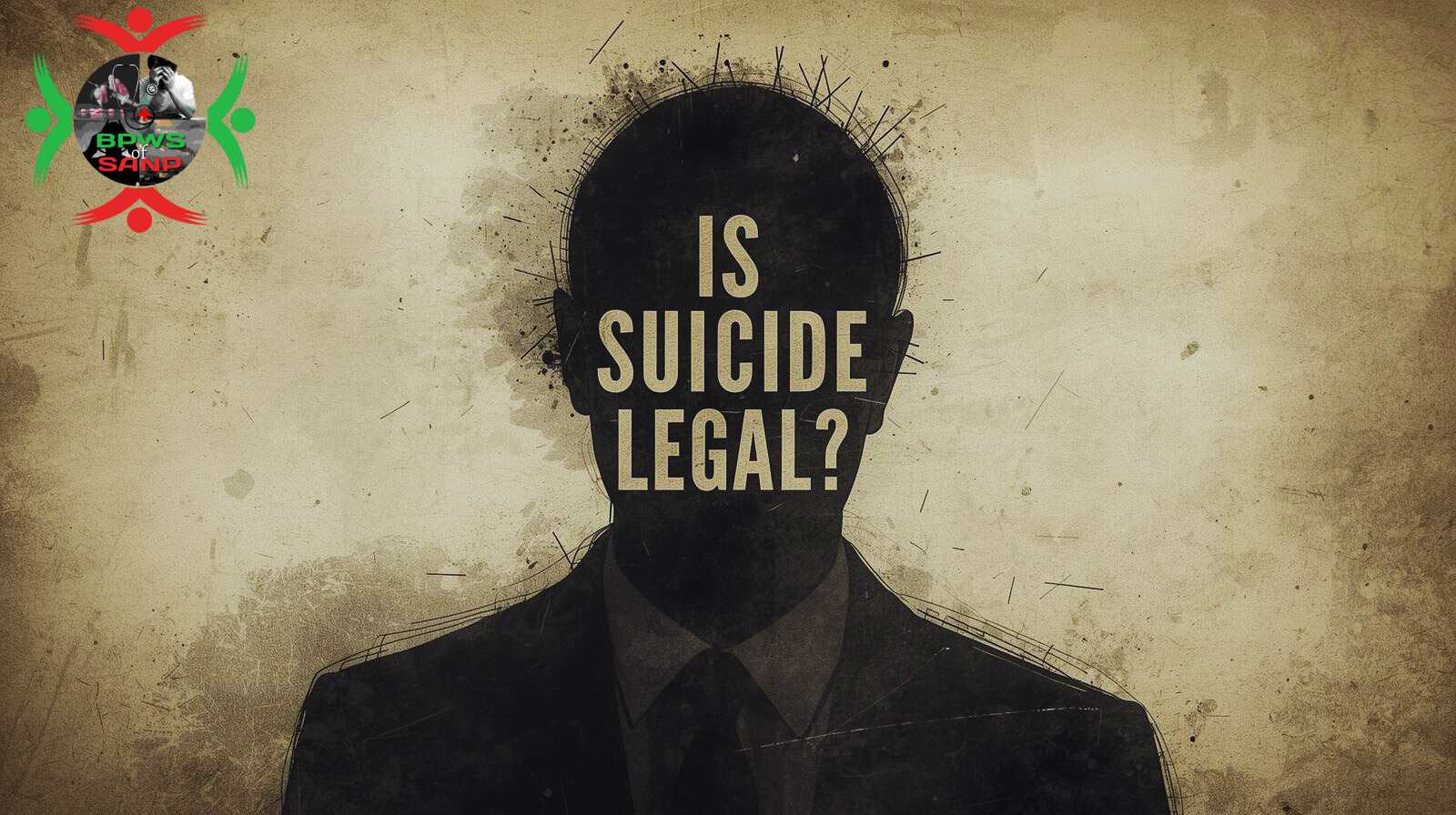
Is Suicide a Legal Matter? A Global Overview
Suicide is a really difficult and sensitive topic to talk about. The question, “Is suicide legal?” opens a conversation across law, ethics, mental health and deeply personal beliefs. While the law has been reformed so that the action of committing suicide is no longer a crime in most countries, the legal and social framework remains complex.
This post seeks to offer a compassionate yet matter-of-fact look at the subject. We will look at the legality of suicide in different areas, consider moral issues, the importance of mental health, and explain related concepts like assisted suicide. But most importantly, we plan make sure you have links to resources if you are suffering and in need of help.
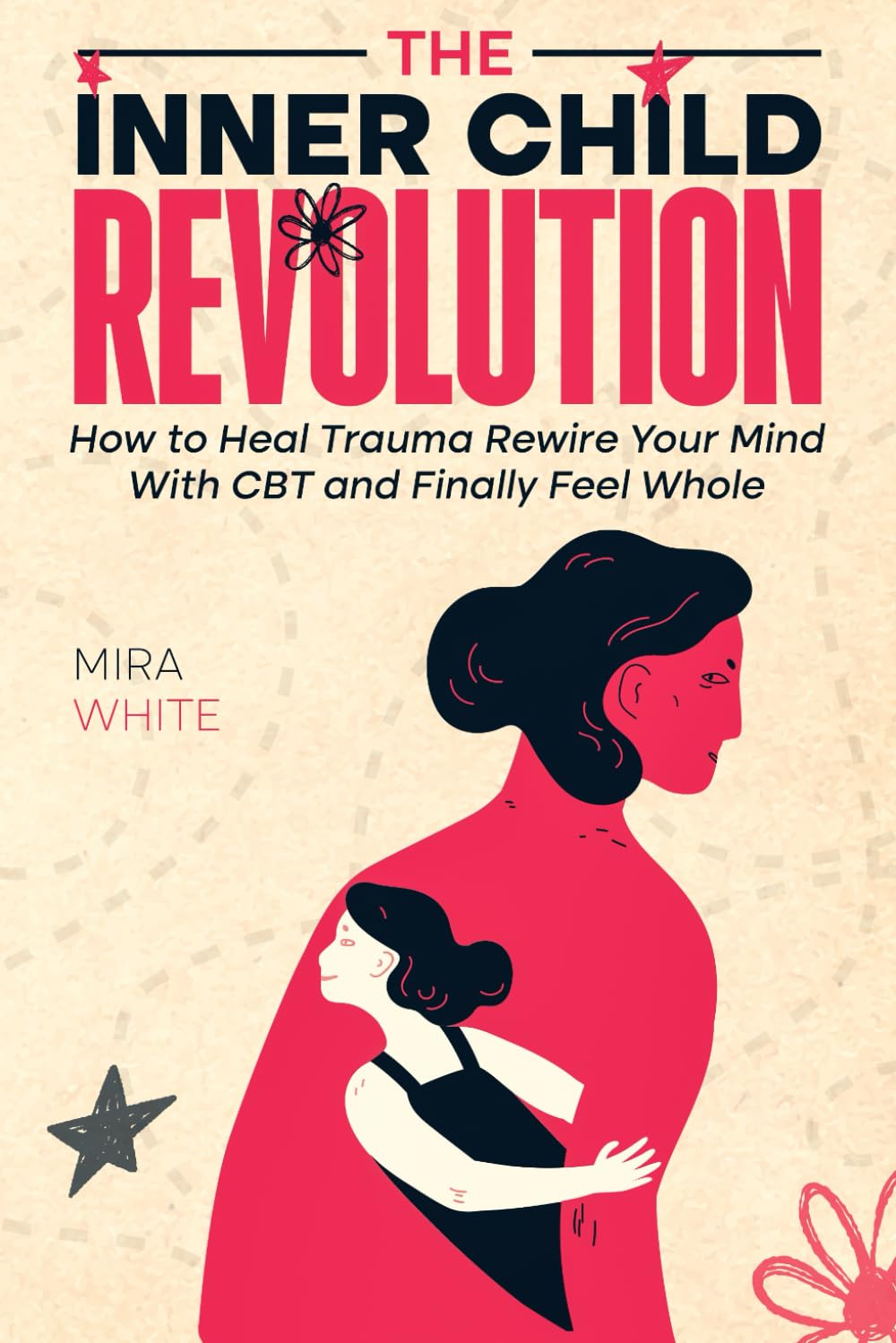
The Inner Child Revolution: How to Heal Trauma, Rewire Your Mind with CBT and Finally Feel Whole
Transform the patterns that hold you back and start living the life you deserve.
Do you ever feel like something from your past keeps you stuck?
Maybe it’s self-doubt that won’t go away… emotional pain that keeps resurfacing… or a voice in your head saying you’ll never be “enough.”
You’re not broken you’re healing, and this book will show you how.
Psychologist Mira White draws on years of clinical experience and Cognitive Behavioral Therapy (CBT) to help you understand the origins of your emotional wounds – and how to release them with compassion and structure.
This practical, science-based guide provides tools to recognize, challenge, and rewire the beliefs that keep you trapped in self-sabotaging cycles.
What You’ll Learn
-
Reparent your inner child and heal attachment wounds
-
Overcome overthinking, guilt, and emotional burnout
-
Build unshakable confidence and self-trust
-
Let go of toxic relationships and patterns
-
Create daily habits that nurture mental peace
If you’ve ever wondered why you feel the way you do – and how to change it – this book is your roadmap to healing.
Stop reliving the past and start shaping your future, one mindful step at a time.
About the Author
Mira White holds a Master’s Degree in Psychology and has spent years helping clients transform emotional pain into clarity and confidence.
She combines CBT, mindfulness, and inner child work to make psychological healing accessible and empowering for everyday life.
With a warm, encouraging voice and a deep understanding of the human mind, Mira helps readers heal, grow, and thrive.
Perfect For Readers Who Want To:
-
Heal from childhood trauma or emotional neglect
-
Break free from self-criticism and fear
-
Use CBT techniques to change negative thought patterns
-
Discover a structured, empathetic path to emotional freedom
Grab your copy here: Buy Now
The Legal Status of Suicide
Many societies in the past has treated suicide as a heinous criminal offense. In England, for instance, it was a felony until 1961. The legislation made it possible for survivors of suicide attempts to be charged with a criminal offence while the families of those who died by suicide could face severe penalties, including confiscation of their property.
The legal lens today is one of dramatic change. Suicide has been decriminalised in most countries, including the United States, the United Kingdom, Canada and Australia. The contemporary legal process understands that when a person is feeling suicidal they need medical or psychiatric help not to be criminalized.
Decriminalization does not mean, however, that there is no law on the subject. Although a person may not be charged with attempting suicide, some associated actions can have legal ramifications. As an example, laws frequently exist to charge those who influence, assist or in any way participate in someone else’s suicide. The point of these laws is to safeguard vulnerable people from coercion or manipulation.
Ethical and Moral Debates
Should anyone have the power to decide “if a person has a right to die” is the subject of much ethical and philosophical conversation. I don’t think there is a right answer as people’s views are moulded by social,religious and personal beliefs.
- Autonomy and Self-Determination: A dominant philosophical perspective on autonomy from the tradition of liberalism focuses on individual self-determination. Advocates of this view maintain that any competent adult must be allowed to make such fundamental choices with respect to his or her own life and body, including the choice about ending their life in cases of hopeless illness together with intolerable pain.
- Sanctity of Life: Several religions and moral beliefs teach that life is a gift from God, and that it is morally wrong to take the life of a human being, or one’s own. From this view, because of a duty to save life by one’s actions in the situation described above, suicide is commonly regarded as a violation of that duty.
- Communitarian and Social Responsibility: Other views emphasize got to go AND Vee the social embeddedness of a person exists context in a world. They say that the impact of suicide is not limited to an individual, with families, friends and entire communities also affected. From this perspective, there is a moral obligation to assist people in situational crisis and prevent suicide whenever feasible.
These differing opinions explain why the matter continues to be so controversial. They affect public opinion, legislation and the way society deals with end-of-life decisions.
The Mental Health Perspective
There is no talking suicide without discussing mental health. Almost always, suicidal thoughts and attempts are connected to treatable psychiatric disorders. As the World Health Organization (WHO) confirms. Mental health illnesses – depression, bipolar disorder and substance use disorders – are significant risk factors for suicide.
This correlation highlights an important fact: suicidal thoughts are frequently a symptom of severe psychological pain. In most cases, is not the manifestation of some logical desire to cease existing. And when this pain is treated with therapy, drugs, or support networks, the wish to die frequently fades.
When suicide is seen through the lens of mental health. The conversation shifts from one of condemnation to compassion and care. It focuses on the idea that asking for help is a sign of strength and that it is possible to recover. Good treatment can give people the tools they need to take care of their mental health. Manage distress, and have hope and purpose again.
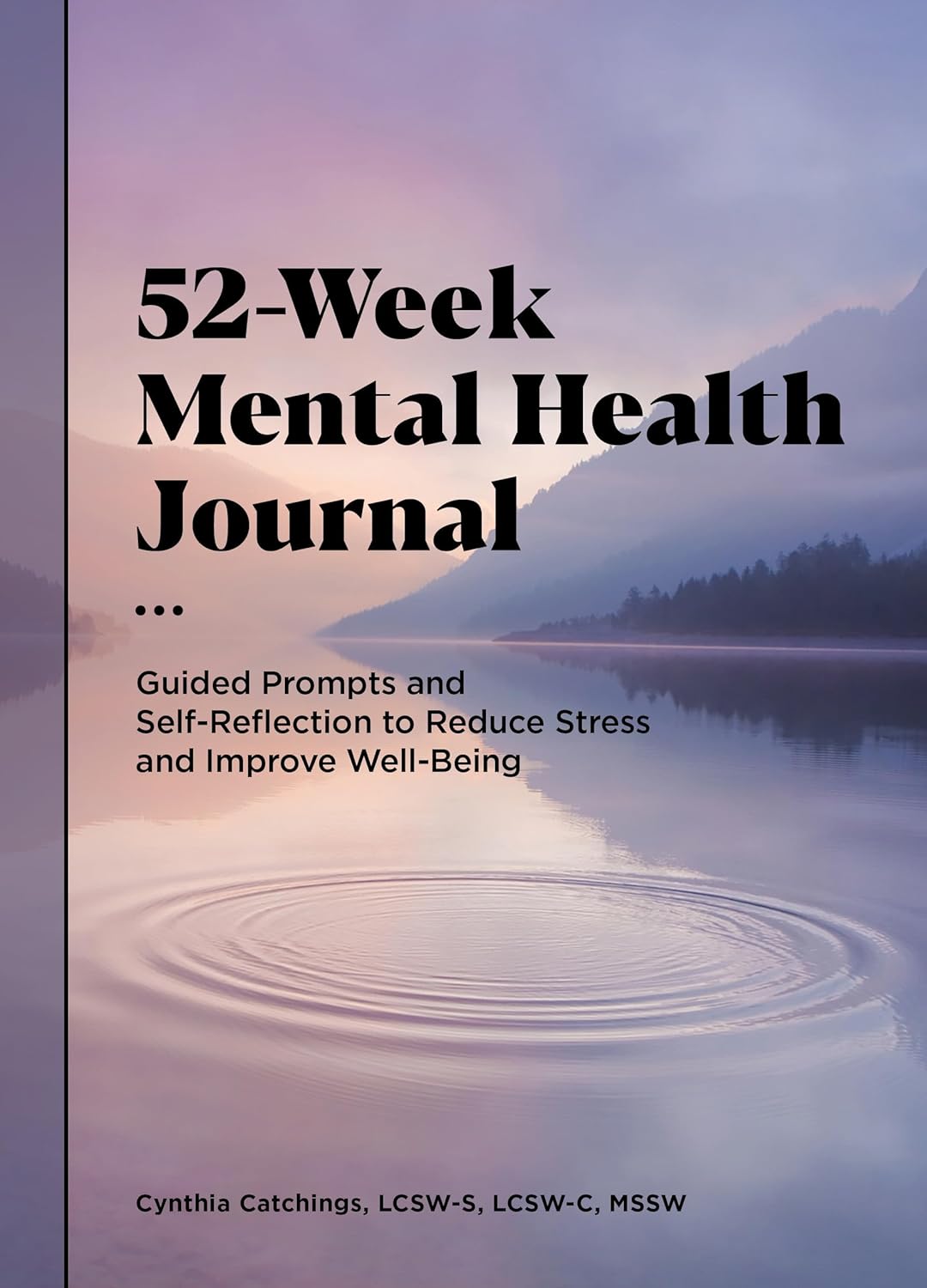
Nurture Your Well-Being Through a Year of Journaling and Self-Reflection
Guided journaling is a simple yet powerful tool. It helps you boost your mood, practice gratitude, and set meaningful goals.
This 52-week journal provides a focused prompt for every day of the year, helping you navigate four pillars of mental health:
-
Calm & Resiliency Reduce stress and anxiety
-
Connection & Engagement Strengthen relationships and community
-
Goals & Purpose Discover meaning and set achievable goals
-
Healthy Living Cultivate habits that support physical and mental well-being
What You’ll Get
-
Daily journal prompts for reflection and mindfulness
-
Evidence-based self-care exercises rooted in techniques like mindfulness and cognitive behavioral therapy (CBT)
-
Inspiring words from philosophers, artists, writers, and thought leaders to motivate and uplift
-
A structured path to personal growth and improved mental health
With just a few minutes each day, this journal guides you to reduce stress, increase connection, and live a more balanced, purposeful life.
Explore the journal here: Buy Now
Assisted Suicide and Euthanasia
It is important to differentiate suicide from aided suicide and euthanasia, since all three terms tend to be used interchangeably although each carries differing legal and ethical weight.
- Assisted Suicide: The act of somebody helping another person end life. Whichever does the last act, dies. For instance, a doctor could prescribe a lethal dose of drugs, but the patient would have to take them themselves. This is sometimes referred to as “medical assistance in dying” (MAID).
- Euthanasia: In this form, a third party — usually a doctor — administers a lethal agent to kill the person whose life they consider no longer worth living. The distinction just involves who is doing the last thing.
The legality of assisted suicide and euthanasia differs around the world. On a broader level, Switzerland, the Netherlands, Belgium, Luxembourg, Canada and Colombia have legalized some version of assisted dying under strict conditions. Also certain American states (such as Oregon, Washington and California) have passed a right to die with dignity although it is heavily regulated there. These typically include that the person must be a mentally competent adult, suffering unbearably from a terminal condition.
Global Perspectives on Suicide and Assisted Dying
Different countries have adopted diverse legal and cultural approaches to suicide and assisted dying.
- Countries with Legal Assisted Dying: In places like Canada, Medical Assistance in Dying (MAID) is available to eligible adults suffering from a “grievous and irremediable medical condition.” The legal framework is precise and includes multiple safeguards.
- Countries with Decriminalization but No Assisted Dying: In the United Kingdom, suicide is not a crime, but assisted suicide remains illegal and is punishable by up to 14 years in prison under the Suicide Act of 1961.
- Countries with Remaining Legal Penalties: In a few countries, suicide and attempted suicide are still illegal, often due to religious laws. Nations such as Nigeria and Malaysia have laws that criminalize attempted suicide, although prosecution is rare.
These different approaches reflect the ongoing global dialogue about how to balance individual autonomy. The protection of vulnerable individuals, and societal values.
Where to Find Help and Support
The main thing you need to know about any conversation on suicide is hope of help available and actually working. If you or someone you know is experiencing thoughts of suicide, reach out for help. You need not be on your own and there are people who want to help you.
Here are some resources that provide free, confidential support:
- National Suicide Prevention Lifeline (U.S.): Call or text 988.
- Crisis Text Line: Text HOME to 741741.
- The Trevor Project (for LGBTQ youth): Call 1-866-488-7386 or text START to 678-678.
- Veterans Crisis Line (U.S.): Call 988 and then press 1, or text 838255.
- Samaritans (U.K.): Call 116 123.
- Lifeline (Australia): Call 13 11 14.
They are available 24/7, and staffed by professionals. Who can offer immediate assistance as well as help you get to the long-term resources that are right for you.
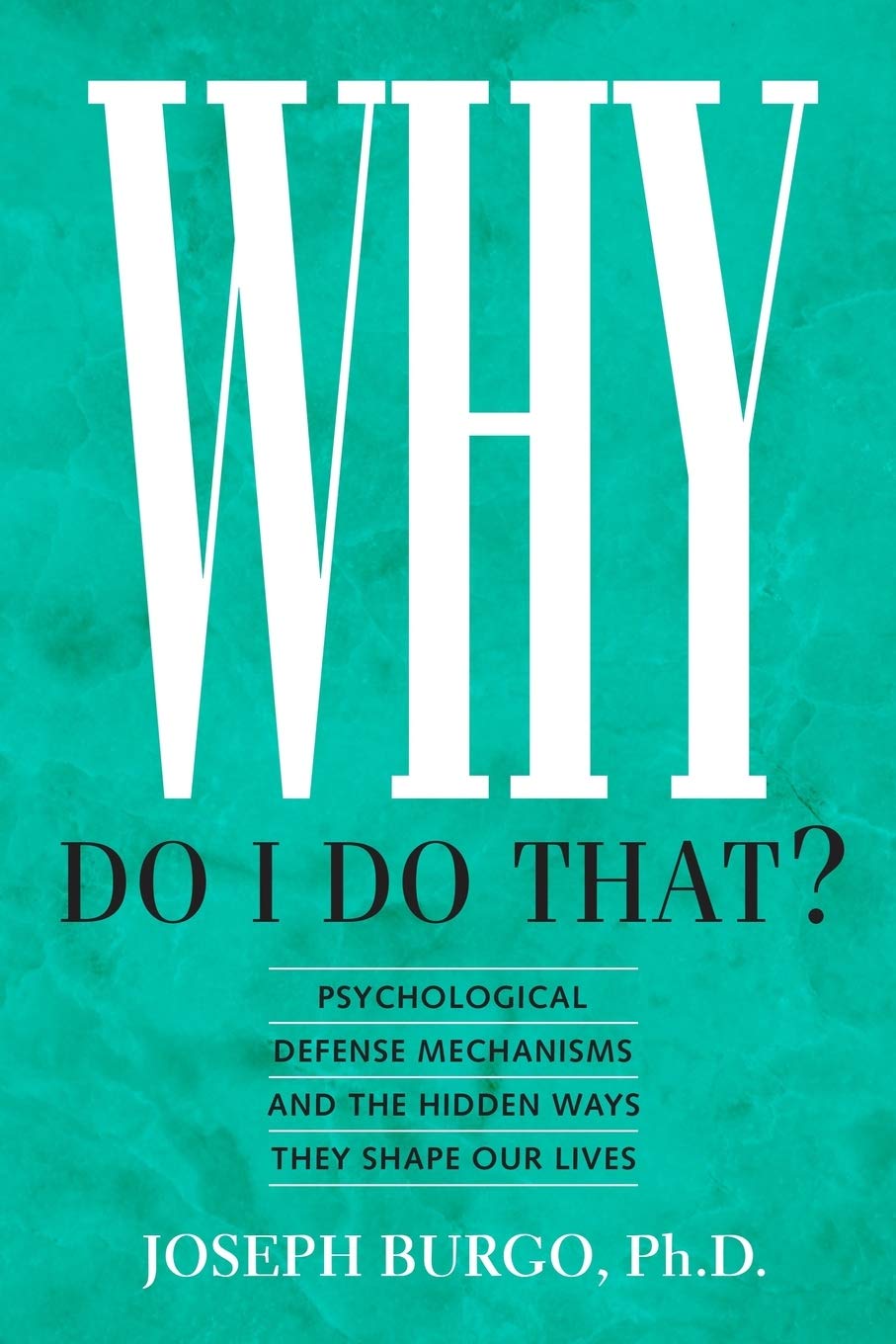
Why Do I Do That?: Psychological Defense Mechanisms and the Hidden Ways They Shape Our Lives
Understand the hidden forces shaping your emotions, behaviors, and relationships
Do you ever wonder, “Why do I do that?” Why you react, avoid, or shut down in certain situations?
This groundbreaking psychology book by Joseph Burgo, Ph.D. is your guide to understanding the unconscious patterns that influence your everyday life.
Written for students, beginners, and anyone curious about psychology, self-help, or emotional healing, this book explains how psychological defense mechanisms like denial, projection, and repression affect your mental health and decisions.
What You’ll Gain
-
Clear understanding of human psychology and how the unconscious mind works
-
Tools to recognize and manage your emotions more effectively
-
Practical exercises for emotional intelligence, healing, and self-discovery
-
Insights from psychotherapy and emotion-focused therapy without confusing jargon
-
Guidance to break free from patterns that damage relationships, confidence, and self-esteem
Unlike many self-help or psychology books, this one blends expert knowledge with accessible self-exploration, making it valuable for college students, professionals, and anyone seeking personal growth.
Whether you’re interested in abnormal psychology, emotional intelligence, psychotherapy, or simply want a deeper understanding of yourself, Why Do I Do That? is an essential guide for mental health, healing, and emotional growth.
Start your journey to self-discovery: Buy Now
Moving Forward with Compassion
Although suicide is no longer a crime in much of the world. Questions concerning its legal and ethical status remain pressing issues with significant implications for physician-assisted death. That change is part of a broader global move away from criminalization. And reflects an increased awareness that suicide is more than just a public order problem. It’s inextricably linked to mental health.
By bringing the taboo subject out into the open every day and having honest conversations. We can ensure that strong support systems are available to everyone. A world where those in despair realise they are not alone. The emphasis should always be on compassion and understanding. And the clear message that with the right intervention there is hope and healing.