Prevention from Suicide, Addiction, Narcotics and Pollution. Withdrawal and Recovery Facts of Narcotics | Symptoms of Suicidal thoughts & Ideations | Effects of Environment Pollution | Understand Addiction withdrawal
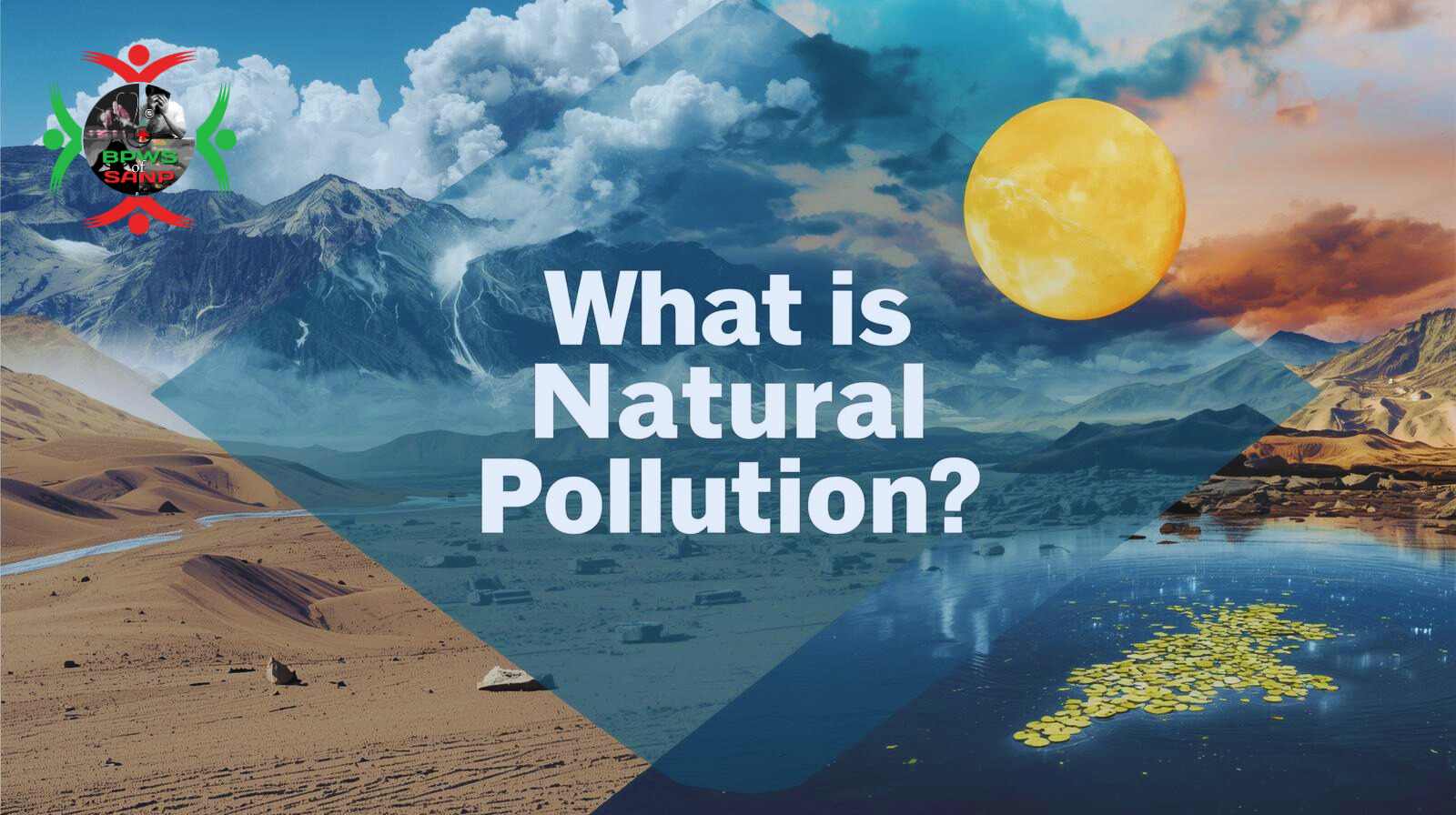
What Is Natural Pollution? Understanding Earth’s Own Contaminants
Most conversations about pollution tend to revolve around human activity — pollutants released by factories, spewed by cars and left to clog the world’s waterways in the form of plastic. But Earth has been cranking out its own species of pollution long before humans roamed the planet. Natural pollution is the type of contamination that results from natural occurrences on Earth, and includes air, water or soil pollution caused by volcanic eruptions, wind-borne dust, pollen dispersal, animal activity affecting marine or soil organisms, and a variety of other activities.
By studying natural pollution, we can also separate environmental changes that are a result of nature from human behavior. This information is now critical as we confront the impacts of climate change and environmental destruction. If we understand what is natural pollution, then we can better tell what of our problems are in need of immediate human intervention and which ones are part of Earth’s natural cycles.”
Millions of people worldwide are exposed to natural pollution, from volcanic eruptions and wildfires to dust storms. Even though we can’t stop these natural processes, we can seek to forecast and prepare for them as well as minimize their effects on human health and the environment.
Sources of Natural Pollution
Volcanic Eruptions: Nature’s Chemical Factories
Volcanoes are among the most spectacular natural polluters. When they blow, volcanoes blast huge volumes of sulfur dioxide, carbon dioxide and hydrogen sulfide gases into the air. And they can travel thousands of miles and affect the air many continents away.
Another source of natural pollution is volcanic ash. Though not the most serious type of pollution, wind-borne particles can cause respiratory complaints over weeks and lower air quality. Writing in Science after the eruption of Eyjafjallajökull in Iceland in 2010 grounded air traffic across Europe for days, he showed how volcanic pollution could have global effects.
In addition to immediate impacts, volcanic eruptions have far-reaching effects on climate. “Big eruptions send sulfur compounds into the stratosphere, which has a cooling effect that tends to persist over multiple seasons,” he said. Temporary global cooling of about 0.5°C was observed following the 1991 eruption of Mount Pinatubo in the Philippines.
Wildfires: Smoke and Particulate Matter
Wildfires generate high levels of natural air pollution: smoke and fine particles. Those fires also release carbon monoxide, nitrogen oxides, volatile organic compounds and thousands upon thousands of small particles that can go deep into human lungs.
Lightning strikes directly cause approximately 10 percent of the global wildfires, rendering them a natural polluter. And as it turns out, forest fires have been burning for millions of years, adding their contribution to the natural air-quality ups and downs long before humans muddied the waters.
Smoke from major wildfires can travel thousands of miles and impact air quality in places nowhere near where the fires are burning. Cities hundreds of miles from massive fire seasons will frequently endure dangerous air quality because of the wildfire smoke.
Dust Storms: Airborne Particles
Straw colored deserts produce huge dust storms that sweep billions of tons of particles across entire continents. The Sahara Desert, for instance, frequently spews dust clouds across the Atlantic Ocean to America, fouling air quality from the Caribbean to the American Southeast.
Both small sand particles and high-velocity wind disperse bacteria, fungi and other microorganisms along these dust storms. Although some of these microbes can be harmful to health, others actually benefit ecosystems by feeding nutrients into remote soils and ocean waters.
Dust storms have also been observed naturally from the normal weather pattern of wind, droughts, and seasonal weather changing. Climate fluctuations can exacerbate or weaken the intensity of these natural pollution events, making them erratic and difficult to control.
Natural Decay: Methane from Wetlands
Wetlands, marshes and swamps also emit methane naturally as organic matter breaks down in environments with little oxygen. This is also a natural process that has taken place for millions of years and is part of how the atmosphere becomes enriched in greenhouse gases.
Bacteria in waterlogged soils devour dead plant matter, creating methane as a waste product of their ravenous meal. While methane is a short-lived but powerful greenhouse gas, these natural emissions fall within Earth’s carbon cycle and have been relatively constant over the eons.
There are seasonal effects upon the emission of natural methane. Wetter and warmer conditions in general drive up methane emissions from wetlands, while cooler, drier conditions suppress such pollutants.
Pollen: Seasonal Air Quality Challenges
Billions of pollen grains are released into the air by trees, grasses and flowering plants every year in their reproductive process. Pollen, which is vital to plant reproduction, contributes to seasonal air quality challenges for those who are allergic.
High pollen numbers can blur vision and leave behind a fine residue of yellowish dust. While not toxic like industrial pollutants, pollen affects millions of people who have allergic reactions during certain times of the year known as “peak pollen season.”
Different plants spew their pollen at different times, producing various pollution seasons. Tree pollen season tends to hit in spring, depending on the tree, grass pollen is usually late spring and early summer and weed pollen comes around late summer and fall.
Impacts of Natural Pollution
Environmental Effects
Natural pollution can heavily change natural systems in a good or bad way. Volcanic ash, though initially devastating, can enrich the soils with minerals that make plants grow better years later. But acid rain from volcanic sulfur compounds can also harm forests and some aquatic ecosystems.
Wildfires are devastating in the short term, but are crucial ecological processes in a variety of systems. Some plants need fire to trigger seed germination, and an occasional burn is essential for promoting healthy forest ecosystems by removing underbrush and recycling nutrients.
Desert dust storms can be both destructive and beneficial to ecosystems. Dust storms can harm coral reefs and worsen air quality, but they also ferry key nutrients such as iron to the nutrient-poor reaches of the ocean, where they fuel marine life.
Health Concerns
Human exposure to natural pollution is associated with the increased risk of various health problems, especially for such vulnerable population groups as children, elderly people but also those with asthma or other respiratory diseases. Gases emitted by volcanoes can create respiratory problems, itchy eyes and in the most severe cases, deadly exposure to toxic gas.
Massive plumes of wildfire smoke also contain fine particles that can burrow deep into people’s lungs, possibly exacerbating asthma attacks and other respiratory ailments. In the long term, exposure to wildfire smoke has been associated with higher rates of both respiratory and cardiovascular disease.
Dust storm related health effects It is the turn of dust storm. The small dust particles, which are part of a dust storm, can be lifted into the atmosphere and transported great distances; this airborne dust then enriches soil by adding phosphorus and other important nutrients.
Economic Consequences
Pollution from natural events has substantial economic effects in terms of health costs, reduced productivity and infrastructure damage. The 2010 Eyjafjallajökull volcano eruption caused the airline industry to lose more than $1.7 billion in cancelled flights.
The costs of natural pollution are usually paid for by agricultural industries. Volcanic ash can ruin crops, and extended exposure to wildfire smoke can suppress agricultural output. Dust storms may also blow away farmland topsoil, hurting soil fertility.
Tourist-dependent economies often bear the brunt of natural pollution events. Wildfires or volcanic eruptions can create poor air quality that discourages visitors and costs hotels, restaurants and sightseeing businesses money.
Comparison to Human-Caused Pollution
Scale and Frequency Differences
Human-generated pollution is generally more predictable and stable over time than that emitted naturally from volcanoes. Industrial emissions are constant whereas natural pollution events tend to be episodic and seasonal. But in regions where natural pollution events are strongest, they can temporarily – for a few hours – surpass human emissions.
Human pollution at a global scale has expanded pretty dramatically in the past century, whereas natural pollution is more or less constant over thousands of years. Today, pollution from human activities constitutes a greater proportion of total air pollution than do natural sources in much of the developed world.
Naturally occurring pollution events are typically more severe and of shorter duration than human pollutants. A volcanic eruption may spit out more sulfur dioxide in a couple of days than a coal plant in an entire year, but the coal plant keeps driving pollution into communities every day.
Long-term Effects
Human pollution is also as a rule more consistent in creating environmental problems. In particular, synthetic chemicals, plastics, and heavy metals from industrial activities may remain in the environment for decades or even centuries. Nature’s own pollutants, though occasionally fierce, tend to degrade or scatter faster.
Climate change is causing natural pollution events to occur more frequently and seriously as ice melt increases. Warmer temperatures are leading to more wildfires while varying patterns of precipitation impact dust storm activity.
Man-made pollution generally far exceeds natural pollution in urban and industrial areas. But natural pollution can still be the main source in some isolated areas, or during big natural events.
Mitigation and Management
Monitoring and Prediction
Today’s technology enables us to keep track and predict a lot of naturally caused pollution events. Satellite imagery can monitor dust storms and clouds of smoke from wildfires; seismic data can be used to predict volcanic eruptions. Such information can allow governments to provide health advisories and plan emergency responses.
Air quality monitoring networks provide real-time data about pollution levels from both natural and human sources. This information helps individuals make informed decisions about outdoor activities during pollution events.
Models for predicting weather are beginning to include predictions of natural pollution, helping communities brace for events such as a plume of dust or an incursion of wildfire smoke.
Public Health Measures
Regulatory public health response plans exist for naturally induced pollution events. These could include advice to remain inside, use filtering masks, or evacuate temporarily during more serious incidents.
Early warning systems are set to alert at-risk groups about upcoming incidents of natural pollution. Schools and hospitals may have their own special policies to keep vulnerable people safe in the event of such disasters.
Disaster planning takes into account natural pollution scenarios, so that communities have in their arsenals assets and mechanisms with which to react effectively to such occurrences.
Understanding Nature’s Role in Environmental Challenges
Natural pollution is a reminder that Earth’s systems are complex and in constant flux. Although man-made sources have greatly added to the world-wide burden of pollution, natural mechanisms still remain critical for quality of environment. It is this awareness of natural sources that can help us disentangle between problems we have control over and ones which we would need to adapt to.
Understanding natural pollution also puts human impact on the environment in perspective. The sheer scale and persistence of human pollution frequently went beyond what natural systems could comfortably absorb or neutralize. This insight re-emphasizes the need to limit anthropogenic sources of pollution but also to be innovative in how we deal with unavoidable natural events that cause pollution.
With continuing disruptions to natural systems by climate change, natural pollution events could become more frequent and more intense. Preparation for such changes will demand continued research, better monitoring capacity and more adaptive management systems capable of responding to changing environmental conditions.