Prevention from Suicide, Addiction, Narcotics and Pollution. Withdrawal and Recovery Facts of Narcotics | Symptoms of Suicidal thoughts & Ideations | Effects of Environment Pollution | Understand Addiction withdrawal
A Guide to Narcotics Anonymous
Addiction can be very isolating, a lonely struggle in the darkness. Narcotics Anonymous (NA) provides millions with the hope to overcome. It offers those suffering with addiction a place to gather, share their experiences, gain strength from one another and move toward a substance-free life. This program, based on shared experience and mutual support, has restored thousands of lives.
This Review will give a detailed explanation of Narcotics Anonymous. Its background, principles of guidance and the way meetings are organised will be examined. You’ll discover the advantages of taking part in NA, as well as how it measures up to other recovery programs and where you can find a meeting near you. Whether you need advice for a friend in recovery or just want to educate yourself on the process, we’ve broken down everything you need to know about NA detox protocol.
What is Narcotics Anonymous?
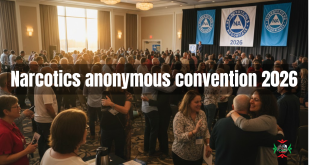
Narcotics Anonymous is a global, community-based organization with a multilingual and multicultural membership. It is a fellowship of more than two million people who one day at a time stay clean with the help of other members. Central to the program of NA is the acceptance of the idea that anybody can stop using drugs, lose the desire to do so and find a new way of life. The only requirement for membership is a desire to ovor using.
NA is not related to any social groups or institutions organization does not charge membership fees or dues and is not associated with any political, religious or law enforcement groups. Members gather in regular meetings to support each other in the effort to stay clean, following a set of principles that include what are known as the Twelve Steps and Twelve Traditions. The program is rooted in the belief that recovery is an individual experience, but it is not one you need to face alone as others have been down the same path. Anonymity is the foundation of the fellowship and provides a space where members are known by no other description than just their first name and have the opportunity to share freely about challenges they faced and the road to recovery.
History and Development of NA
The history of Narcotics Anonymous dates back to the late 1940s and to the early stages of Alcoholics Anonymous (AA) movement. Once AA began to gain popularity, it was obvious that a similar program must be developed for those with drug addiction other than drinking. “Those who started NA, including Jimmy Kinnon, saw that AA principles might be applied to drug addicts,” the report states.
The first formal NA meeting was set up in Southern California in August 1953. The fellowship started with a slow simmer. The early membership encountered obstacles, such as social shame and a lack of awareness about drug dependence. For a long time, NA was relatively small; groups found themselves limited to small pockets of the United States.
One of the most significant events for NA was the release of the “Blue Book” (formally known as the Basic Text) in 1983. This book described the philosophy of the plan and included personal accounts of people who had quit. It was a single message and one increasingly acted upon to advance the fellowship. During the 1980s, NA’s membership growth was exponential as it spread to many countries world-wide. Today, NA members hold nearly 76,000 meetings weekly in 143 countries (as of October 2018)—continuing to offer a program of recovery for anyone seeking help.
The 12 Traditions of NA
The Twelve Traditions of Narcotics Anonymous are the spiritual principles that guide our groups and bind us together in unity and in service. Whereas the Twelve Steps serve to guide groups, individual members, and our fellowship as a whole in our recovery, the Traditions provide a framework within which our NA experience may take place. These are the rules which guide the fellowship so that it may remain faithful to its primary purpose – carrying the message to an addict who still suffers.
- Our common welfare should come first; personal recovery depends on NA unity.”
- For our group purpose, there is but one ultimate authority — a loving God as He may express Himself in our group conscience. Our leaders are trusted servants; they do not lead.
- There is no other requirement for membership.
- Each group shall be self-governing, except when affecting other groups or N.A. as a whole.
- Each group has but one primary purpose—to carry the NA message to the addict who still suffers.
- Issues of money, property, and prestige divert us from our primary purpose; therefore an NA group ought never endorse, finance or lend the NA name to any related facility or outside enterprise.
- Each NA group should remain autonomous, rejecting financial support from the outside.
- NA’s traditions require that the organization itself never be a professional one, but our service centers may employ special workers.
- NA, therefore, ought never be organized but we may create service boards or committees directly responsible to those they serve.
- Our relation to is none of N.A’s business J : Soooo you forgot there is no N.A opinion on outside issues.. so go ahead and put the name in public controversy… oh wait… it’s not going to help anyone.
- We are not an organization in the conventional sense of the word There are no fees or dues whatever Membership is a symbol of our desire to stop drinking We have no leaders at this Gospel House we are servants one to another(Aid n The Grapevine) Our public relations policy is based on attraction rather than promotion..out ny never need not try and explain it anymore at the press level, nor film, nor radio.
- Anonymity is the countermeasure to all defects of character as we practice our Traditions, always reminding us to place principles above personalities.
These traditions safeguard the group from internal and external strife, thus allowing NA to continue providing a safe recovery fellowship for those in need.
The 12 Steps of NA
The Twelve Steps are at the core of the Narcotics Anonymous program. They are a program of spiritual and character development that enables members to overcome their addiction. The right way to work the Steps is in order, with a sponsor — a more experienced member who serves as mentor and sounding board.
- We admitted we were powerless over our addiction – that our lives had become unmanageable.
- We admitted we were powerless over alcohol, that our lives had become unmanageable.
- We decided to place our lives and our will into the hands of God, as we understood Him.
- We took a searching and fearless moral inventory of ourselves.
- We disclosed our wrongs to God, to ourselves, and to another human being.
- We were entirely ready that God should remove all these defects of character.
- We made a request of Him to take away our shortcomings.
- We wrote down every person we had harmed and became willing to make amends to them all.
- We made direct amends to such people, wherever possible, except when to do so would injure them or others.
- We continued to take personal inventory and when we were wrong, promptly admitted it.
- We tried to carry this message to alcoholics, and to practice these principles in all our affairs.
- Having had a spiritual awakening as the result of these steps, we tried to carry this message to addicts and to practice these principles in all our affairs.
The idea of a Power greater than ourselves is fundamental to the Steps, but NA is not a religion program. Each individual is free to define this power as he or she choose, i.e., God (or not!), the universe, the NA fellowship itself, or other spiritual principle. The aim for the Steps is to create a life-altering internal change that eventually results in long-term recovery.
How NA Meetings Work
Narcotics Anonymous meetings are where members primarily help one another. These provide a safe and structured place where people can come share things from their life without feeling judged. Meetings usually take place in public locales such as community centers, churches and hospitals. They come in various formats, but most types fit into one of two categories:
- Open Meetings: anyone can attend whether they are in recovery or not, including lovers, friends and family of addicts as well as professionals who care for them.
- Closed Meetings: These are for addicts, or anyone who thinks they might have a drug problem. Members can be more personal if they choose to do so in this limited venue.
Most meetings start with readings from NA literature (e.g., the Twelve Steps or Twelve Traditions). A member of the group serves as chairperson and conducts the meeting. The format can vary:
- Speaker Meetings: One or more members share their personal story of addiction and recovery in detail.
- Discussion Meetings: In this type of meeting the Group GSR, may choose a topic from NA literature and people go round and share thoughts experience on this issue.
- Step Study Meetings: The members of the group are allowed to comment on one of the Twelve Steps, what it means to them and how they apply it in their lives.
Sharing is voluntary. Members can talk if they feel like talking, or only listen. What matters is having a place to be and being able to share your experience with the people who get you. Meetings generally close with a prayer or reading, and members typically stay to talk and give support.
Benefits of Attending NA
People can benefit from attending Narcotics Anonymous in a variety of ways that will help with their recovery process. The structured environment and supportive setting HELP those looking to get clean navigate the challenges of staying that way!
- Community and Fellowship: We can feel desperately, achingly alone in our addiction. NA offers a community of people who have been where you are and know what it is like to fight the battle with drug use. Feeling part of something can help to negate feelings of isolation and shame.
- Fellowship: When you hear what others who have stayed sober have gone through, there’s hope and a model for action. Members draw from one another’s successes and failures.
- A Plan: The Twelve Steps are a set of guiding perspectives for people undergoing the process of recovering from addiction, compulsion, or other behavioral problems. Practicing the steps assists members in confronting core problems that feed their addiction.
- Sponsorship: A sponsor is like a living Higher Power with the authority to guide the member through recovery. This one-to-one relationship offers accountability, support and mentorship which are all of paramount importance, particularly in the early stages of recovery.
- A Non-Judgmental Place of Safety: We make anonymity easy and operate a culture of acceptance that means that members feel safe expressing vulnerability in the sharing of their struggle.
NA vs. Other Recovery Programs
Narcotics Anonymous is one of the most recognizable recovery programs, but it’s not the only game in town. It is useful to understand where NA falls into the wider spectrum of possible approaches.
- Alcoholics Anonymous (AA): NA is derived from AA, and both programs are based on the Twelve Step model. The main difference is that AA (Alcoholics Anonymous) tailors its program for alcohol addiction, whereas NA (Narcotics Anonymous) doesn’t focus on any specific drug abuse. NA can be an accepted source of support for people suffering from addiction to basically anything, including alcohol.
- SMART Recovery: This program is non-religious and based on science, which helps you use cognitive behavioral techniques to address your addictive behaviors. It does not rely upon a spiritual basis or the idea of a higher power as NA does.
- Therapy or Counseling: Formal treatment, including individual and group therapy, can be an important step in recovery. People who attend NA meetings can find resources to help them in their struggle with addiction. NA is a fellowship not a substitute for professional medical or psychological care.
- Inpatient/Outpatient Rehab: These are formalized treatment programs, offering intensive medical and therapeutic intervention. NA may be a great aftercare opportunity for people to participate in post-rehab so that they can maintain recovery.
People have to find the recovery program that works for them.” The best way to fight debt and take back. The control over your budget may come as an amalgamation of both models.
Supporting a Loved One in NA
It’s devastating to witness a loved one suffer from addiction. If someone you love is in Narcotics Anonymous, your involvement can be very important.
- Educate Yourself: Find out about addiction and the NA program. Knowing The Recovery Process Will Help You Be More Empathetic And Supportive.
- Keep Their Anonymity: The idea of NA is based on anonymity. Do not disclose their participation with the program to others without prior consent.
- Encourage, Not Advise: It’s your job to offer love and support, not expert advice on recovery. Foster the participation in organizations, and rejoice with them when they’ve reached a goal.
- Go To Open Meetings: If they are okay with it, going to an open NA meeting. Can be helpful in understanding their path and support system.
- Support Yourself: There are family support groups such as Nar-Anon for friends and family of addicts. These communities can offer you a support system and advice.
Your Next Steps on the Journey
Recovery from addiction is a life-long path, but there is no need to walk it alone. Narcotics Anonymous offers a program of recovery from the effects of addiction. Through working a twelve-step program, including regular attendance at group meetings. Millions have found in the Twelve Steps and Twelve Traditions guide to a new way of life. Free from doing drugs and alcohol.
If you or someone you know is in crisis, remember that help is a phone call away. You will be able to find a meeting near you. Which may be an opportunity on the way to a brighter and healthier future. The journey is not always easy. Yet with the help of the NA fellowship, it is possible to recover and stay clean. The life beyond our wildest dreams is an attainable reality.