Prevention from Suicide, Addiction, Narcotics and Pollution. Withdrawal and Recovery Facts of Narcotics | Symptoms of Suicidal thoughts & Ideations | Effects of Environment Pollution | Understand Addiction withdrawal
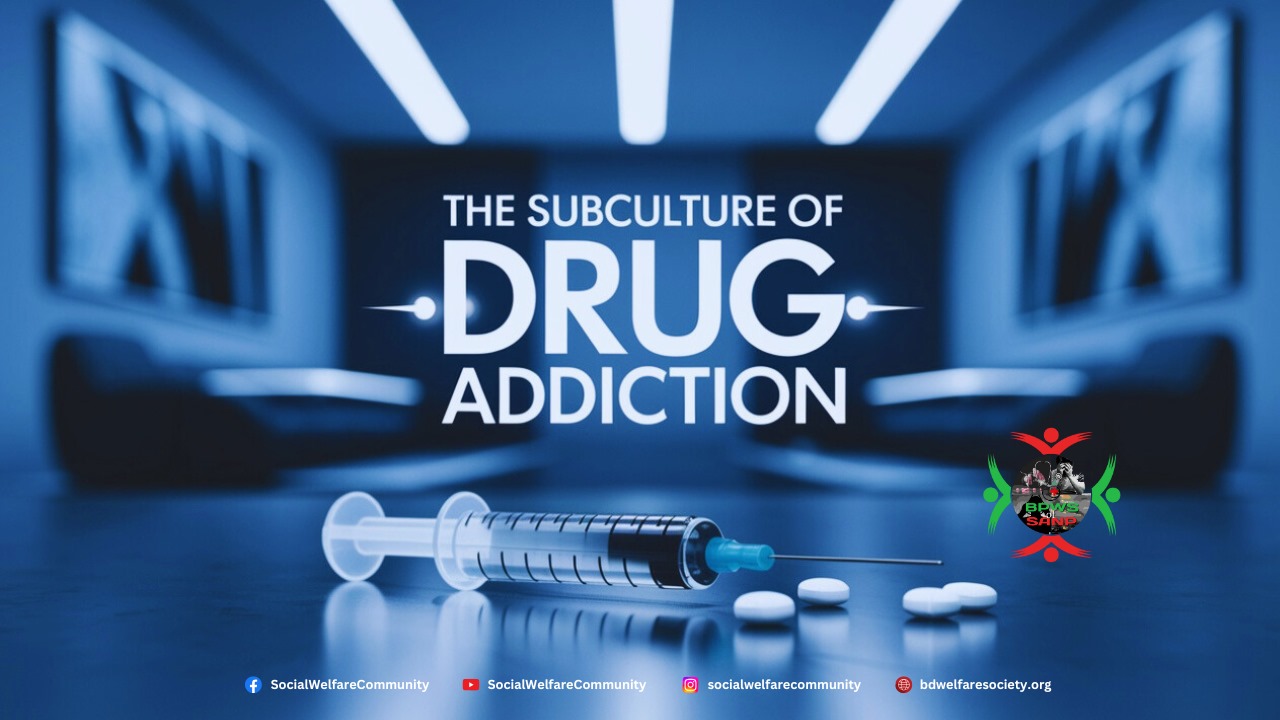 Drug addiction touches people on very personal levels, but it runs through an intricately complicated social context. This is one of the many aspects of the problem, but there is also, I would say, the ” The subculture of drug addiction”. This subculture encompasses more than the actual use of drugs and alcohol; it refers to the subculture that develops around the behaviors, norms, language, and common experiences of members within the subculture. That was what they said they were going through, but understanding this subculture is crucial to understanding the full scope of addiction and the obstacles many people have in recovering.
What Defines a Subculture?
A subculture is the smaller part of a culture smaller than the whole. Subcultures create their own social norms, values, rituals, and forms of communication, which distinguishes them from mainstream culture. Subcultures are usually rooted in social connection, shared experience and a sense of identity, Godoy explains. For those trapped in drug addictions, these components yield to a subculture forged from necessity, survival and the residue of social marginalization.
Individuals struggling with addiction are typically themselves exiled from or unable to meaningfully relate to mainstream society. Yet this isolation breeds the formation of a subculture among those with similar struggles, rallying together in new forms of interaction and understanding, and in many cases interdependence.
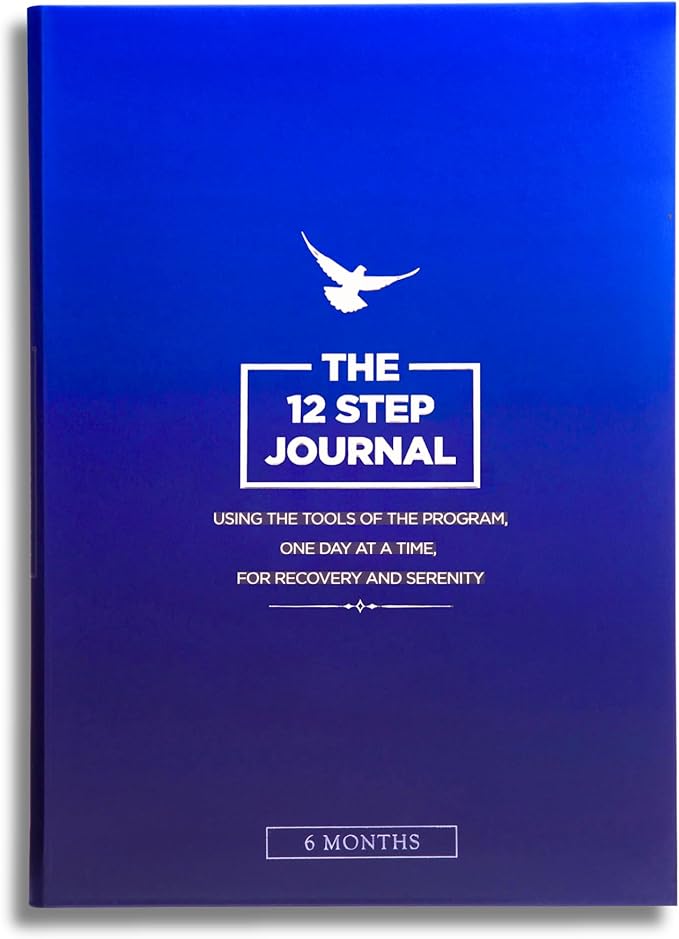
The 12 Step Journal: One Day at a Time for Recovery and Serenity
Fast-track your addiction recovery with this guided sobriety journal designed around the 12 Steps program to help you stay focused, grateful, and spiritually grounded every day.
Key Features:
-
Works for any addiction — alcohol, drugs, gambling, love, or more.
-
Encourages daily reflection, gratitude, and the serenity prayer.
-
Undated format — start anytime, one page per day.
-
Complements popular recovery books like the AA Big Book and NA texts.
-
Makes a meaningful sobriety gift for anyone on their recovery journey.
Check it out now: Buy Now
Language and Communication
The subculture of addiction to drugs has its own unique language. Slang accompanies drugs, pot, tools, dosage, and the effects themselves, as people in the community rely on the vernacular. Hitting up, scoring or getting clean has specific meaning here. Such language does many things. It forms a coded language that can be deciphered by fellow subculture members yet remains incomprehensible to outsiders. It also strengthens the feeling of belonging to a certain community, which is an important psychological need for many people.
For example, a person with addiction might use street names for certain drugs instead of medical or formal terms, a gateway to social acceptance and knowledge of the subculture. By analogy, users might also build a shared shorthand of experience — from the euphoria of a substance to the agony of withdrawal. This common parlance is part of the collective glue that binds this subculture.
Rituals and Behaviors
In a subculture like drug addiction, rituals are especially crucial. Some drugs are used in specific ways, such as injected, snorted, or smoked. These approaches often have associated rituals and require necessary tools, techniques, and environments to be put into action. For some, the act of cooking and consuming drugs becomes almost ceremonial, giving shape to otherwise chaotic lives.
Unfortunately, social rituals within this subculture evolve beyond the necessary rituals of drug usage. A substance might be passed around based on a group dynamic, such as with a shared feeling of solidarity between users. This form of “sharing economy” in the drug-using community, however, can establish a sense of obligation or a cultural expectation among its key players. These mutual aid acts not only strengthen bonds, they also help support the subculture.
Even behaviors essential for survival — how to elude law enforcement, line up places to live, find resources like clean syringes — are passed along informally within this community. These acts, over time, will stay as built-in survival techniques to ensure scraping by.
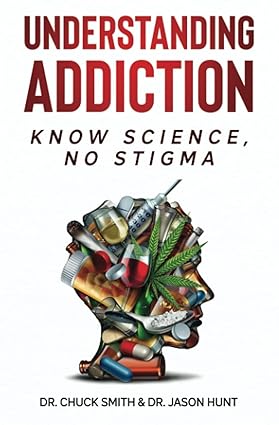
Understanding Addiction: Know Science, No Stigma
by Dr. Charles Smith & Dr. Jason Hunt
Discover the truth behind addiction and the hope beyond stigma.
In this powerful and compassionate book, two medical experts share their personal and professional insights into substance use disorder, explaining how addiction is a disease, not a moral failure.
Learn about:
-
The science of addiction and brain chemistry
-
Risk factors, screening, and treatment strategies
-
Detox options, AA pros & cons, and long-term recovery tips
If you or a loved one struggles with addiction, this book offers understanding, empathy, and a path forward — free from shame.
Check it out now: Buy Now
The Role of Societal Stigma
One of the main motivators for the emergence of this subculture is of course, social stigma. Those struggling with addiction are subject to heavy scrutiny often considered immoral instead of a chronic disorder. Stigma comes in many forms, including discrimination in hiring, barriers to accessing health care, or being refer to as “junkies” or “lost causes” by the rest of society.
Despite their unique struggles, this stigma can leave many feeling ostracized from the bulk of the population. They might be fired, lose relationships, or become housing insecure. Gradually, their sense of belonging in traditional social structures deteriorates.
The subculture of addiction exists in that void as a refuge. Though this subculture has its own moral and physical complexities, it at least provides a community to those alienated by other communities. Peers in this space know the lived experience of addiction in a way that outsiders do not, which means that people can find solace even in the risks and consequences.
A Little More Class Diversion and Separation
Peer groups are important to the formation of a subculture of drug addiction. Individuals in the subculture tend to provide each other with strong support networks based on mutual struggles and comprehension. For those who are in the throes of addiction, such relationships can be lifelines. Whereas mainstream society often alienates them, the subculture’s peer groups offer validation, empathy, and support.
These common experiences forge connections that may deepen as we age. For instance, getting through an especially painful withdrawal period together, or pooling scarce resources to survive some crisis, creates loyalty and interdependence.
But peer groups can also carry forward dangerous patterns. Because drug use within any given subculture is normalized, it becomes more difficult for people to feel the impetus to stop. Other research has shown that social pressure can cause someone to keep using, and the fear of losing one’s support system can inhibit someone from pursuing recovery.

5-in-1 Foam Roller Massage Set (Black-Red)
Relieve muscle soreness, improve circulation, and recover faster with this complete deep tissue massage kit perfect for yoga, pilates, gym, and post-workout relaxation.
What’s Included:
-
Hollow Foam Roller (13″×5″)
-
Muscle Roller Stick (15″)
-
Massage Ball (Φ2.5″)
-
Stretching Band (24″×2″)
-
Storage Bag for easy carry
Why You’ll Love It:
-
Targets sore muscles & relieves tension
-
Enhances flexibility & blood flow
-
Made with durable PVC & EVA materials
-
Lightweight, sweat-proof, and easy to clean
-
Perfect for runners, athletes, and yoga lovers
Check it out now: Buy Now
Risks of Severing the Subculture Ties
For many, getting out of the subculture of addiction is harder, if not harder than stopping the drugs themselves. This challenge is due to a number of reasons.
First, addiction frequently alters the brain’s reward circuits so that the user’s connection to particular settings, equipment or people is so tightly connect to their physical cravings. Returning to spaces where one used drugs or to people from that time can trigger relapses. That makes breaking free a challenge not only socially but also physiologically.
The second function is that of the subculture providing identity and belonging. When people leave, they often feel they are losing their community and, therefore, part of themselves. This can leave one feeling alone, isolated and even despaired.
Third, returning to mainstream society presents challenges. Those in recovery are often stigmatize and judge, even at great personal progress. It takes them years to restore relationships or build careers. Restricted access to support, such as counseling, housing assistance or job training, adds difficulty to their reintegration. In the absence of strong support systems, many return to familiar arms of the subculture, its embrace easier than finding, in a world that seems loath to receive them, the start to a new life.
Progressing with Empathy
Solving the cycle of drug addiction as a subculture and as a personal affliction involves people looking away from punishment or ridicule and instead towards kindness and possibility.
This reduction in stigma is a necessary first step. When addiction is recognize as having a physiological basis and not a moral failing, those who misuse substances are more likely to seek who misuses drugs is more likely to seek treatment without fear of moral judgment. Public education campaigns, changing language to destigmatize, and working to humanize people with addiction show promise in changing society’s mind.
Peer recovery programs are effective in part because they acknowledge the value of community while encouraging healthier behavior (people in recovery supporting others). These programs take the knowledge about the common experiences inherent in the drug-use subculture and turn it towards positive directions.
Harm reduction strategies — including programs that exchange needles and access to naloxone — can help build trust between people fighting addiction and the services intended to support them. They also offer the chance to reconnect the subculture and the wider society in an act of mercy and care rather than suspicion and vilification.
And finally, structural changes — access to affordable housing, mental health services and job opportunities — are equally important. Treating the causes of addiction means fixing the systemic problems that make people vulnerable in the first place.
A Complex Reality
Drug use isn’t an easily classifiable “good” or “bad” the subculture of drug addiction. On the one hand, it provides community and support for marginalized people, meeting basic human needs. It can trap individuals in a cycle of danger behaviors and delay recovery.
Deep diving into the complexities of this subculture can illuminate the humanness of those often brushed aside or neglected by society. By recognizing stigma, peer groups, and survival behaviors play in muddying the waters, we can start to deconstruct the aspects that keep people stuck. More than that, we can work instead to create a society that provides an opportunity to heal rather than to isolate. There’s no disputing that drug addiction is complicate, but a more compassionate approach could guide us toward change.
Frequently Asked Questions:
1. What is drug addiction’s subculture, and how does it differ from addiction itself?
The drug addicted subculture is the social environment and shared experiences of people who use a drug or drugs. Addiction, a medical condition involving a dependence on drugs, does not in itself include the unique language, behaviors, rituals and social dynamics that develop among people who share the experience. It may foster community and belonging, which can be helpful, but it can also perpetuate unhealthy behaviors and make recovery more difficult.”
2. What is it about drug addiction that appeals to people and keeps them in the culture?
For many, the stigma from society and the isolation they feel pushes them into the subculture, where they find solace in people who understand what they are going through. When they are shun by mainstream society, this community often becomes their sanctuary. But to leave the subculture, where friends become family and their rituals turn into coping mechanisms, is a huge effort, as just like anyone stuck addiction came with powerful physiological issues.
3. What should society do to help people escape this subculture of drug addiction and reintegrate?
Goodwill support from society is essential to breaking free from the subculture. Reducing stigma and expanding treatment access and resources (including housing, employment and mental health services) are vital. Peer recovery programs and harm reduction initiatives can serve as a bridge, substituting survivable subcultural practices with those that are supportive, healthy and help to establish peer networks and community engagement. Successful reintegration requires both structural changes and individual-focused compassion.