Prevention from Suicide, Addiction, Narcotics and Pollution. Withdrawal and Recovery Facts of Narcotics | Symptoms of Suicidal thoughts & Ideations | Effects of Environment Pollution | Understand Addiction withdrawal
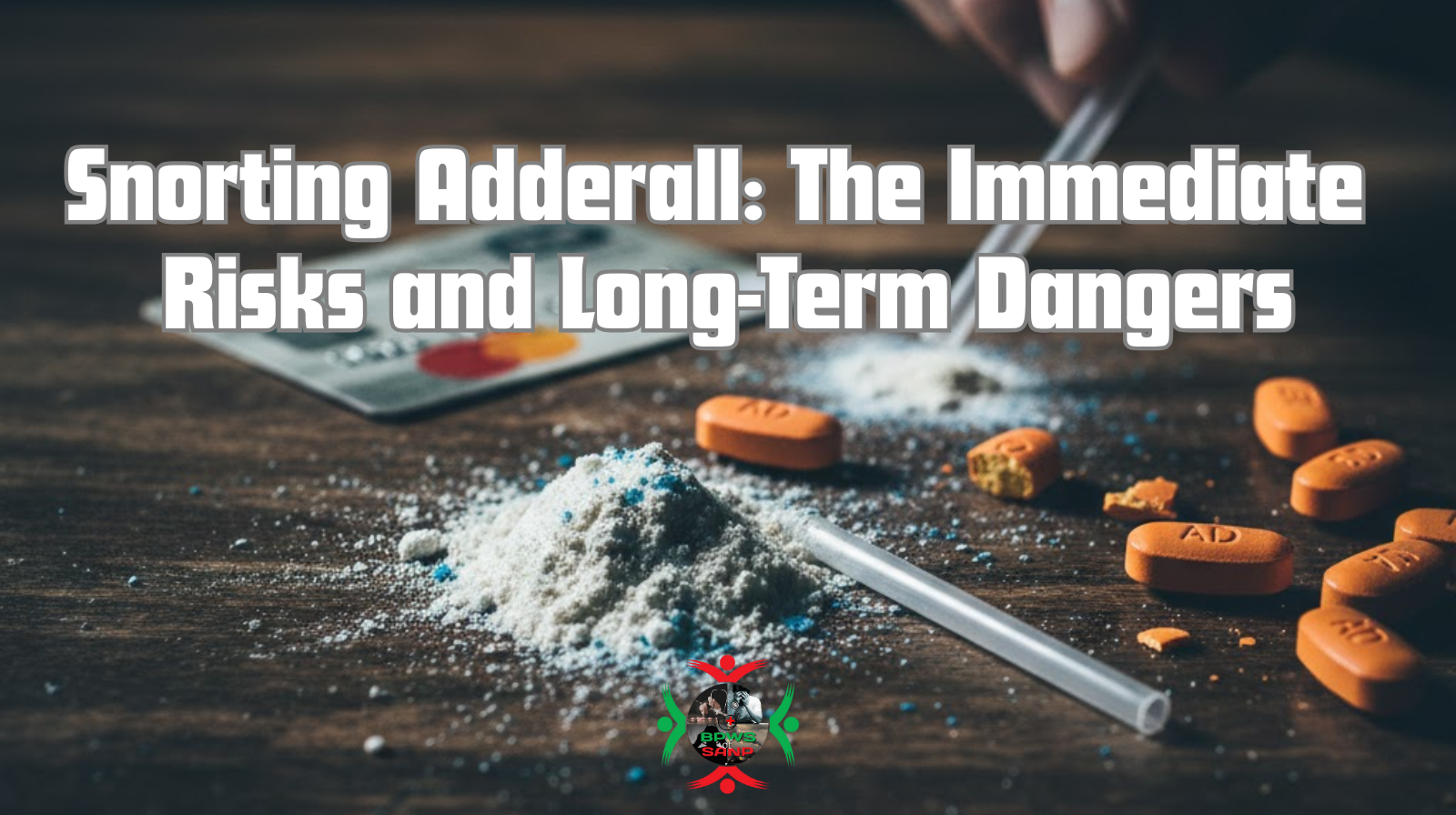 Snorting Adderall: The Immediate Risks and Long-Term Dangers
Adderall is a prescription stimulant widely used to treat attention deficit hyperactivity disorder (ADHD) and narcolepsy. For those with a legitimate prescription, it can be a life-changing tool for managing focus, controlling impulses, and maintaining wakefulness. However, because it is an amphetamine, it has a high potential for misuse and abuse.
One of the most common forms of abuse is crushing the pills and snorting the powder, also known as insufflation. People often do this in an attempt to feel the effects faster or more intensely. While physically possible, snorting Adderall is extremely dangerous. It fundamentally changes how the drug interacts with your body, bypassing safety mechanisms built into the digestion process and exposing the brain to immediate, often overwhelming, chemical surges.
Understanding the mechanics of why this method of administration is harmful is the first step in recognizing the severity of the risk.
How Adderall Interactions Change When Snorted
To understand the danger, you first have to understand how the medication is designed to work. Adderall contains a combination of amphetamine and dextroamphetamine. These are central nervous system stimulants that increase the availability of two key neurotransmitters in the brain: dopamine and norepinephrine.
- Dopamine is involved in reward, motivation, and attention.
- Norepinephrine affects energy levels and the body’s “fight or flight” response.
When taken orally as prescribed, the pill travels through the digestive tract. The stomach and liver break it down, releasing the active ingredients into the bloodstream gradually over time. This slow release is intentional. It maintains a steady level of focus without overwhelming the system.
When you snort Adderall, you bypass the digestive system entirely. The drug is absorbed directly through the mucus membranes of the nasal passages and enters the bloodstream almost immediately. From there, it crosses the blood-brain barrier rapidly.
This results in a sudden, intense spike in dopamine and norepinephrine. While this might produce a quick euphoric “rush,” it puts immense strain on the heart and brain, turning a therapeutic medication into a dangerous recreational drug.
The Severe Dangers of Snorting Adderall
The risks associated with insufflation go far beyond just a bad hangover or a runny nose. The consequences can be immediate (acute) or develop over time (chronic), affecting everything from your physical appearance to your mental stability.
1. Destruction of Nasal and Respiratory Tissue
The human nose is designed to filter air, not process crushed pharmaceutical powder. Adderall pills contain fillers and binding agents—ingredients like corn starch, magnesium stearate, and sucrose—that are safe to eat but damaging to inhale.
Repeatedly snorting this powder causes inflammation and erosion of the sensitive mucus membranes inside the nasal cavity. Over time, this leads to:
- Chronic sinusitis: Persistent congestion, runny nose, and sinus infections.
- Perforated septum: The cartilage separating the nostrils can erode, creating a hole. This often requires surgery to fix and can permanently alter the shape of the nose.
- Loss of smell: Damage to the olfactory nerves can lead to a partial or total loss of the sense of smell (anosmia).
- Respiratory issues: The powder can drip down the back of the throat or be inhaled into the lungs, causing chronic coughing, hoarseness, and potential lung damage.
2. Heightened Risk of Overdose and Toxicity
Because snorting delivers the entire dose to the bloodstream at once, the body has no time to adjust. This creates a shock to the system known as toxicity. What might be a safe dose when swallowed can become a toxic dose when snorted.
The rapid absorption causes a sudden spike in blood pressure, heart rate, and body temperature. This places the user at a much higher risk of:
- Cardiac arrest or heart attack.
- Stroke due to constricted blood vessels.
- Seizures.
- Hyperthermia (dangerously high body temperature).
This risk is compounded when alcohol is involved, which is common in recreational settings. Alcohol acts as a depressant, which can mask the signs of a stimulant overdose until it is too late.
3. Accelerated Path to Addiction
The speed at which a drug hits the brain is a major factor in its addictiveness. Oral administration provides a slow onset and a gradual taper, which has a lower potential for addiction. Snorting produces an immediate, intense “high” followed by a sharp, brutal “crash.”
This cycle reinforces the behavior in the brain’s reward center. The brain begins to associate the act of snorting with the immediate dopamine rush. As tolerance builds, the user needs to snort more of the drug to achieve the same effect, leading to a dangerous cycle of dependence. This creates a psychological and physical addiction that is often much harder to break than an addiction developed through oral use.
4. Severe Psychological Instability
The chemical flood caused by snorting Adderall disrupts the brain’s natural balance. While the initial feeling might be euphoria or intense focus, the aftermath is often severe. Users frequently experience:
- Amphetamine psychosis: Symptoms include hallucinations, delusions, and extreme paranoia. This can mimic schizophrenia and may require hospitalization.
- Severe anxiety and panic attacks: The spike in norepinephrine can trigger intense feelings of doom or panic.
- Aggression and irritability: Mood swings become unpredictable and violent.
- Depression: When the drug wears off, dopamine levels plummet below baseline, leading to crushing depression and lethargy.
Safe Usage: Following the Prescription
Adderall is a Schedule II controlled substance, meaning it has a high potential for abuse but also has recognized medical uses. The only safe way to use Adderall is exactly as prescribed by a licensed medical professional.
- Oral Administration: Always swallow the pill whole with water.
- Dosage: Never exceed the prescribed dose. If you feel the medication isn’t working, talk to your doctor rather than increasing the dose yourself.
- Don’t Crush: Never crush, chew, or break Extended Release (XR) capsules. These are designed to release the medication over 12 hours. destroying the release mechanism dumps a massive amount of stimulant into the system at once, which can be fatal.
Medical supervision is vital because a doctor monitors your heart rate, blood pressure, and history of substance use to ensure the medication remains helpful, not harmful.
Recognizing the Signs and Seeking Help
If you or someone you know is snorting Adderall, it is a sign of misuse that requires attention. Transitioning from oral use to snorting is often a red flag that recreational use is turning into a substance use disorder.
Signs of Adderall addiction include:
- Running out of prescriptions early.
- “Doctor shopping” to get multiple prescriptions.
- Withdrawal symptoms (fatigue, depression, sleep disruption) when not taking the drug.
- Continuing to use the drug despite negative consequences at work, school, or in relationships.
- Physical changes like weight loss, dilated pupils, or constant sniffing.
Recovery is possible. Treatment often involves a medically supervised detox to manage withdrawal symptoms safely, followed by behavioral therapies like Cognitive Behavioral Therapy (CBT). These therapies help individuals understand the triggers behind their drug use and develop healthier coping mechanisms.
There are numerous resources available for help:
- SAMHSA National Helpline: 1-800-662-HELP (4357) offers confidential, free, 24-hour-a-day information service for individuals and family members facing mental and/or substance use disorders.
- Addiction Specialists: Psychiatrists and counselors who specialize in stimulant addiction can create personalized treatment plans.
- Support Groups: Organizations like Narcotics Anonymous (NA) provide community support.
The Bottom Line
While you physically can snort Adderall, doing so is a gamble with your health that yields diminishing returns. The temporary rush comes at the cost of potential heart failure, permanent nasal damage, and a high likelihood of addiction.
Adderall is a medical tool, not a recreational toy. If you find yourself crushing pills to get through the day or to chase a high, it is time to step back and seek professional guidance. Protecting your brain and body today ensures a healthier, more stable future.