Prevention from Suicide, Addiction, Narcotics and Pollution. Withdrawal and Recovery Facts of Narcotics | Symptoms of Suicidal thoughts & Ideations | Effects of Environment Pollution | Understand Addiction withdrawal

15 Surprising Facts About Pollution
Pollution is the introduction of harmful materials into the environment. These harmful materials, called pollutants, can be natural, like volcanic ash, or created by human activity, such as trash or runoff produced by factories. While we often hear about pollution, its full impact on our planet and our health can be difficult to grasp.
Understanding the scale and specifics of this global issue is the first step toward finding meaningful solutions. This post will explore key facts about different types of pollution, examine their wide-ranging effects, and highlight the actions we can take to create a cleaner, healthier world. By learning more about the problem, we can all contribute to the solution.
The Different Faces of Pollution
Pollution is not a single entity. It comes in various forms, each with unique sources and consequences. The three primary types are air, water, and land pollution, all of which pose significant threats to our planet’s stability.
Air Pollution Facts
Air pollution refers to the release of pollutants into the air that are detrimental to human health and the planet.
- Fact 1: Air pollution is a silent killer. The World Health Organization (WHO) reports that 99% of the global population breathes air that exceeds WHO guideline limits. Ambient (outdoor) air pollution is estimated to cause over 4.2 million premature deaths worldwide every year.
- Fact 2: Indoor air can be more polluted than outdoor air. Pollutants from cooking fuels, mold, and cleaning products can make indoor air two to five times more polluted than the air outside.
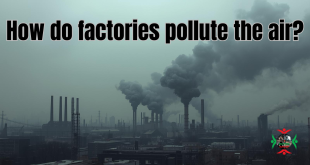
- Fact 3: Most air pollution is human-made. Key sources include vehicle emissions, industrial processes, and the burning of fossil fuels for electricity and heat. These activities release harmful substances like particulate matter, nitrogen dioxide, and sulfur dioxide.
Water Pollution Effects
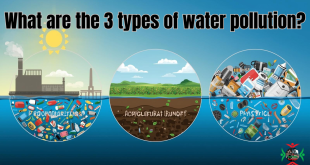
Water pollution occurs when harmful substances contaminate a stream, river, lake, ocean, or other body of water, degrading water quality and rendering it toxic to humans or the environment.
- Fact 4: Our oceans are choking on plastic. It is estimated that 8 million metric tons of plastic enter our oceans each year. This plastic waste harms marine life, which can mistake it for food or become entangled in it.
- Fact 5: Agriculture is a major source of water contamination. Runoff from farms often contains pesticides, fertilizers, and animal waste. These pollutants can lead to the formation of “dead zones” in coastal areas, where oxygen levels are too low to support aquatic life.
- Fact 6: Unsafe water is a major global health risk. The WHO estimates that at least 2 billion people use a drinking water source contaminated with feces, leading to diseases like cholera, typhoid, and dysentery.
Land Pollution Facts
Land pollution is the degradation of Earth’s land surfaces often caused by human activities and their misuse of land resources.
- Fact 7: We produce billions of tons of solid waste annually. Globally, we generate over 2 billion tons of municipal solid waste each year, with at least 33% of that not managed in an environmentally safe manner.
- Fact 8: Deforestation is destroying vital ecosystems. Every year, the world loses about 10 million hectares of forest—an area roughly the size of Iceland. This not only destroys habitats but also reduces the planet’s ability to absorb CO2.
- Fact 9: Soil contamination can poison our food. Industrial chemicals, heavy metals, and pesticides can seep into the soil, contaminating crops and entering our food chain, posing risks to human health.
The Widespread Effects of Pollution
The consequences of unchecked pollution are far-reaching, affecting everything from global climate patterns to individual human health. Understanding these impacts highlights the urgency of addressing the problem.
Environmental Impact
- Fact 10: Pollution is a key driver of climate change. The burning of fossil fuels releases greenhouse gases like carbon dioxide and methane, which trap heat in the atmosphere and lead to rising global temperatures, more extreme weather events, and rising sea levels.
- Fact 11: Biodiversity is rapidly declining. Pollution contaminates habitats and food sources, pushing countless species toward extinction. The Intergovernmental Science-Policy Platform on Biodiversity and Ecosystem Services (IPBES) reports that around 1 million animal and plant species are now threatened with extinction.
Human Health Impact
- Fact 12: Air pollution causes serious respiratory issues. Exposure to fine particulate matter (PM2.5) can penetrate deep into the lungs and bloodstream, causing diseases like asthma, bronchitis, and lung cancer.
- Fact 13: Pollutants increase cancer risks. Carcinogenic substances found in polluted air, water, and soil, such as benzene and asbestos, have been directly linked to an increased risk of developing various forms of cancer.
- Fact 14: Contaminants can have neurological effects. Heavy metals like lead and mercury, often found in industrial pollution, can cause severe neurological damage, particularly in children, leading to developmental delays and cognitive impairments.
Practical Pollution Solutions
While these facts about pollution are sobering, they are not a cause for despair. There are many effective solutions available, ranging from individual actions to large-scale technological innovations.
Individual Actions
Every person can make a difference. Simple lifestyle changes, when adopted by many, can have a significant collective impact.
- Reduce, Reuse, Recycle: Minimize consumption, choose reusable products over single-use items, and properly recycle waste.
- Conserve Energy: Turn off lights when not in use, use energy-efficient appliances, and reduce your reliance on heating and air conditioning.
- Choose Sustainable Transportation: Walk, bike, or use public transport whenever possible to reduce your carbon footprint.
Government Policies
Strong government action is essential for creating a framework that encourages sustainability and holds polluters accountable.
- Environmental Regulations: Enforcing strict limits on industrial emissions and waste discharge can drastically reduce pollution levels.
- Carbon Pricing: Implementing carbon taxes or cap-and-trade systems creates financial incentives for companies to reduce their greenhouse gas emissions.
- Investment in Renewables: Governments can accelerate the transition to a green economy by investing in renewable energy sources like solar, wind, and geothermal power.
Technological Innovations
Technology offers powerful tools for combating pollution.
- Carbon Capture: Technologies that capture CO2 emissions from power plants and industrial facilities can prevent greenhouse gases from entering the atmosphere.
- Advanced Waste Management: Innovations in recycling and waste-to-energy technologies can reduce the amount of waste sent to landfills.
- Sustainable Agriculture: Practices like precision farming and organic agriculture can reduce the use of chemical fertilizers and pesticides, protecting our soil and water.
A Success Story: The Montreal Protocol
It’s important to remember that collective action can lead to incredible success. The Montreal Protocol, an international treaty signed in 1987, is a prime example.
- Fact 15: We have successfully healed part of our atmosphere. Scientists discovered that certain chemicals (CFCs) were depleting the ozone layer, which protects Earth from harmful ultraviolet radiation. Through the Montreal Protocol, nations agreed to phase out these chemicals. Today, the ozone layer is healing and is expected to recover fully by the mid-21st century. This success story proves that global cooperation can solve major environmental crises.
Building a Cleaner Future Together
The facts about pollution paint a clear picture: our planet and our health are at risk. But they also show that we have the knowledge and the tools to make a change. From the small choices we make every day to the large-scale policies and technologies we can implement, the path to a cleaner, more sustainable future is within our reach. The success of the Montreal Protocol demonstrates that when we act together, we can overcome even the most daunting environmental challenges. It’s time to apply that same determination to the broader pollution crisis.